
Scientists have recently discovered a group of remarkable microbes with the ability to digest carbon dioxide (CO₂) and convert it into usable fuel. This groundbreaking research could play a crucial role in addressing climate change by reducing greenhouse gas levels and providing a sustainable energy source. Let’s delve into the details of this discovery and its potential implications for the future.
The Discovery of CO₂-Digesting Microbes

The discovery of CO₂-digesting microbes has sparked significant interest in the scientific community. Researchers have identified specific types of bacteria and archaea capable of converting CO₂ into fuel through a series of complex biochemical processes. These microbes utilize specialized enzymes that catalyze reactions, effectively transforming carbon dioxide into hydrocarbons that serve as a viable energy source.
The research process involved isolating these organisms from extreme environments, such as deep-sea vents and salt flats, where they naturally thrive in conditions high in carbon dioxide. Researchers conducted numerous experiments to understand the precise mechanisms these microbes employ. One such mechanism involves the utilization of enzymes like rubisco, which is well-known for its role in photosynthesis and is now being studied for its ability to facilitate the conversion of CO₂ into organic compounds.
Historically, the concept of microbial CO₂ conversion is not entirely new. Prior studies have explored carbon-capturing bacteria and archaea, but the recent findings mark a significant leap forward. For instance, past research has demonstrated the ability of certain microbes to fix carbon, but converting it into usable fuel was a challenging frontier. This discovery builds upon previous scientific knowledge, providing a more comprehensive understanding of microbial capabilities. The current findings have opened new avenues for research, potentially leading to breakthroughs in sustainable energy solutions.
Potential Impact on Climate Change Mitigation

The ability of these microbes to reduce atmospheric CO₂ levels holds immense potential for mitigating climate change. By converting CO₂ into fuel, these organisms could significantly lower the global carbon footprint. This process offers a promising alternative to traditional carbon capture technologies, which often involve expensive and energy-intensive processes. Microbial CO₂ conversion may provide a more efficient and lower-cost solution, potentially transforming how we approach carbon management.
Moreover, integrating microbial fuel production into existing energy infrastructures could contribute to sustainable energy solutions. As fossil fuels continue to deplete and their environmental impact becomes increasingly untenable, the prospect of replacing them with microbe-derived fuel is highly attractive. Economic benefits could include reduced reliance on imported energy and the creation of new industries focused on biofuel production. Environmentally, this shift could lead to a significant reduction in greenhouse gas emissions, helping to combat global warming.
Challenges and Considerations in Implementation

Despite the potential benefits, several challenges and considerations must be addressed before microbial fuel technology can be widely implemented. One of the primary hurdles is scaling up production to meet global energy demands. While laboratory experiments have shown promising results, translating these findings into industrial-scale applications requires significant advancements in technology and infrastructure. Ensuring efficiency, cost-effectiveness, and safety in such applications is crucial for the technology’s success.
Another consideration involves the ethical and ecological impacts of deploying these microbes on a large scale. There is a need to assess the potential impact on natural ecosystems and biodiversity. Introducing a new organism or modifying existing ones could have unforeseen consequences, disrupting ecological balances. Additionally, public concerns and regulatory challenges must be addressed, requiring transparent communication and collaboration among scientists, policymakers, and the public.
Future Research and Development Prospects
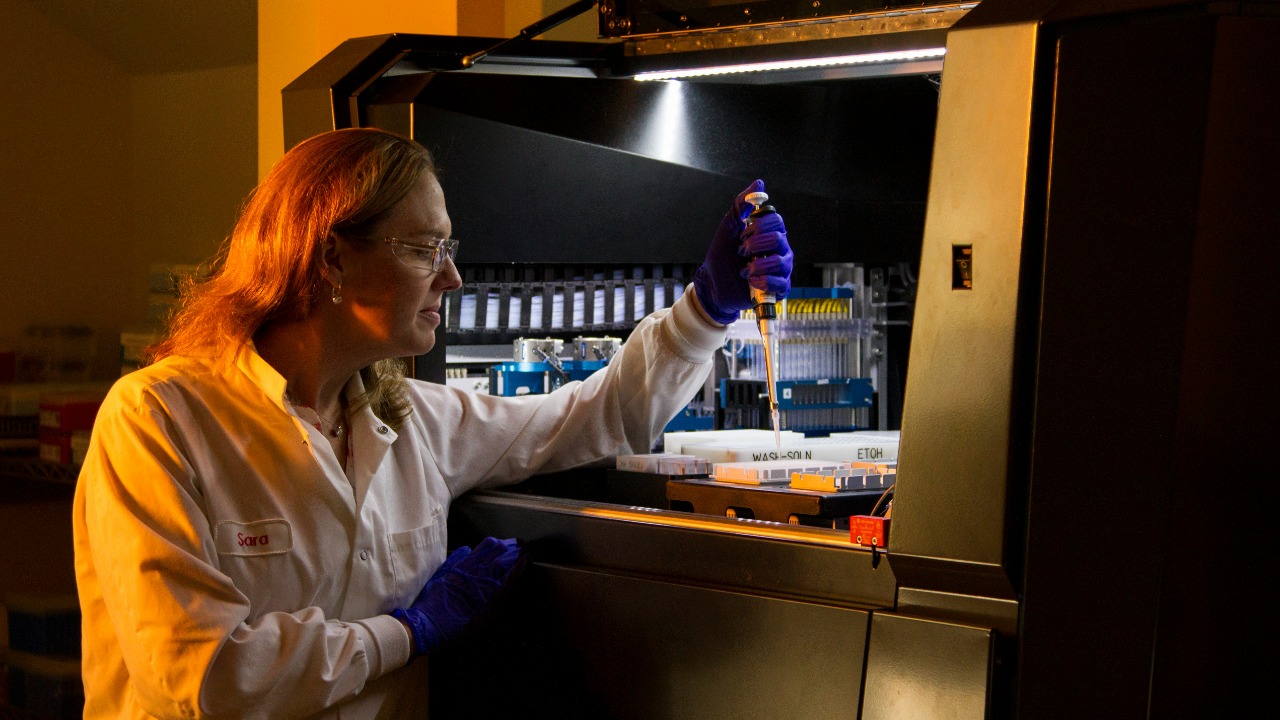
Ongoing studies and technological advancements are crucial for enhancing microbial efficiency in converting CO₂ into fuel. Current projects and collaborations are exploring genetic modification and synthetic biology techniques to optimize these microbes’ performance. For example, researchers are investigating ways to enhance the activity of key enzymes involved in the conversion process, potentially increasing the yield of fuel produced.
The long-term vision for microbial fuel technology includes pathways for commercialization and widespread adoption. Success in this area could revolutionize the energy sector, offering a sustainable and economically viable alternative to fossil fuels. International cooperation will play a vital role in advancing research and deployment efforts, ensuring that the technology is accessible and beneficial to all. Governments, research institutions, and private companies must work together to overcome the challenges and realize the potential of microbial fuel technology.
As we look to the future, the discovery of CO₂-digesting microbes represents a promising step towards a more sustainable world. With continued research and development, these remarkable organisms could become a cornerstone of our efforts to combat climate change and transition to renewable energy sources. The journey from laboratory discovery to global implementation may be complex, but the potential rewards make it a pursuit worth undertaking.