

Recent advancements in material science have led to the development of self-healing smartphone screens, a breakthrough that could revolutionize the way we use and maintain our mobile devices. By employing innovative self-healing polymers, researchers aim to eliminate the common issue of cracked screens, enhancing both durability and sustainability in the tech industry. Delving into the science behind these materials, their potential applications, and the future implications for consumers and manufacturers alike reveals a transformative shift in smartphone technology.
The Science Behind Self-Healing Materials
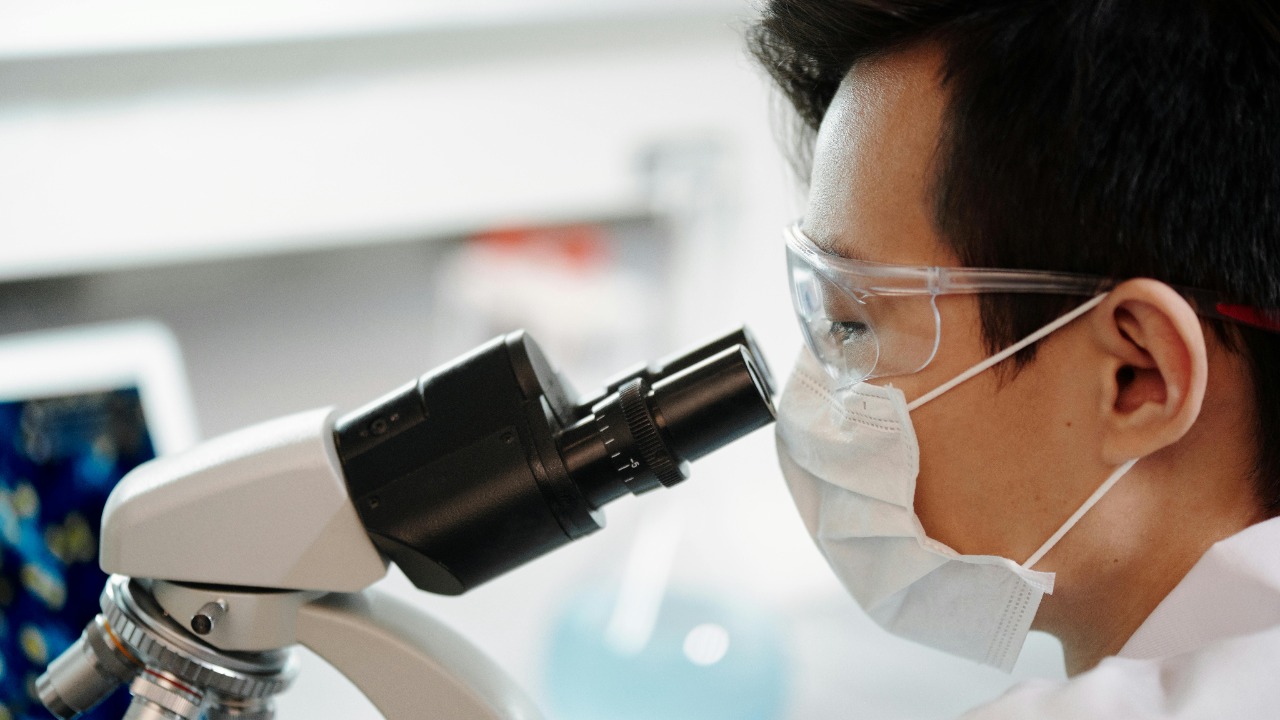
Self-healing polymers are at the heart of this technological advancement, characterized by their unique ability to repair themselves after damage. At a molecular level, these materials are composed of polymer chains that can re-bond after being broken. The magic lies in their chemical composition, where specific bonds—such as hydrogen bonds or dynamic covalent bonds—enable the material to reform and close any cracks or scratches. This self-repair process can occur repeatedly, extending the lifespan of the material significantly.
The development process of these polymers involves a technique called microphase separation. This technique creates distinct regions within the polymer that react differently to stress, allowing the material to absorb impact and repair itself. However, optimizing these materials for commercial use presents challenges. Researchers must ensure that the self-healing process is quick, effective, and unnoticeable to the user. They are also working to ensure that the polymers maintain clarity and do not compromise the visual quality of the screens.
Applications of Self-Healing Technology in Smartphones
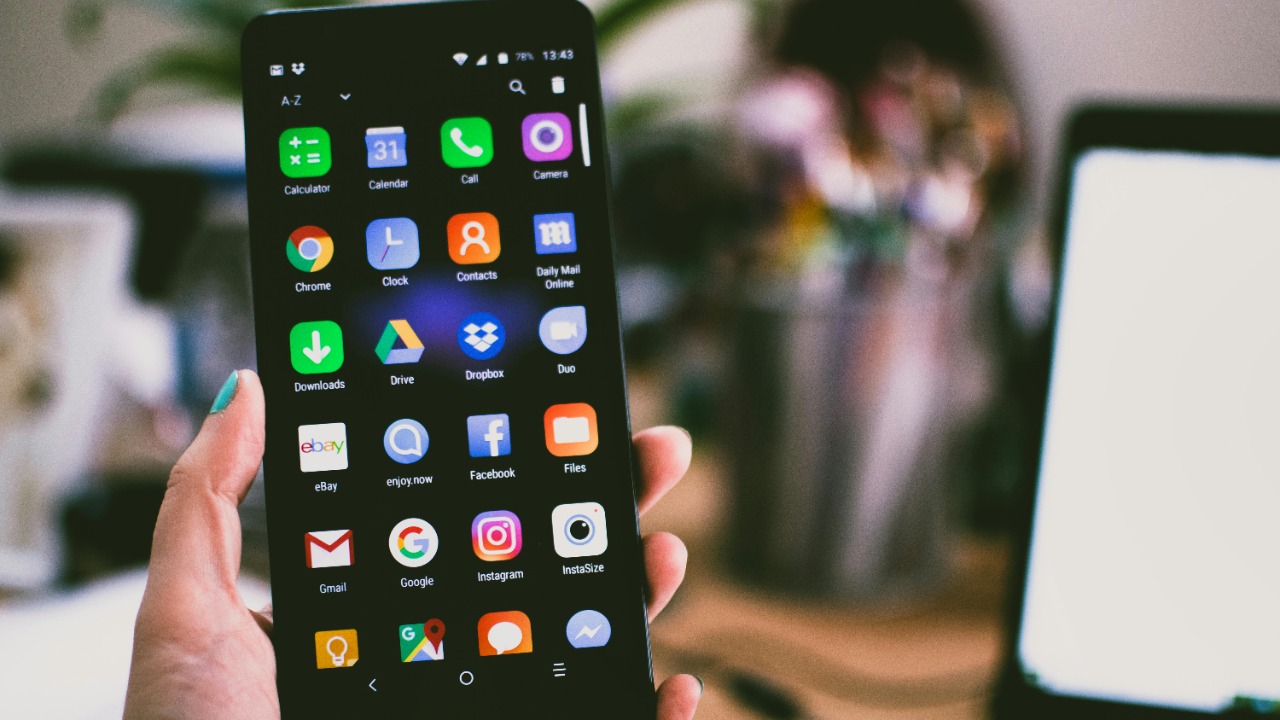
The integration of self-healing screens in smartphones has the potential to transform the industry. With cracked screens being one of the most common smartphone damages, self-healing technology could significantly reduce repair costs and electronic waste. Imagine a future where dropping your phone no longer results in a costly trip to a repair shop. Instead, the screen would simply heal itself, maintaining its original condition without any intervention.
Beyond screens, there is potential for self-healing glass to be used in other smartphone components. For example, camera lenses and back panels could benefit from this technology, offering a comprehensive durability solution. Furthermore, the application of self-healing polymers is not limited to smartphones. Other consumer electronics, such as tablets and laptops, could also incorporate these materials, broadening the scope of their impact on the industry.
Benefits for Consumers and Manufacturers

For consumers, the economic impact of self-healing screens is significant. The cost savings from reduced repairs and extended device longevity are substantial. Additionally, consumers would benefit from the peace of mind knowing that their devices are more resilient to everyday wear and tear. This increased durability could lead to a shift in consumer purchasing behavior, where the longevity of a device becomes a more critical factor in purchasing decisions.
Manufacturers stand to gain considerably from this technology as well. The integration of self-healing materials could result in fewer warranty claims, reducing costs associated with repairs and replacements. Moreover, the enhanced product appeal could give companies a competitive edge in a saturated market. From an environmental perspective, the reduction in electronic waste is a significant advantage. With devices lasting longer and fewer parts needing replacement, the tech industry could move towards a more sustainable future.
Challenges and Limitations
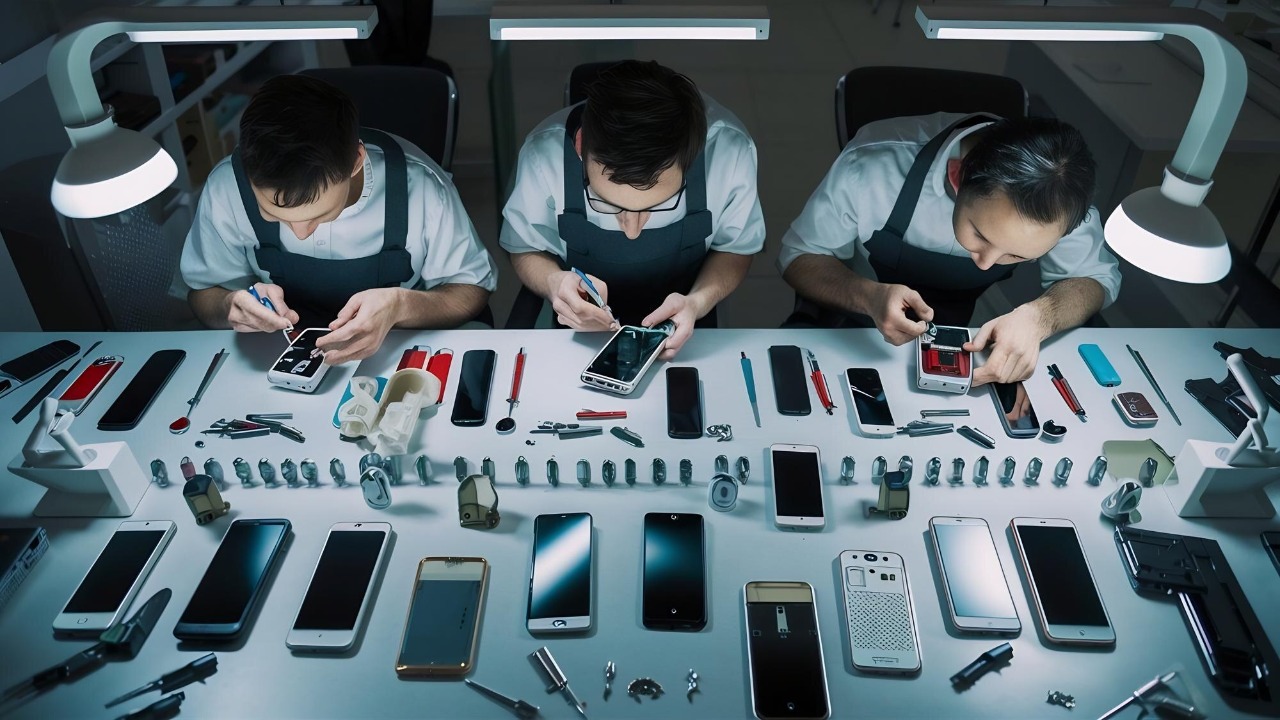
Despite the promising potential of self-healing screens, several technical limitations hinder their widespread adoption. One of the primary challenges is ensuring the durability of these materials under various environmental conditions. Factors such as temperature fluctuations, humidity, and exposure to sunlight can affect the self-healing properties. Researchers are actively working to address these issues, striving to create materials that perform consistently across different scenarios.
The cost implications for manufacturers also pose a challenge. Developing and integrating self-healing materials into existing production lines requires significant investment. This cost could potentially be passed on to consumers, affecting the affordability of devices. Balancing the benefits of self-healing technology with cost-effectiveness is crucial for its successful implementation in the market.
Future Implications and Innovations
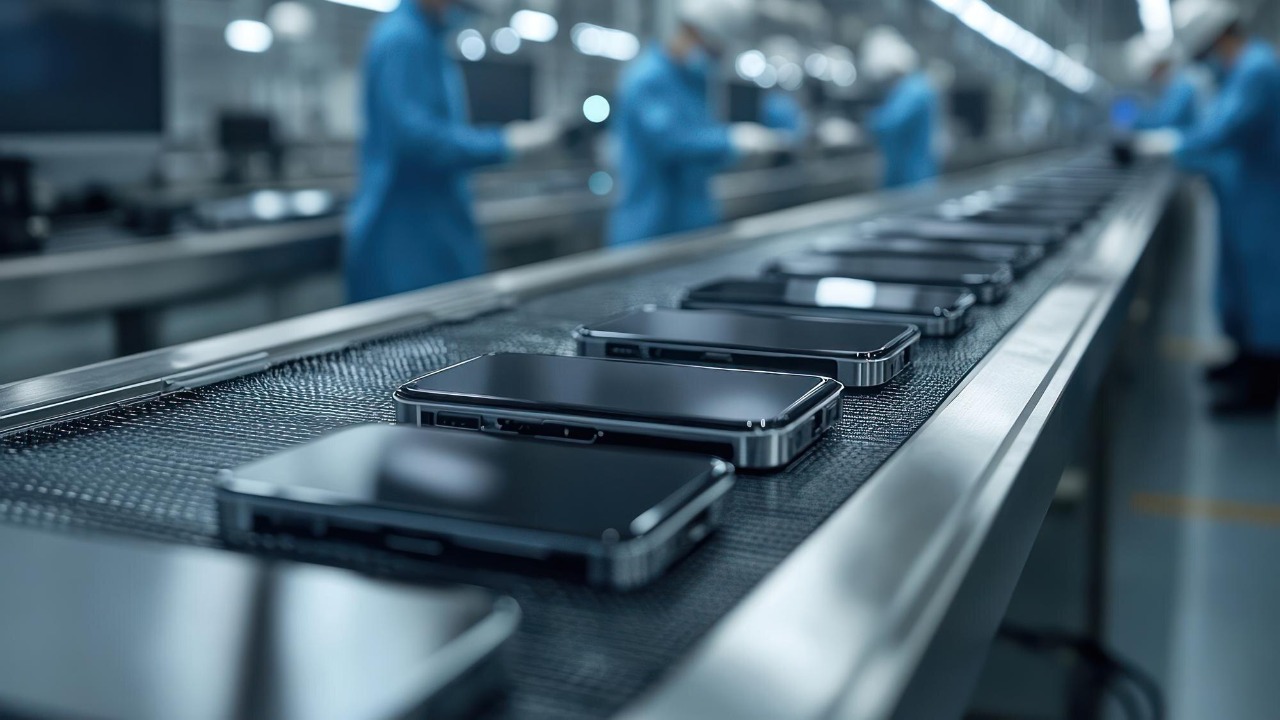
Looking ahead, the integration of self-healing materials could reshape the landscape of mobile technology. As research progresses and these materials become more refined, we can expect further innovations. Concepts like self-repairing batteries or circuits are on the horizon, potentially leading to even more resilient and long-lasting devices. The continued advancement of self-healing technology will likely inspire new applications and industries, expanding its impact beyond consumer electronics.
The role of interdisciplinary collaboration is vital in advancing the field of self-healing materials. By bringing together experts in chemistry, materials science, and engineering, breakthroughs in this area will continue to emerge. As these collaborations deepen, the potential for innovation grows, promising a future where self-healing materials become a standard feature in our everyday devices. For more insights into the ongoing research and development, visit this resource.