
Scientists have detected a powerful radio signal originating from a galaxy 8 billion light-years away, marking a significant milestone in our understanding of the universe. This discovery not only poses new questions about the nature of these mysterious signals but also opens up possibilities for further exploration of the cosmos.
The Discovery of the Radio Signal

Detection and Identification
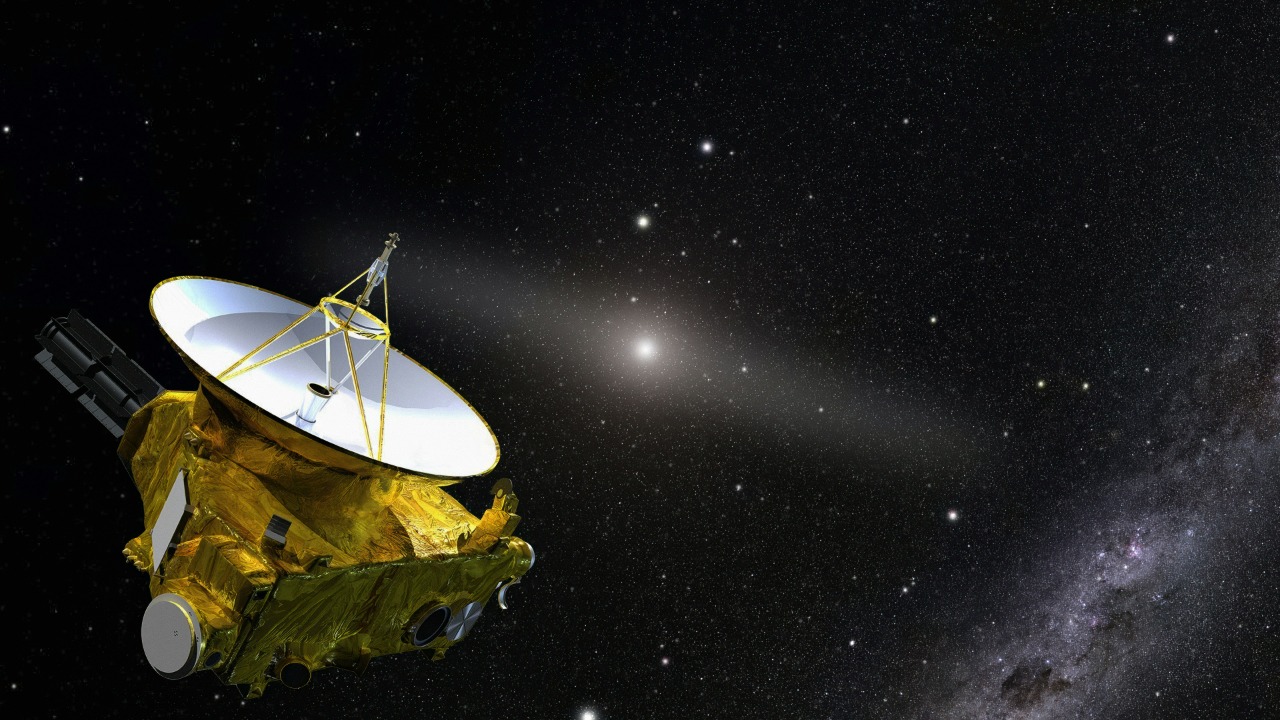
The radio signal in question was first detected by a team of astronomers utilizing some of the most advanced detection instruments available today. The initial detection was made possible by the use of massive radio telescopes that scan the skies for cosmic phenomena. These telescopes are equipped with highly sensitive receivers capable of picking up faint signals that travel across vast cosmic distances.
Once the signal was detected, astronomers embarked on a thorough process of identifying and confirming its source. This involved cross-referencing data from multiple observatories around the world to ensure the signal was not an anomaly or a result of terrestrial interference. The collaborative effort highlights the international nature of contemporary astronomical research, with scientists relying on a network of observatories to provide comprehensive data.
Significance of the Detection
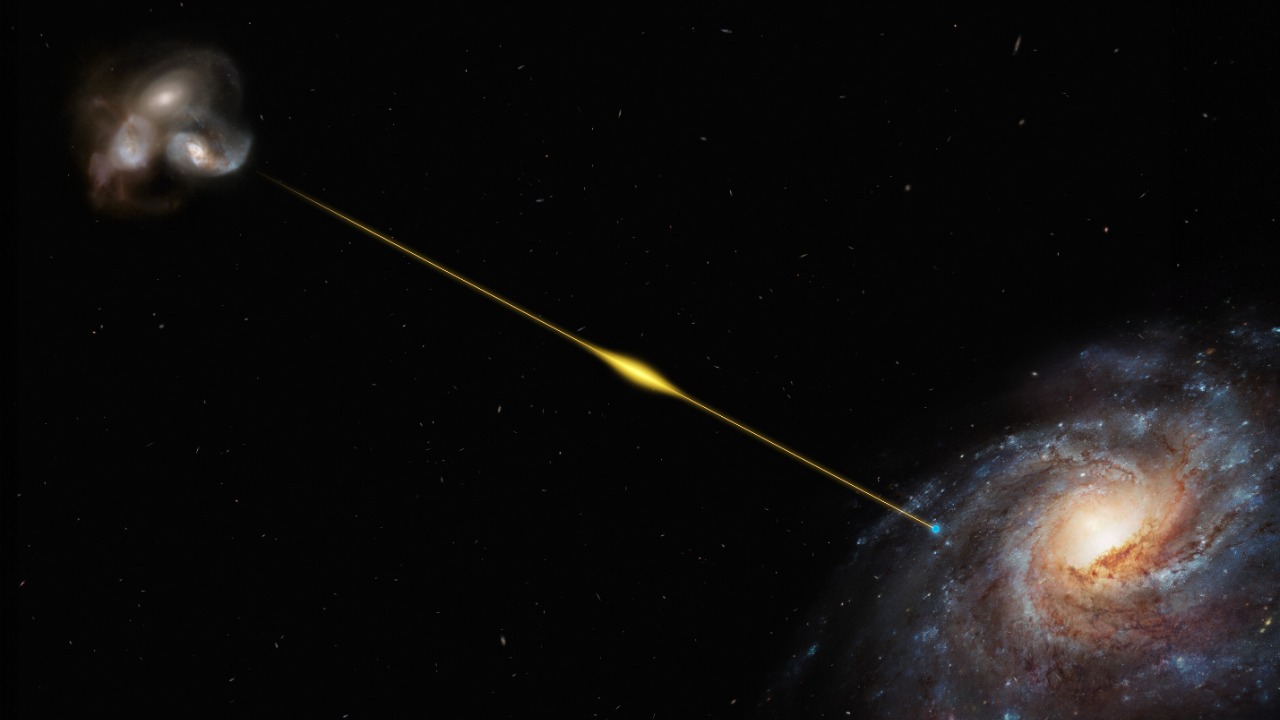
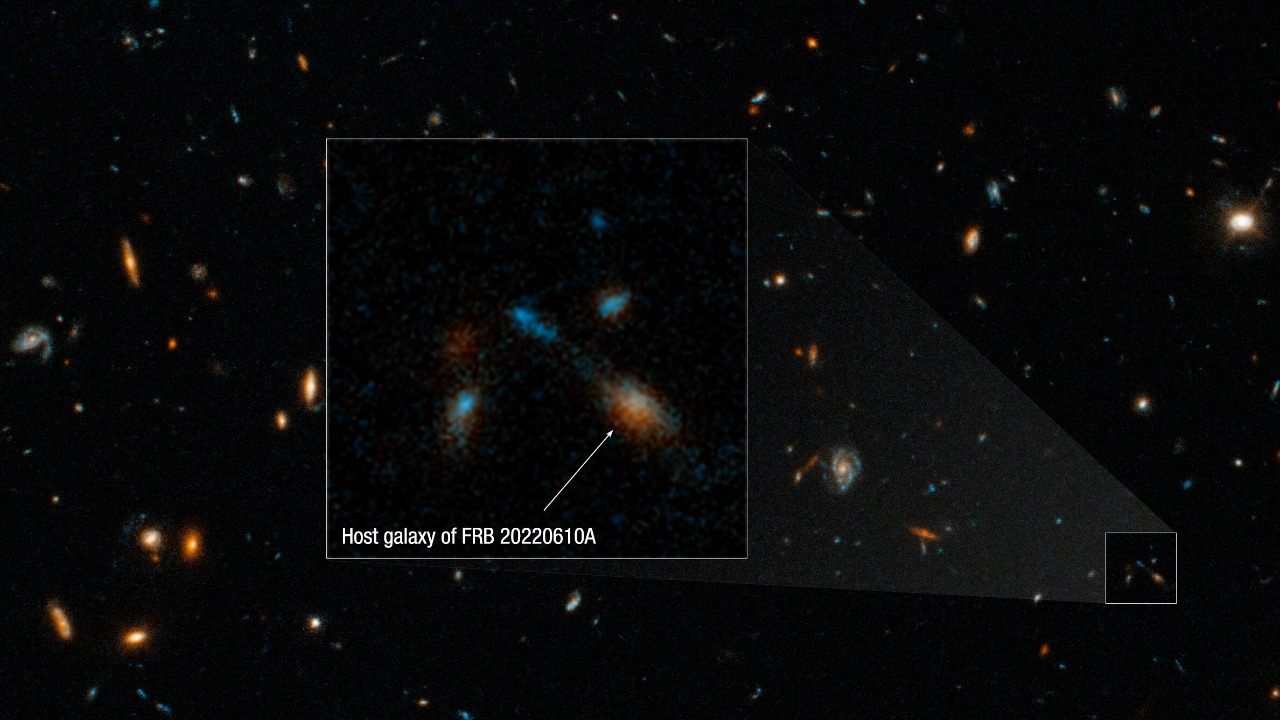
This particular radio signal is noteworthy not only for its distance but also for its intensity. Originating from a galaxy 8 billion light-years away, it represents one of the most distant fast radio bursts (FRBs) ever recorded. The signal’s strength and clarity provide invaluable data to researchers, offering a unique opportunity to study cosmic events from a time when the universe was much younger.
Previous discoveries of FRBs have been significant in their own right, but few have matched the distance and potential insights offered by this latest detection. Comparing it to past detections, this signal stands out due to the sheer volume of information it carries, potentially reshaping our understanding of cosmic phenomena and the early universe.
Understanding Fast Radio Bursts (FRBs)
Nature of Fast Radio Bursts
Fast radio bursts are brief, intense pulses of radio waves that last mere milliseconds, yet their origins and causes remain largely enigmatic. First discovered in 2007, FRBs have since captivated astronomers worldwide due to their mysterious nature. These bursts are characterized by their short duration and high energy, often outshining entire galaxies in an instant.
Current scientific theories propose several potential origins for FRBs, including highly magnetized neutron stars known as magnetars, collisions between neutron stars, and even evaporating black holes. Despite these theories, the true nature of FRBs remains elusive, with each new discovery providing more pieces to the cosmic puzzle.
Challenges in Studying FRBs
The study of FRBs presents numerous challenges, primarily due to their brief and unpredictable nature. Capturing these fleeting signals requires sophisticated technology and a bit of luck, as they can occur at any time from any direction in the sky. Advances in detection technology, such as real-time signal processing and automated alert systems, have significantly enhanced our ability to study these bursts.
Recent technological advancements have also enabled researchers to pinpoint the origins of FRBs with greater accuracy. This has led to breakthroughs in understanding the environments where these signals occur, providing clues about the conditions needed to produce such intense bursts of energy. Collaborative efforts among global observatories have been crucial in advancing our knowledge, allowing scientists to share data and resources in pursuit of unraveling FRBs’ mysteries.
Implications for Astronomy and Cosmology
Insights into the Early Universe
Studying this radio signal offers a unique window into the conditions of the universe 8 billion years ago. As the signal traveled across the cosmos, it encountered various cosmic structures, such as galaxies and interstellar gas, leaving behind a trail of information about these entities. By analyzing the signal, astronomers can infer details about the universe’s past, including the distribution of matter and the nature of cosmic structures.
This information is crucial for refining theories of galaxy formation and evolution, as it provides empirical data on how these structures have changed over billions of years. Understanding the early universe is essential for constructing accurate models of cosmic evolution, and this discovery could play a pivotal role in shaping future research in this field.
Potential for New Discoveries
The detection of this radio signal opens the door to a host of new scientific inquiries. It encourages researchers to explore other distant cosmic phenomena, potentially leading to further groundbreaking discoveries. The insights gained from studying such signals could reveal previously unknown aspects of the universe, prompting a reevaluation of existing cosmological theories.
Moreover, this discovery underscores the importance of continued investment in astronomical research. As scientists strive to uncover the universe’s secrets, the potential for transformative discoveries remains high. Future research and exploration inspired by this finding may lead to unprecedented advancements in our understanding of the cosmos.
Technological and Methodological Advances

Innovations in Detection Technology
The detection of this distant radio signal was made possible by significant innovations in radio astronomy technology. Modern radio telescopes, equipped with advanced receivers and signal processing capabilities, can detect and analyze faint signals from across the universe. These technological advancements have expanded the horizons of what is possible in astronomical research.
Collaborative efforts among global observatories and researchers have also played a crucial role in this discovery. By pooling resources and expertise, scientists can conduct more comprehensive studies and verify findings with greater accuracy. This collaborative approach is essential for tackling the complex challenges posed by the study of distant cosmic signals.
Future of Radio Astronomy
Looking ahead, the future of radio astronomy appears bright, with numerous prospective projects and missions on the horizon. These initiatives aim to further our understanding of cosmic signals and the universe at large. International cooperation and funding will be vital in supporting these endeavors, enabling researchers to push the boundaries of what is known about the cosmos.
By continuing to invest in cutting-edge technology and fostering global collaboration, the field of radio astronomy can make significant strides in uncovering the universe’s mysteries. The detection of this distant radio signal is just one example of the exciting possibilities that lie ahead, as scientists work to expand our cosmic knowledge.
Theories and Speculations

Astrophysical Explanations
Several leading hypotheses exist regarding the origin and purpose of the radio signal, each rooted in astrophysical phenomena. One prominent theory suggests that the signal may have originated from a highly magnetized neutron star, or magnetar, which is capable of producing intense bursts of radio waves. Other explanations point to events such as neutron star mergers or interactions involving black holes.
The precise nature of the signal’s origin remains a topic of ongoing research and debate. By studying the characteristics of the signal, scientists hope to gain insights into the processes that generate such powerful bursts of energy. This research has the potential to enhance our understanding of extreme cosmic phenomena and their role in the broader context of the universe.
Speculative Ideas and Public Fascination
While scientific explanations provide a solid foundation for understanding the radio signal, more speculative theories have also captured the public’s imagination. Some suggest the possibility of extraterrestrial life, proposing that advanced civilizations could be responsible for generating such signals as a form of communication. Although these ideas remain speculative, they highlight the enduring fascination with the possibility of life beyond Earth.
Discoveries like this radio signal have a profound impact on public interest and understanding of space science. They inspire curiosity and wonder, encouraging people to learn more about the universe and humanity’s place within it. As scientists continue to explore the cosmos, the potential for new and exciting discoveries remains limitless, captivating audiences around the world.