
Ford Pinto
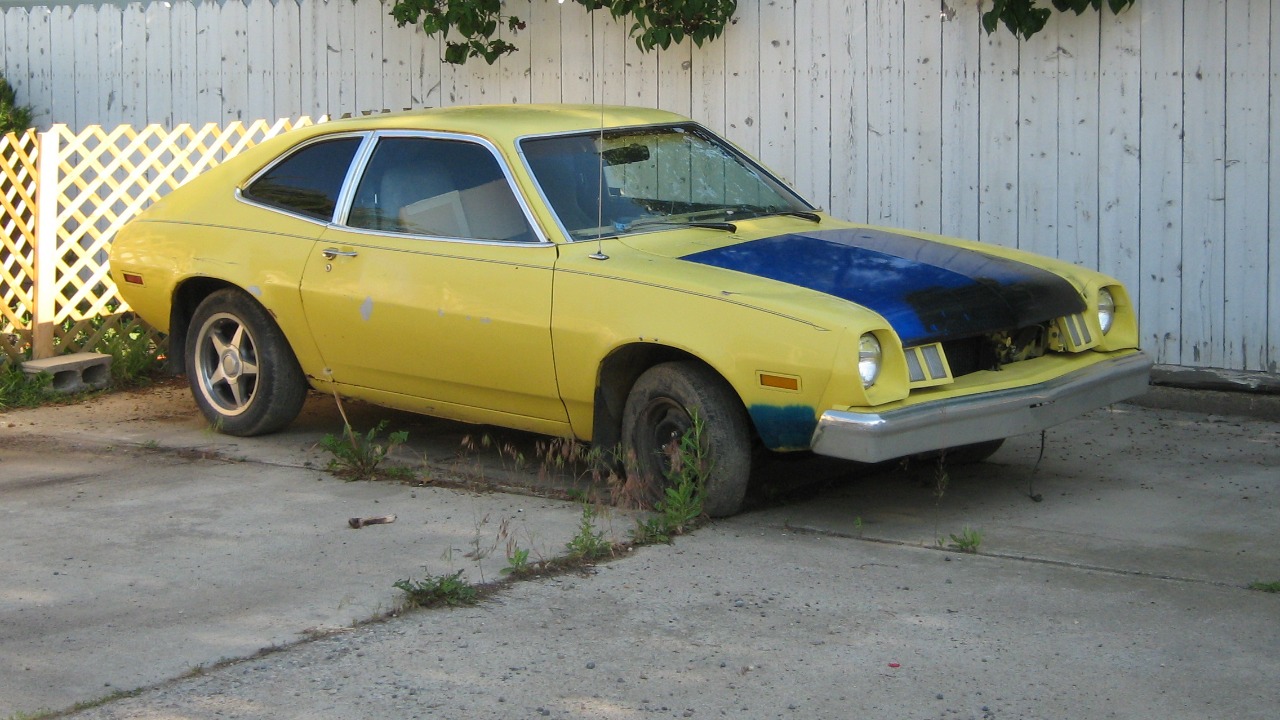
The Ford Pinto is infamous for its rear fuel tank design, which made it susceptible to exploding in rear-end collisions. Although primarily a car, its design flaws set a precedent that influenced truck safety considerations. The placement of the tank behind the rear axle increased the risk of fires, leading to numerous lawsuits and a massive recall.
This tragic flaw highlighted the importance of fuel tank safety and led to significant changes in automotive design and testing procedures. Despite its historical significance, the Pinto remains a cautionary tale in automotive safety.
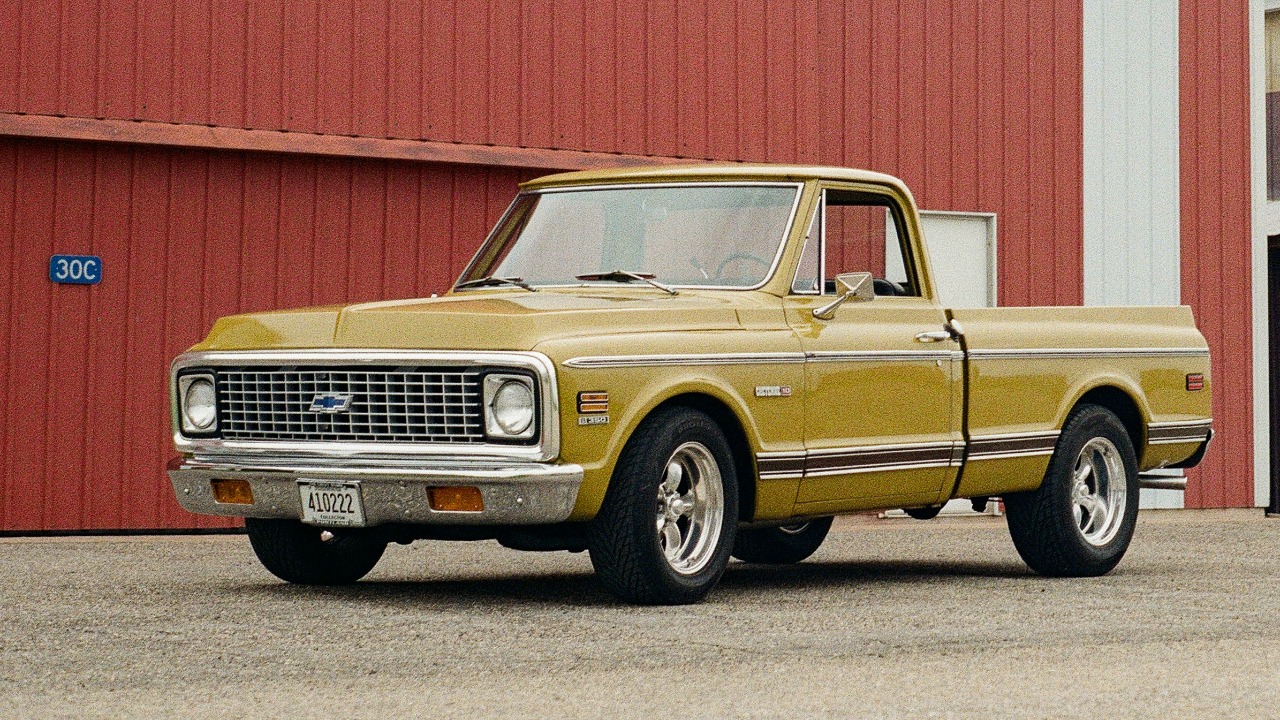
Chevrolet C/K Series
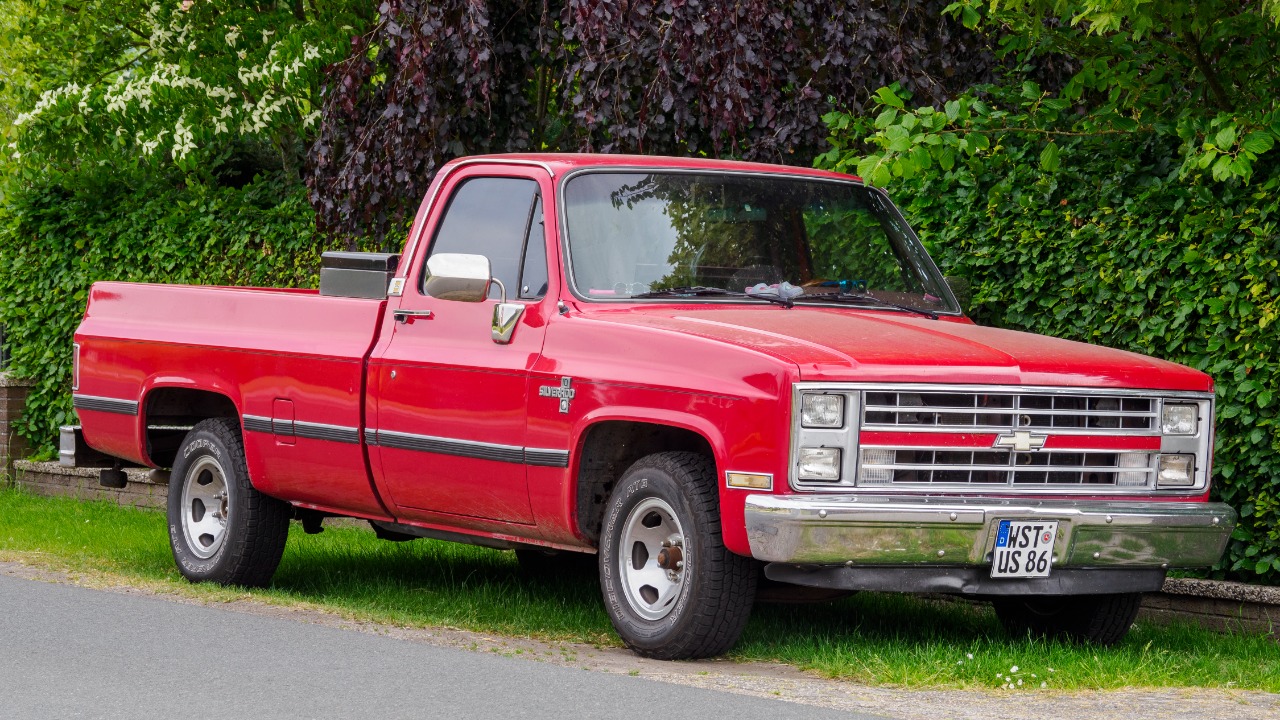
The Chevrolet C/K Series trucks, produced from 1973 to 1987, are notorious for their side-mounted fuel tanks. These “sidesaddle” tanks were placed outside the truck’s frame, making them vulnerable in crashes. The design was linked to numerous accidents and fatalities, prompting consumer safety advocates to call for recalls and redesigns.
Increased public awareness and pressure eventually led to changes in design, but the side-mounted tank remains a well-documented historical defect that continues to affect older models still on the road today.
Jeep Grand Cherokee (1993-2004)

The Jeep Grand Cherokee models from 1993 to 2004 had fuel tanks located behind the rear axle, similar to the Ford Pinto. This design resulted in a higher risk of fires in rear-end collisions. The controversy surrounding this placement led to significant consumer backlash and legal battles.
Despite Jeep’s initial defense of its design, the issue gained widespread attention, leading to a recall to address the danger posed by these tanks. The recall aimed to reduce the risk of fires, although many vehicles may still pose a threat today.
Dodge Ram (1994-2001)
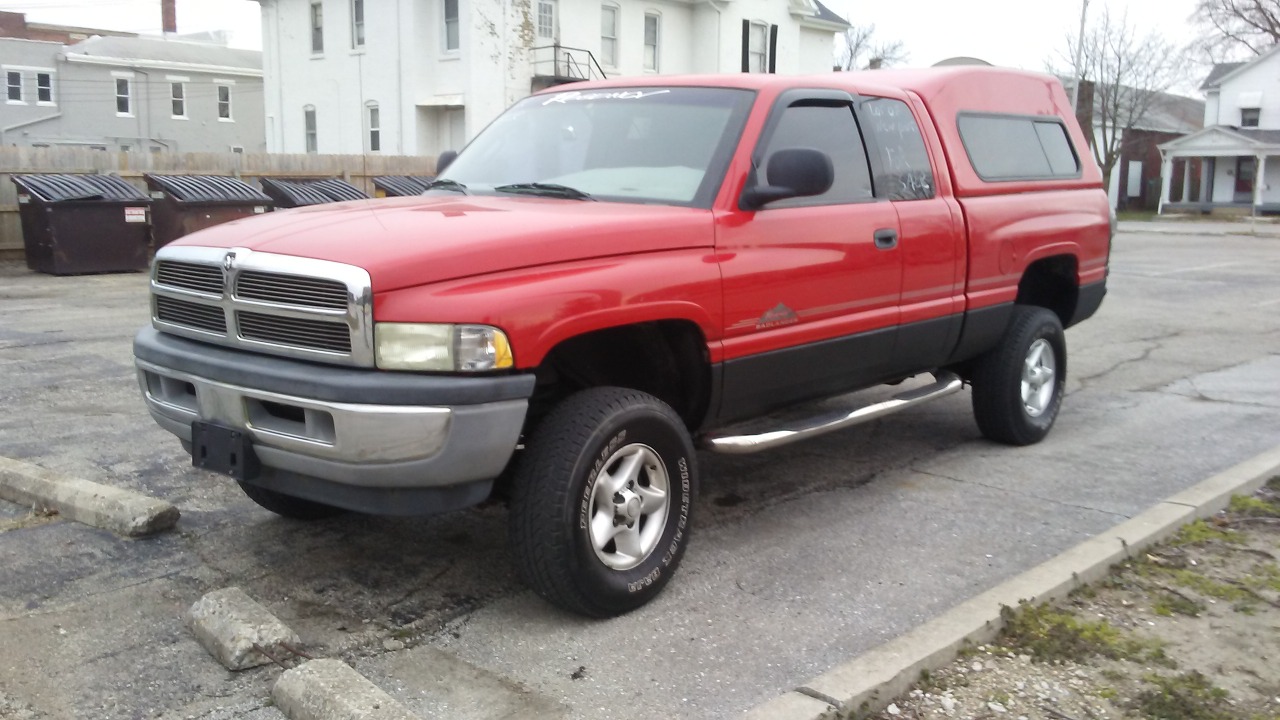
The Dodge Ram from 1994 to 2001 also featured a vulnerable fuel tank placement. Positioned behind the rear axle, these tanks were prone to damage in collisions, increasing the risk of leaks and fires. This design flaw prompted concerns among safety advocates and led to calls for redesigns.
While the model was popular for its robustness and power, its fuel tank placement overshadowed these qualities. The issues highlighted the broader industry trend of prioritizing safety in future truck designs.
GMC Sierra
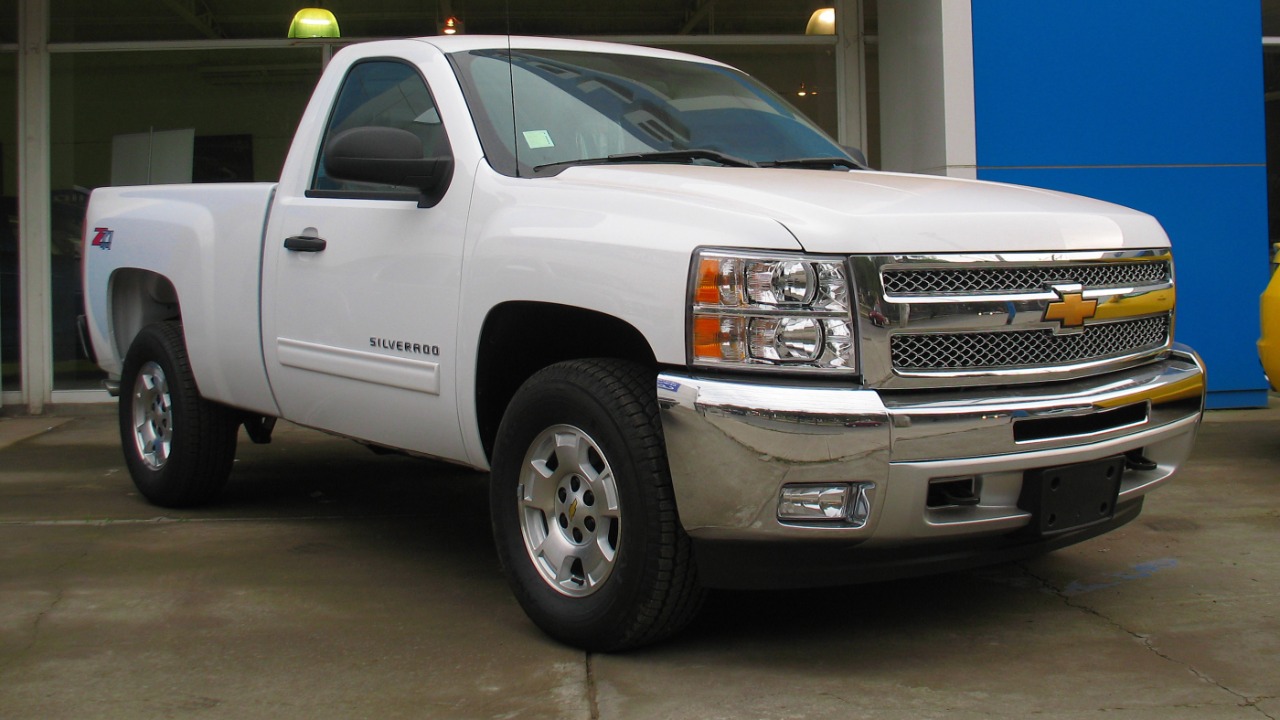
The GMC Sierra, like its Chevrolet C/K counterpart, suffered from the infamous side-mounted fuel tank design. This placement outside the vehicle’s frame exposed the tank to impacts, leading to potential ruptures and fires in accidents.
This design flaw was a topic of significant debate among industry experts and consumers alike. Despite its rugged performance, the Sierra’s fuel tank placement remained a critical safety concern for many years.
Toyota Hilux (1983-1997)
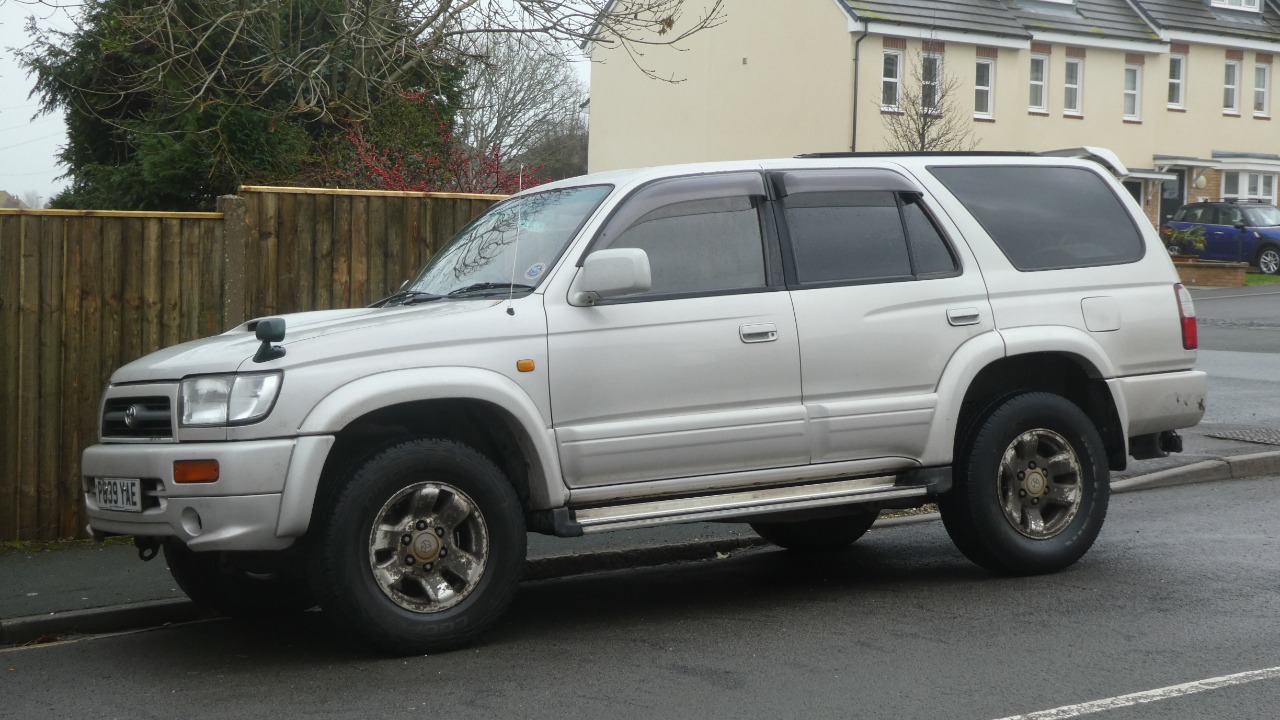
The Toyota Hilux, renowned for its durability, was not immune to fuel tank placement issues. Models produced between 1983 and 1997 had tanks located under the vehicle, susceptible to damage from road debris and collisions. This design raised concerns about potential leaks and subsequent fire risks.
Owners and industry professionals noted the need for better protection and positioning to improve safety. While the Hilux remains a popular choice worldwide, its earlier models serve as a reminder of the importance of strategic fuel tank placement.
Nissan Frontier (1998-2004)
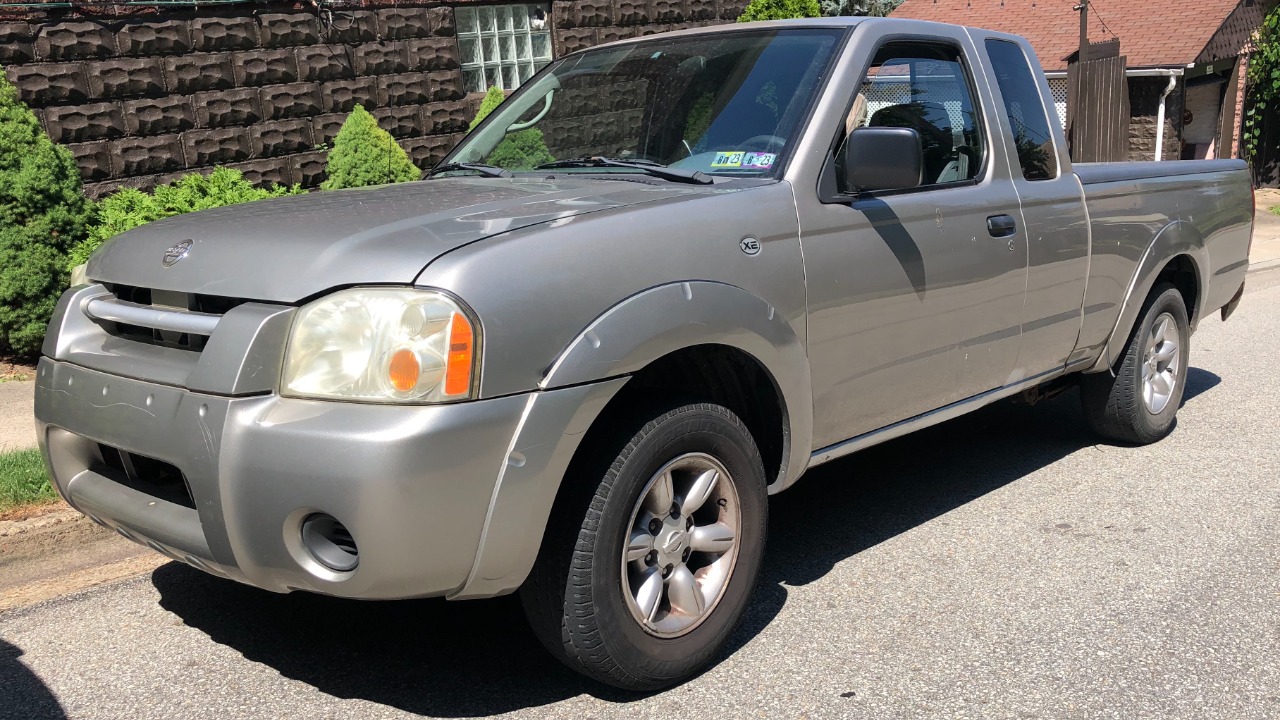
The Nissan Frontier from 1998 to 2004 faced criticism for its rear-mounted fuel tanks. Positioned in a vulnerable spot, these tanks were at risk during rear-end collisions, raising concerns about potential fires.
This issue reflected a broader industry challenge of balancing vehicle design with safety. Despite its reputation for reliability, the Frontier’s fuel tank placement spurred discussions on improving safety features in successive models.
Mitsubishi Triton (1996-2005)
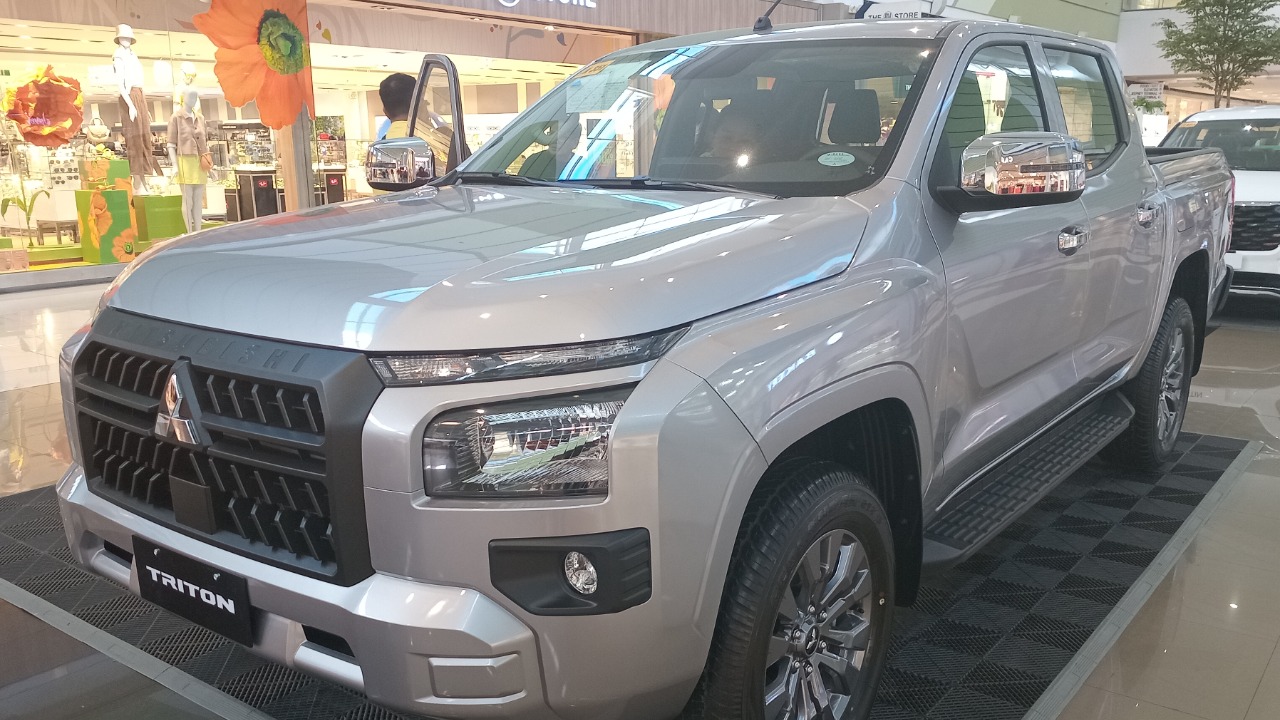
The Mitsubishi Triton, produced between 1996 and 2005, had a fuel tank placement that raised safety concerns. Positioned under the rear seat, the tank was vulnerable to punctures and leaks in certain crash scenarios.
This design choice prompted owners and safety advocates to question its safety, leading to discussions on the importance of secure fuel tank mounting and positioning. While newer models have addressed these concerns, the Triton remains an example of evolving automotive safety standards.