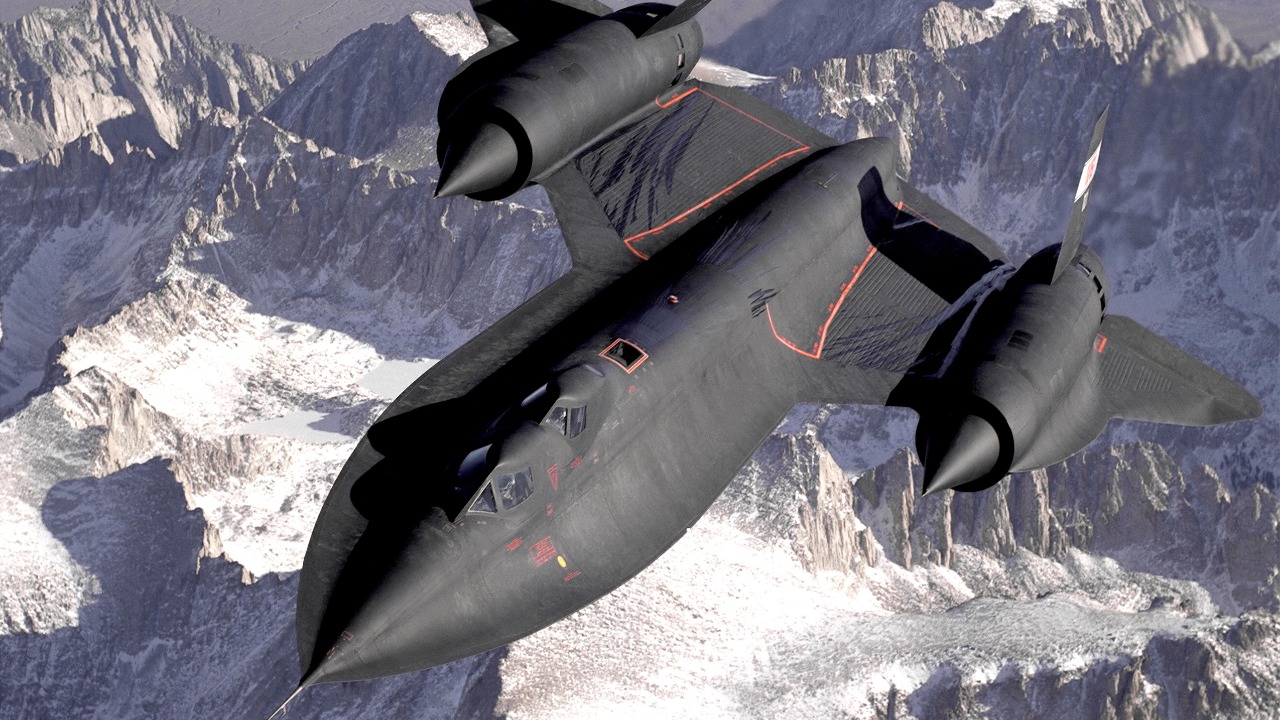

The SR-71 Blackbird, an iconic long-range, advanced, strategic reconnaissance aircraft, was renowned for its unmatched speed and altitude capabilities. Developed by Lockheed’s Skunk Works division, the Blackbird became a symbol of Cold War innovation and technological prowess. It was a marvel of engineering that managed to stay ahead of its time, rendering it untouchable by enemy defenses during its service period.
Engineering Marvels of the Blackbird
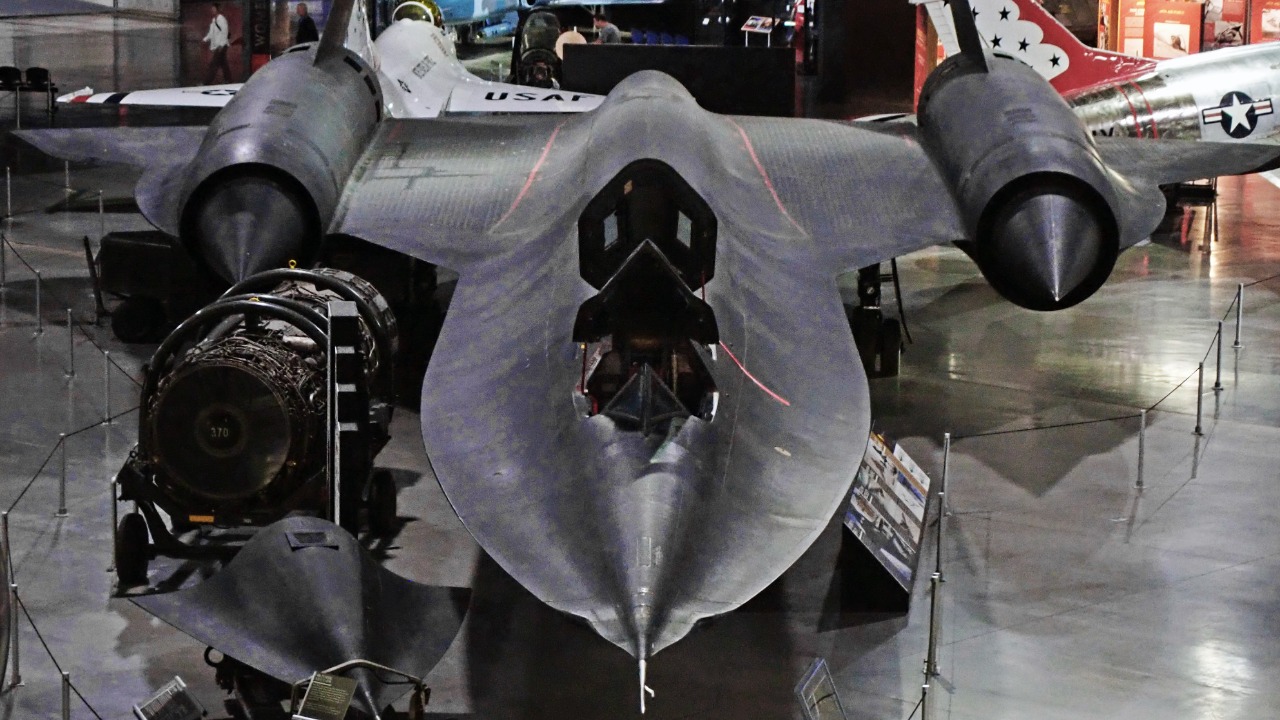
Advanced Aerodynamics and Design
The SR-71’s sleek, futuristic design was not just for aesthetics; it was a crucial component in minimizing drag and maximizing its incredible speed. The aircraft’s structure was a masterpiece, engineered to cope with the extreme stresses and temperatures encountered at high velocities. To achieve this, Lockheed’s engineers used innovative materials, most notably titanium, which was light yet strong enough to withstand the intense heat generated during high-speed flight.
The use of titanium posed its own challenges, as it was difficult to work with and required special tools and techniques for manufacturing. Despite these hurdles, the innovative design and material choices allowed the SR-71 to achieve aerodynamic efficiency that was unmatched by any other aircraft of its time.
Powerful Pratt & Whitney J58 Engines
The heart of the Blackbird’s astonishing performance was its powerful Pratt & Whitney J58 engines. These engines were unlike any other, designed to propel the aircraft at speeds exceeding Mach 3, making the SR-71 the fastest jet-propelled aircraft of its era. The engines’ unique air intakes and afterburner technology were pivotal, allowing for optimal performance even at the high altitudes where the Blackbird operated.
The design of the J58 engines allowed the SR-71 to transition smoothly from subsonic to supersonic speeds. This capability was critical not only for achieving high speeds but also for maintaining the aircraft’s structural integrity and performance at these extreme conditions. The engineering behind these engines remains a significant achievement in the field of aviation.
Unprecedented Speed and Altitude
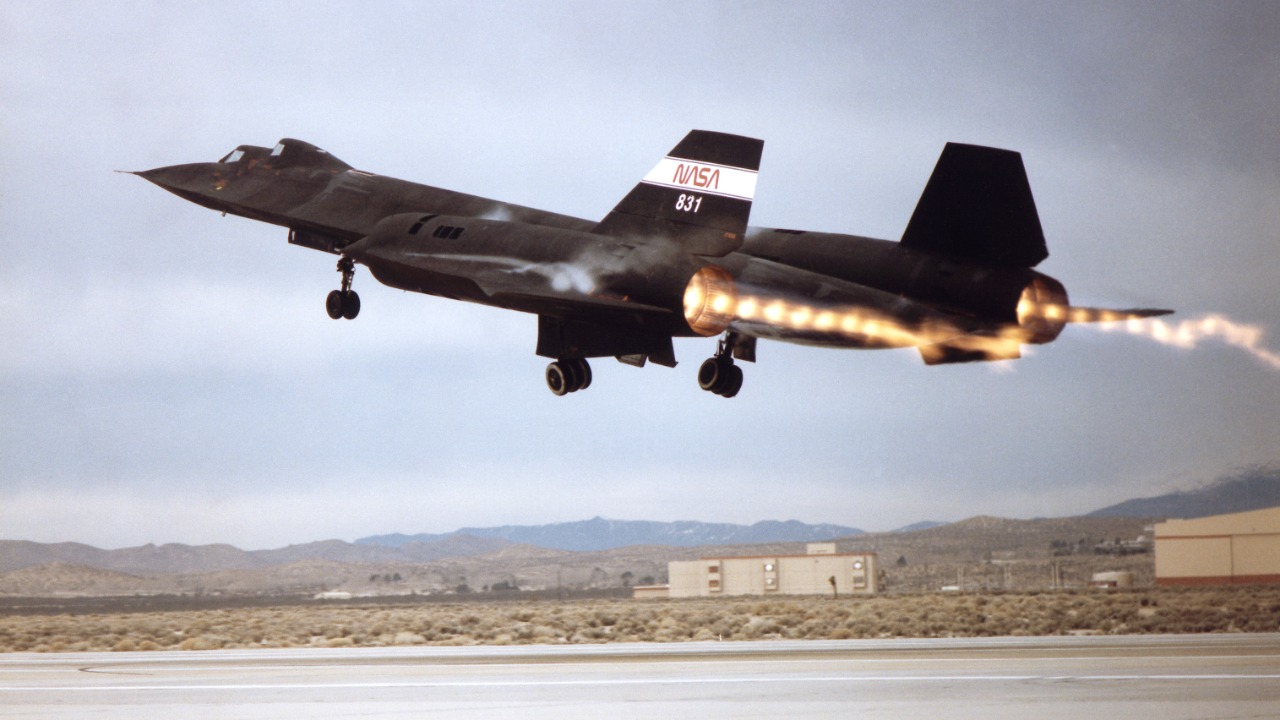
Speed as a Defensive Strategy
One of the SR-71’s most compelling defensive strategies was its speed. Capable of outrunning threats, the Blackbird was nearly invulnerable to interception. This capability allowed the aircraft to gather intelligence swiftly and evade enemy air defenses with ease. The speed of the SR-71 was a vital factor in its ability to complete reconnaissance missions safely, often leaving adversaries unable to react in time.
In an era where speed was life, the SR-71’s ability to operate at over three times the speed of sound gave it a significant tactical advantage. This speed not only ensured the success of its missions but also acted as a deterrent, providing a psychological edge over enemy forces who knew that catching the Blackbird was an impossible task.
Altitude Advantage
In addition to its speed, the SR-71’s ability to operate at altitudes above 85,000 feet provided another layer of defense. Flying higher than most enemy missiles and fighter jets could reach, the Blackbird was often out of harm’s way, reducing the risk of being shot down. This altitude advantage was a critical factor in the aircraft’s untouchability.
Operating at such high altitudes posed its own set of challenges, including maintaining engine performance and pilot safety. However, the SR-71’s design successfully addressed these issues, allowing it to perform its missions with unparalleled effectiveness. The combination of speed and altitude made the Blackbird a formidable tool in the U.S. military’s reconnaissance arsenal.
Technological Innovations and Reconnaissance Capabilities
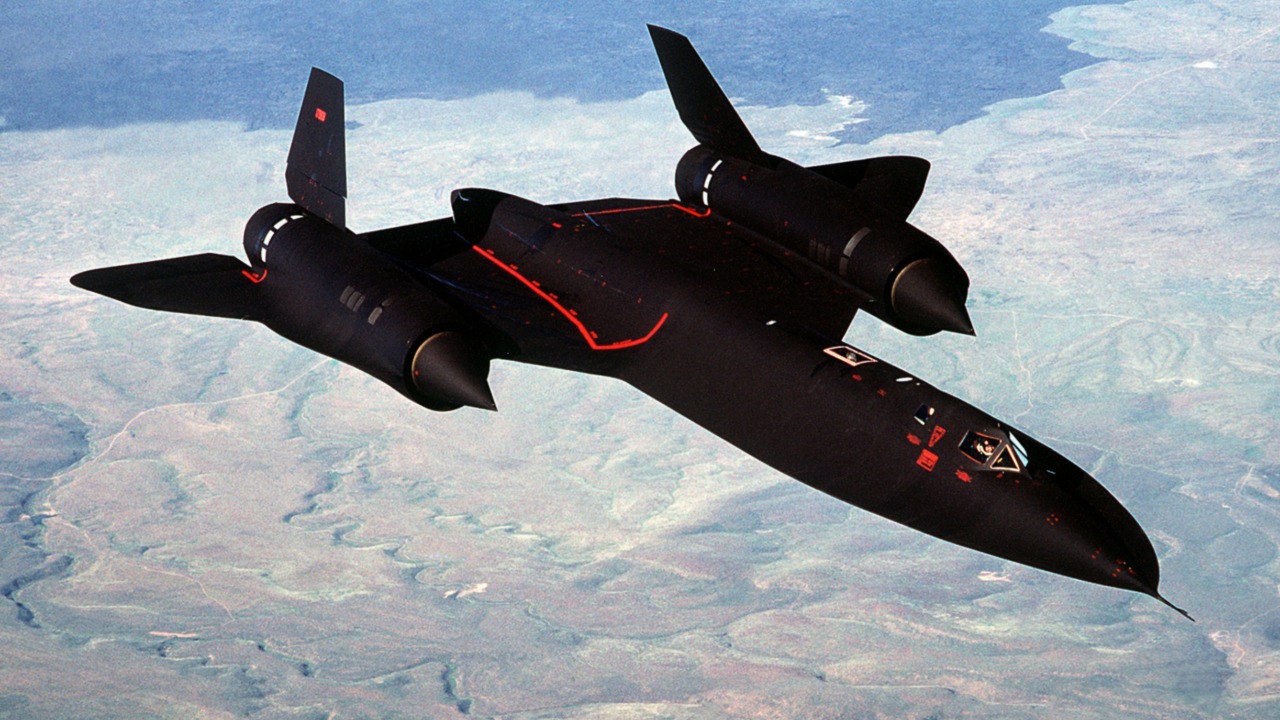
Advanced Sensor and Camera Systems
The SR-71 was outfitted with cutting-edge reconnaissance technology, enabling it to gather detailed photographic and electronic intelligence. Its sensor and camera systems were designed to capture high-resolution images over vast territories in a single mission. These capabilities were essential for providing valuable intelligence during the Cold War.
The aircraft’s technology allowed it to perform a variety of reconnaissance tasks, from mapping terrain to monitoring enemy movements. The intelligence gathered by the SR-71 was vital for informing military and political decisions, making it an invaluable asset in the U.S. intelligence community.
Real-Time Data Transmission
Another significant innovation was the SR-71’s ability to transmit data in near-real-time. The aircraft’s data links allowed intelligence to be relayed back to bases quickly, enhancing decision-making capabilities. This technological edge was crucial during high-stakes Cold War missions, where timely information could mean the difference between success and failure.
The ability to transmit data in real-time was a revolutionary feature that set the SR-71 apart from other reconnaissance aircraft of its time. It provided the U.S. military with a significant advantage, allowing for rapid response and adaptation to emerging threats.
Operational Legacy and Influence on Future Aviation
Impact on Cold War Strategy
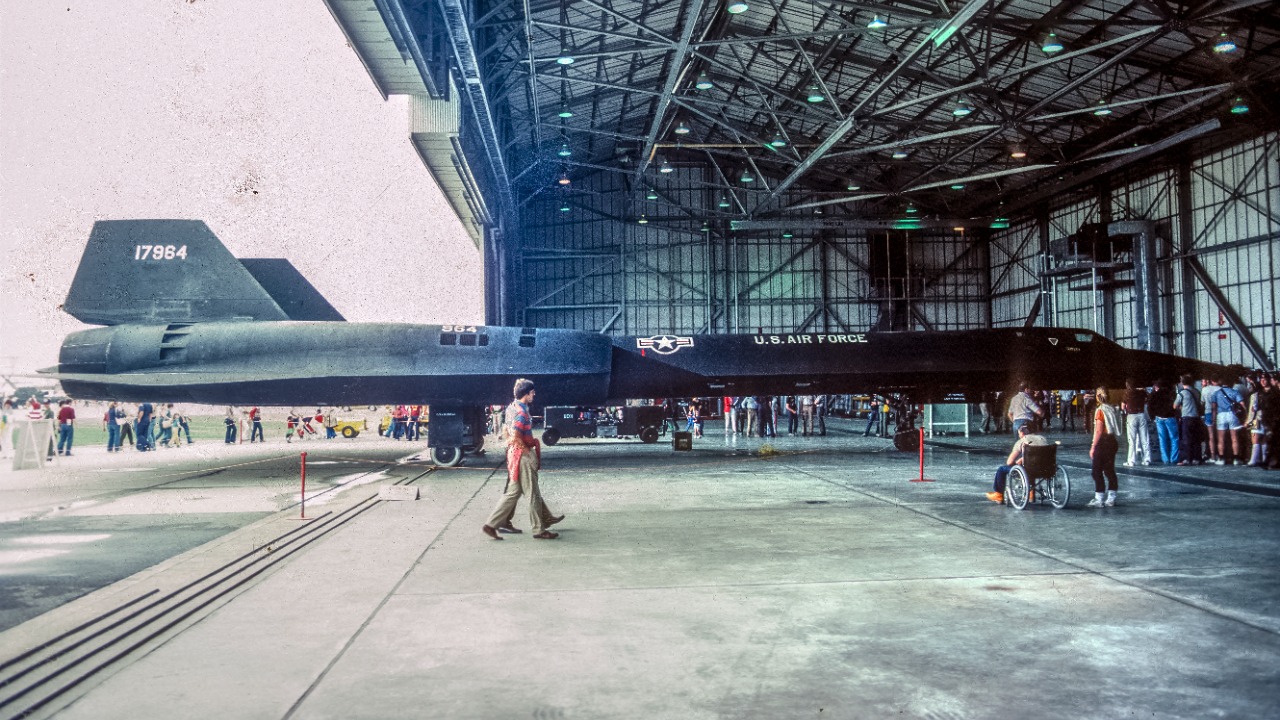
The SR-71 played a pivotal role in U.S. intelligence operations, shaping military and political strategies during the Cold War. Its presence acted as a deterrent to adversaries, showcasing American technological superiority. The intelligence gathered by the Blackbird was instrumental in informing critical decisions and maintaining a strategic advantage over potential threats.
The aircraft’s impact on Cold War strategy cannot be overstated. It provided the U.S. with a unique capability to monitor enemy activities and gather intelligence without putting pilots at significant risk. This capability was a key factor in maintaining the balance of power during a tense period in global history.
Inspiration for Modern Hypersonic Projects
The legacy of the Blackbird continues to influence the development of next-generation aircraft, such as the potential SR-72 hypersonic bomber. The lessons learned from the SR-71’s design and operation inform current aerospace engineering practices, providing valuable insights for the development of future hypersonic technologies.
The SR-71’s influence extends beyond its own era, inspiring engineers and designers to push the boundaries of what is possible in aviation. Its legacy lives on in modern aerospace projects, as the pursuit of speed and altitude continues to drive innovation in the field.
The Iconic Status of the SR-71 Blackbird
Cultural and Historical Significance
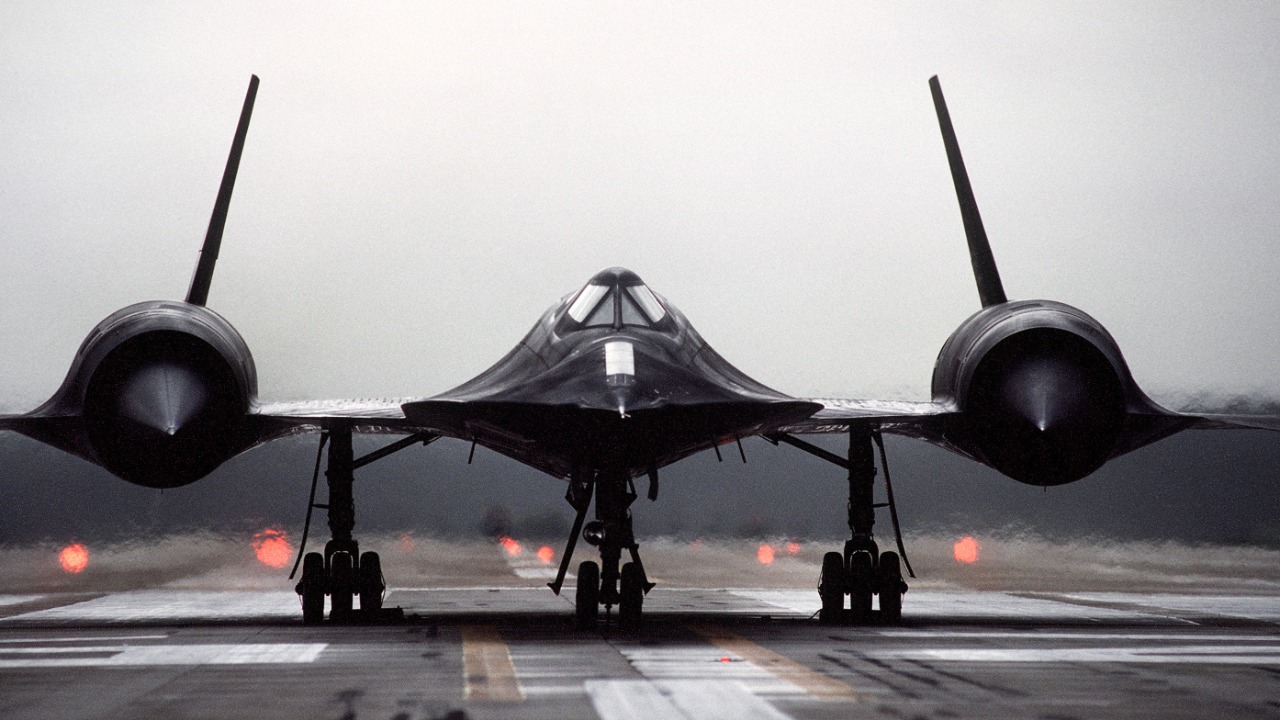
The Blackbird remains a symbol of innovation and excellence in aviation history, celebrated in museums and by aviation enthusiasts worldwide. Its story and accomplishments continue to captivate the imagination of engineers, pilots, and historians alike. The aircraft’s iconic status is a testament to its remarkable capabilities and the enduring impact it has had on the field of aviation.
From its role in Cold War reconnaissance missions to its influence on modern aerospace projects, the SR-71’s legacy is firmly cemented in history. It serves as a reminder of what can be achieved through innovation and determination, inspiring future generations to reach for the skies.
Tributes to the “Sled Drivers”
The pilots, known as “Sled Drivers,” who flew the SR-71, are honored for their skill and bravery in operating such a formidable machine. Their experiences and stories contribute to the enduring mystique of the Blackbird. These pilots were not only highly skilled aviators but also pioneers in the field of high-speed flight, pushing the boundaries of what was possible at the time.
Tributes to these pilots are numerous, with many sharing their experiences and reflections on flying the legendary aircraft. Their stories are a testament to the human element that was critical to the SR-71’s success, highlighting the courage and expertise required to operate one of the most advanced aircraft ever built.
The legacy of the SR-71 Blackbird is not just in its technological achievements but also in the people who made it possible. From the engineers who designed it to the pilots who flew it, the Blackbird’s story is one of innovation, courage, and a relentless pursuit of excellence.