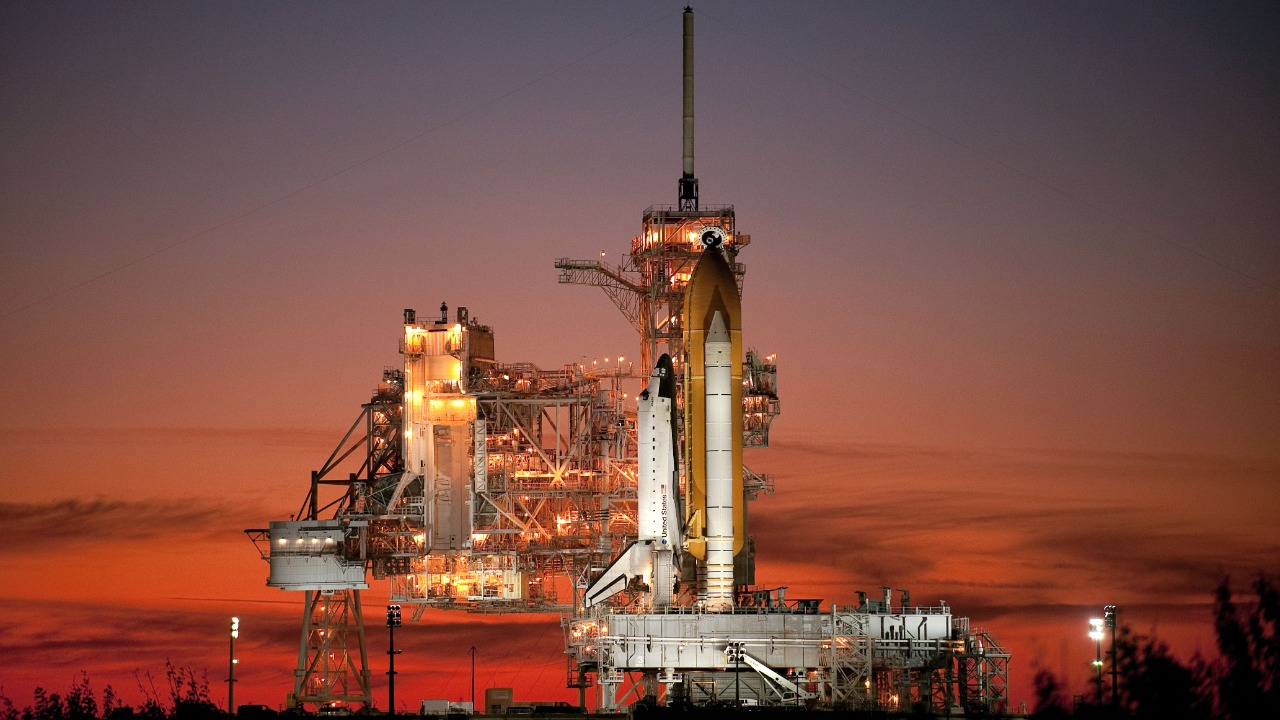

Recent advancements in aerospace engineering have introduced an innovative engine design capable of potentially replacing conventional rockets. This breakthrough has significant implications for the future of space exploration, promising more efficient and environmentally friendly space travel.
The Evolution of Rocket Technology
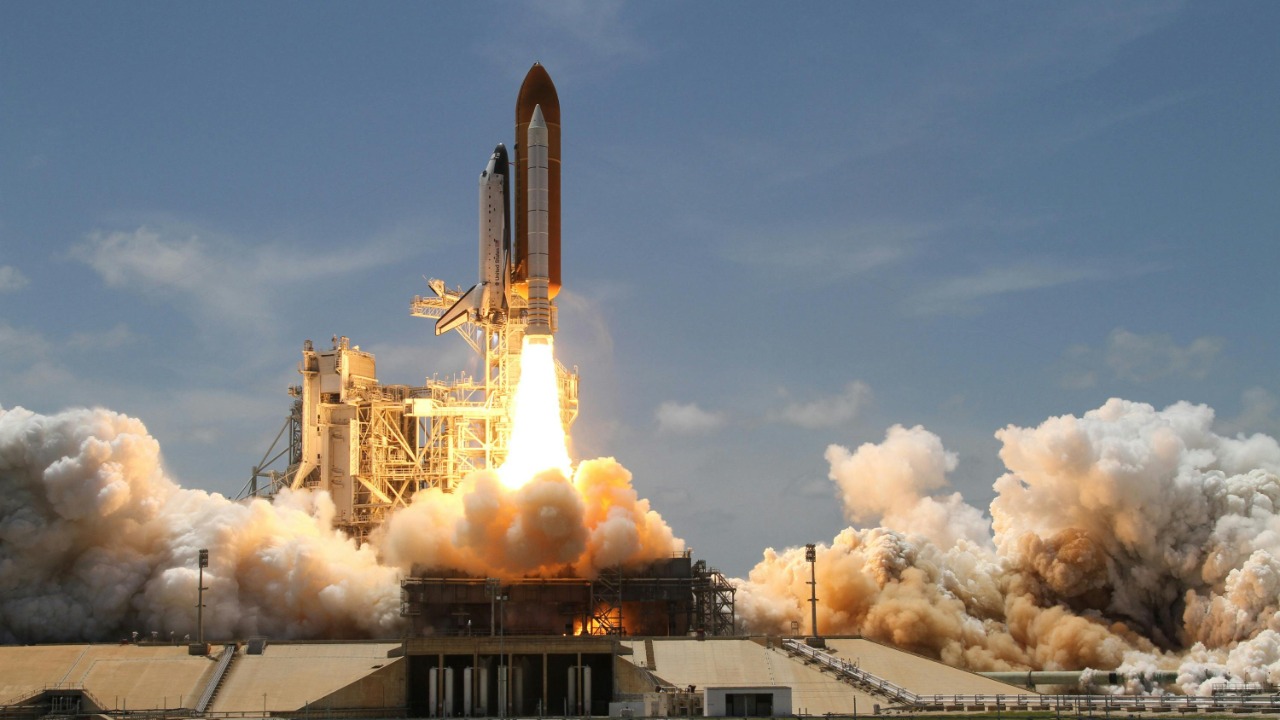
The journey of rocket propulsion technology is a testament to human ingenuity and ambition. From ancient Chinese fire arrows to the monumental Saturn V rockets of the Apollo era, each advancement has propelled humanity further into the cosmos. The development of rocket technology has always been entwined with the necessity for exploration and discovery. The invention of liquid-fueled rockets by Robert Goddard in the early 20th century marked a significant leap, laying the groundwork for modern space exploration. As we progressed through the decades, innovations such as the Space Shuttle’s reusable orbiter and the advancements in propulsion efficiency have set the stage for contemporary achievements.
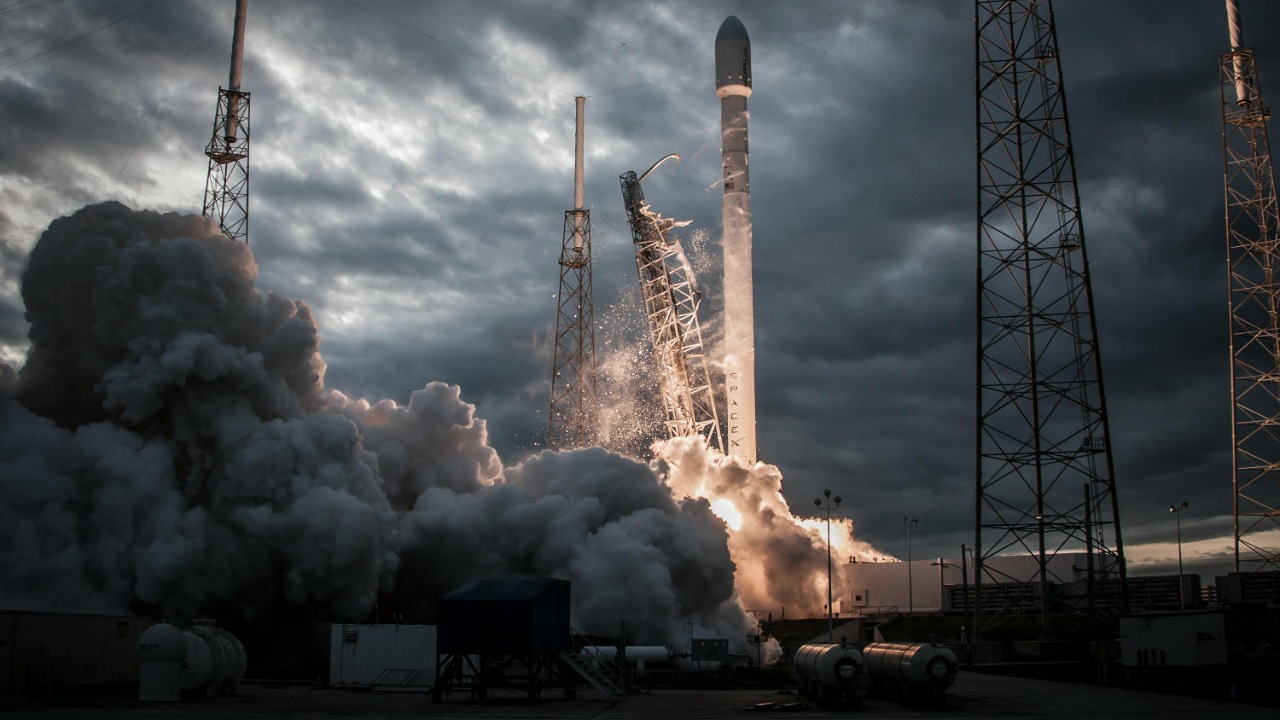
Despite these advancements, traditional rocket engines have inherent limitations. Conventional rocket fuels, such as liquid hydrogen and kerosene, are not only costly but also pose environmental hazards. The inefficiencies associated with these fuels lead to substantial resource consumption and emissions during launches. Moreover, the economic challenges of producing and utilizing these fuels have historically restricted access to space, primarily to government-funded entities. As the demand for space exploration grows, addressing these limitations becomes increasingly crucial.
The Revolutionary Aerospace Engine
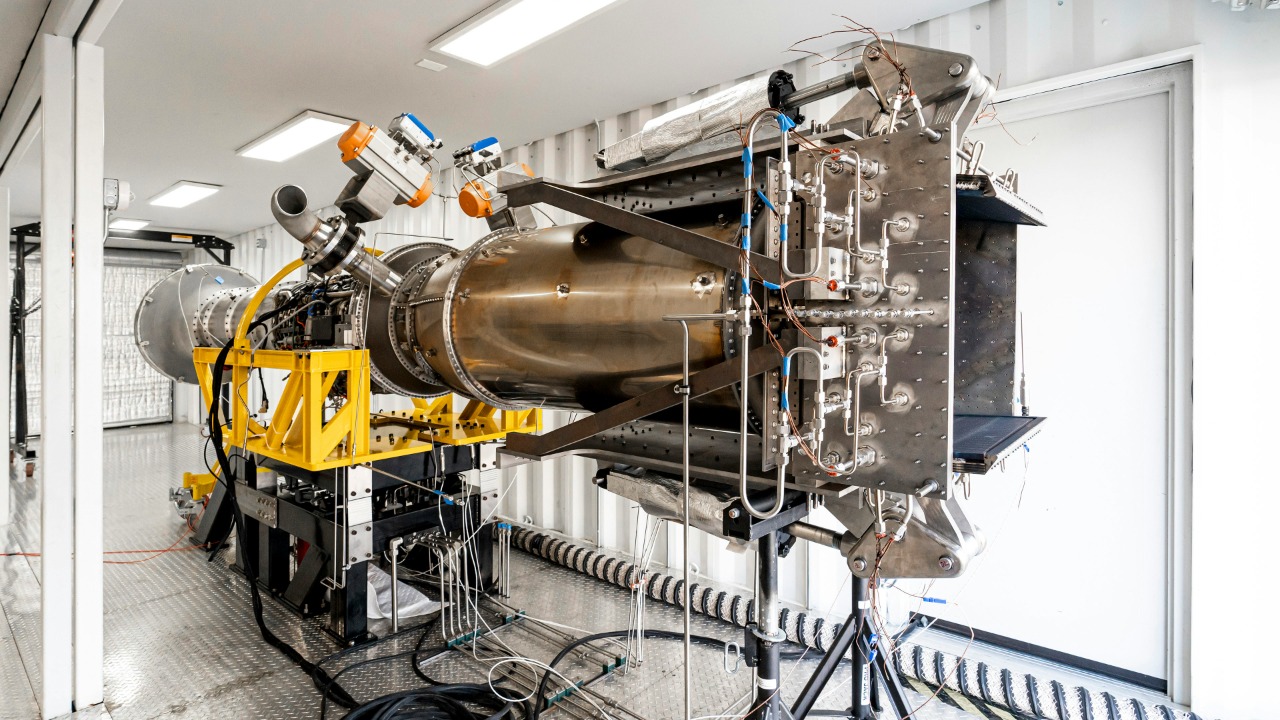
The introduction of a revolutionary aerospace engine design marks a paradigm shift in how we approach space travel. Unlike traditional rocket engines, this new technology leverages advanced propulsion methods that could potentially render conventional rockets obsolete. The engine employs a hybrid propulsion system, combining elements of both jet and rocket engines, which allows for greater efficiency and reduced fuel consumption. By utilizing air from the atmosphere during initial ascent phases, the engine significantly decreases the amount of onboard oxidizer needed, thereby reducing overall weight and enhancing performance.
The environmental benefits of this new engine design are particularly noteworthy. By minimizing the reliance on traditional rocket fuels, the engine aims to substantially cut down on harmful emissions. Given the ongoing concerns about the environmental impact of increasing space travel, particularly the potential damage to the ozone layer, this innovation offers a promising solution. A recent study by NOAA highlights the potential risks posed by increased space travel to our planet’s protective ozone layer. This new engine technology could play a crucial role in mitigating such environmental risks.
Implications for Space Exploration
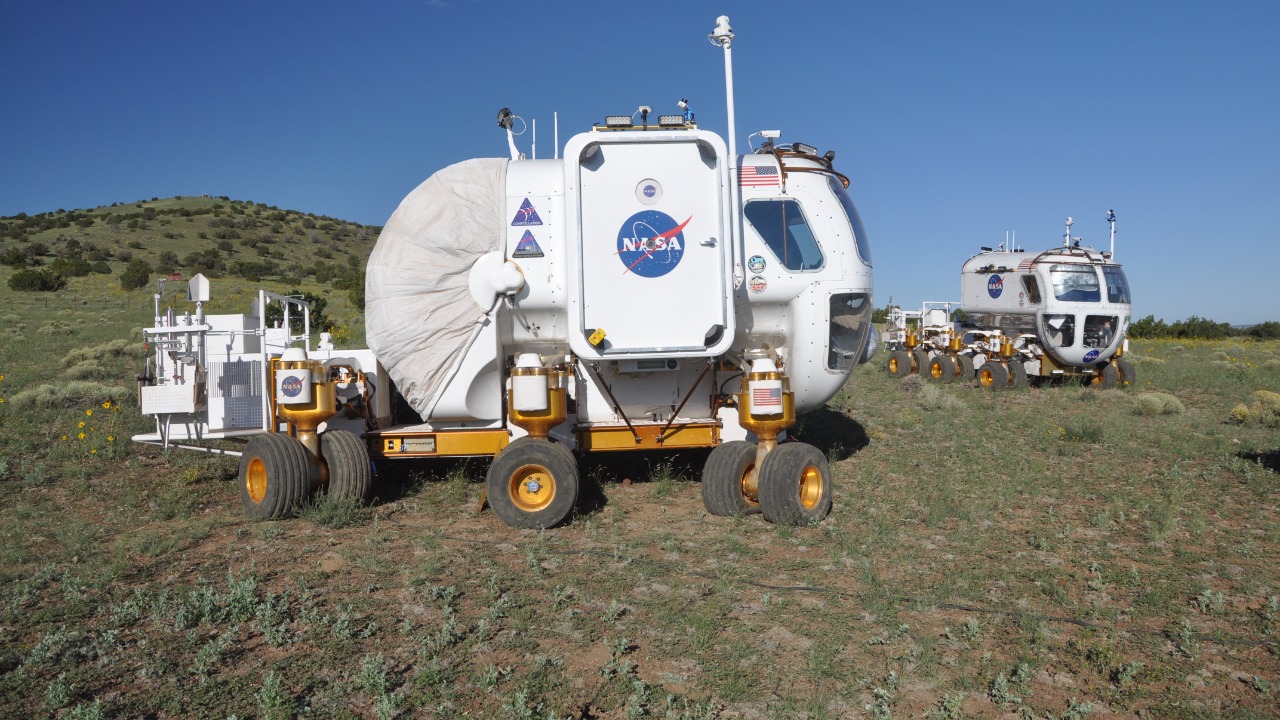
The advent of this aerospace engine holds transformative potential for the future of space exploration. One of the most significant implications is cost efficiency, which could democratize access to space. By reducing the expenses associated with launches, this technology opens up opportunities for a broader range of entities, including developing countries and private companies, to embark on space missions. This democratization could foster greater international cooperation and collaboration in space exploration efforts, leading to a more inclusive and diverse array of participants in the space industry.
Moreover, improved propulsion capabilities could pave the way for deeper space exploration, enabling missions to more distant celestial bodies. The efficient design of the new engine supports longer-duration missions, potentially facilitating human exploration of Mars and beyond. With the possibility of sustained human presence beyond Earth’s orbit, we stand on the brink of a new era in space exploration. Such advancements could unlock new scientific discoveries and expand our understanding of the universe.
Challenges and Considerations

Despite the promising prospects of the new aerospace engine, several challenges must be addressed before widespread implementation can occur. Technological and engineering hurdles remain, as the development of this innovative propulsion system requires rigorous testing and refinement. The complexities involved in integrating the engine into existing infrastructure and ensuring its reliability are significant. Overcoming these challenges will necessitate continued investment in research and development, as well as collaboration among industry leaders and policymakers.
Economic and policy considerations also play a pivotal role in the adoption of this new technology. The aerospace industry could experience shifts in priorities as companies and governments reassess their approaches to space exploration. Policymakers will need to establish regulations and frameworks that support the development and deployment of new aerospace technologies. As the industry evolves, fostering an environment conducive to innovation while addressing safety and environmental concerns will be essential.
Future Outlook
The potential developments stemming from this revolutionary engine are vast. As research continues, further innovations may enhance the engine’s performance and expand its applications. The ongoing collaboration between academic institutions, private companies, and government agencies will be crucial in pushing the boundaries of what is possible in aerospace engineering. The synergy of these efforts could yield breakthroughs that reshape our approach to space travel and exploration.
Globally, the impact of this engine on space initiatives could be profound. By facilitating more sustainable and cost-effective space travel, the engine could influence the direction of future global projects and partnerships. As countries and organizations work together to address common challenges, the potential for international cooperation in space exploration could lead to unprecedented achievements. Humanity’s exploration of the cosmos stands to benefit from this technological leap, opening new horizons for discovery and innovation.