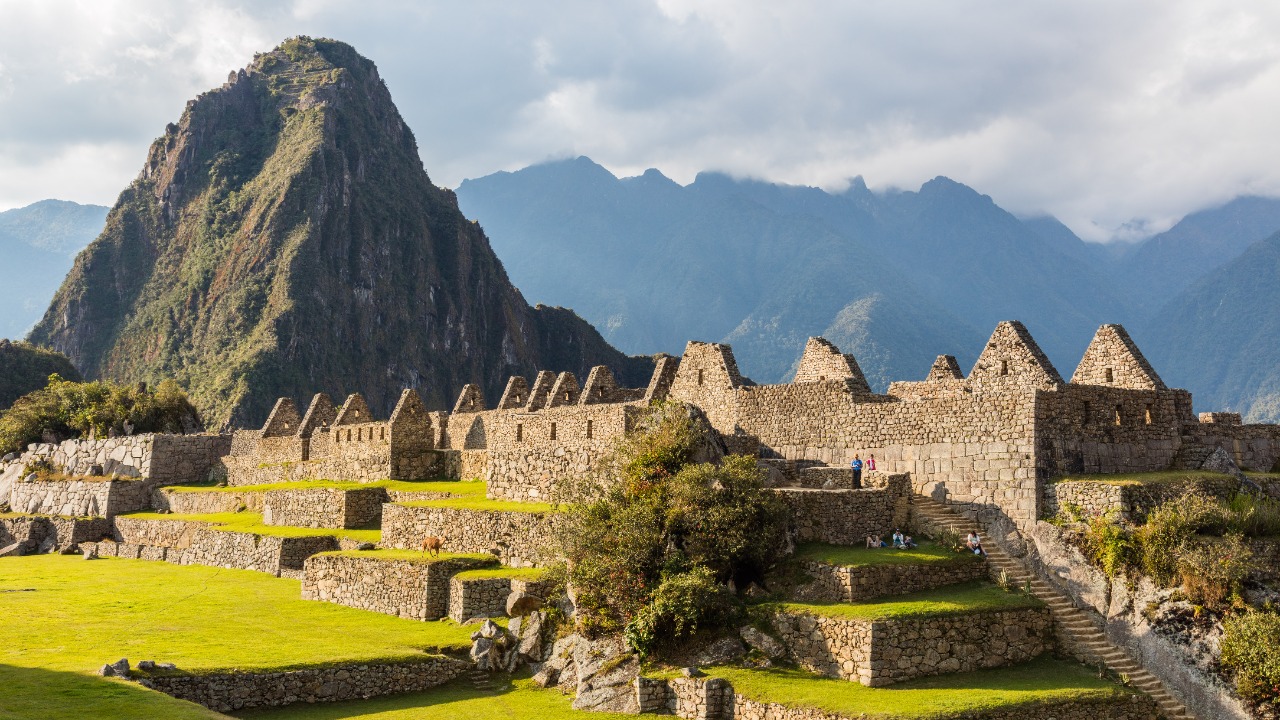

Recent archaeological excavations in Peru have unearthed 3,800-year-old ruins that provide incredible insights into a previously unknown water-worshipping cult. These findings not only shed light on the spiritual practices of ancient civilizations but also reveal the significance of water in their societal and agricultural systems.
The Discovery of the Ruins
Unearthing the Site
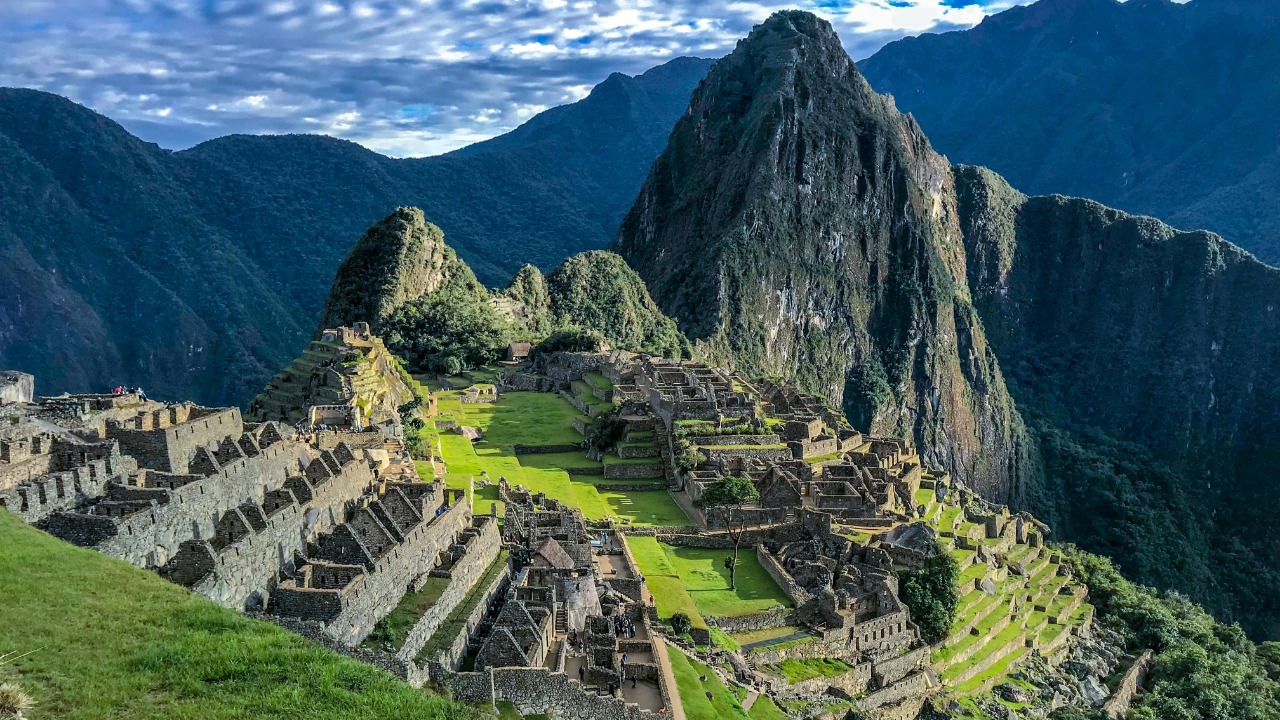
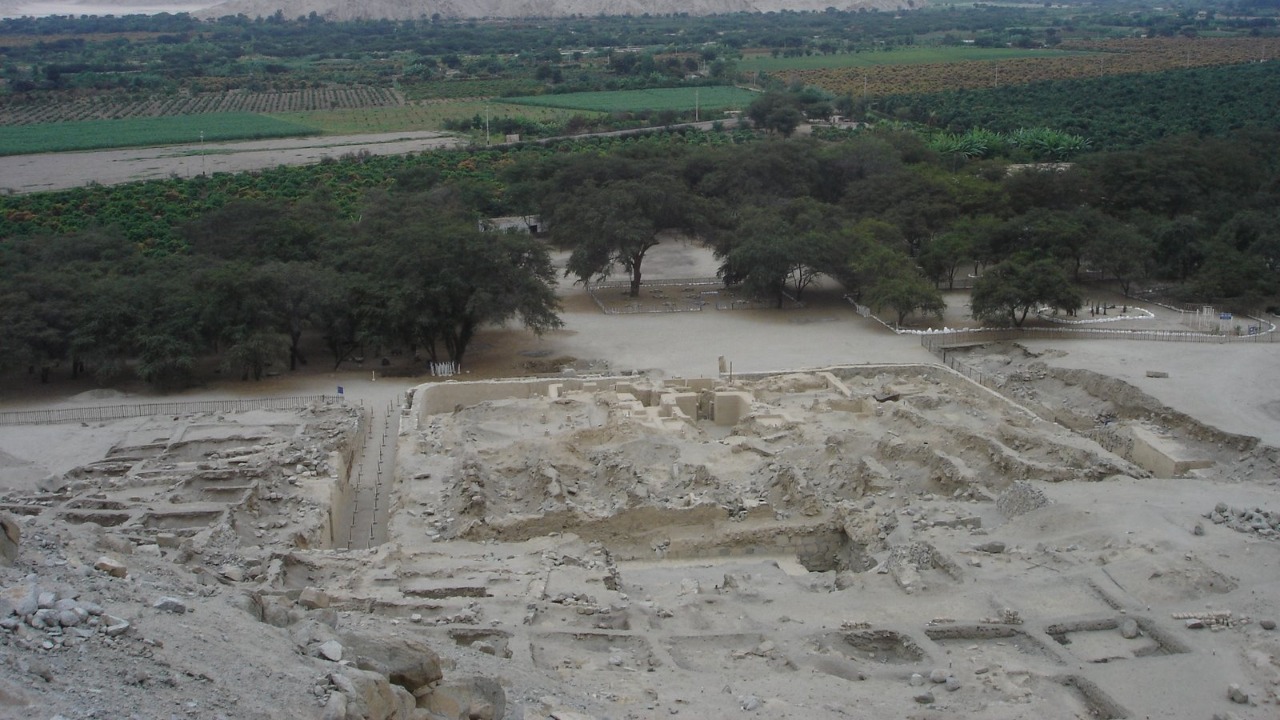
The discovery of the 3,800-year-old ruins occurred in the Casma Valley of Peru, a region already renowned for its rich archaeological history. A team of dedicated archaeologists embarked on a meticulous excavation process to unveil this hidden treasure. Utilizing advanced technology, including ground-penetrating radar and 3D mapping, they were able to precisely locate and preserve the fragile artifacts that lay beneath the surface. These technological advancements were instrumental in uncovering the site, ensuring that the integrity of the delicate ruins was maintained. You can read more about the excavation process and findings.
Initial Findings
The initial findings at the site revealed an elaborate complex of structures and artifacts, including ceremonial items linked to water worship. The ruins included large stone carvings, intricate pottery, and altars that suggested the presence of a highly organized religious society. Among the notable discoveries were depictions of water deities and symbols that indicated the community’s reverence for water. This discovery is significant as it highlights the complex spiritual and societal structures of pre-Incan civilizations, broadening our understanding of ancient Andean cultures.
The Water Cult: Practices and Beliefs
Rituals and Ceremonies
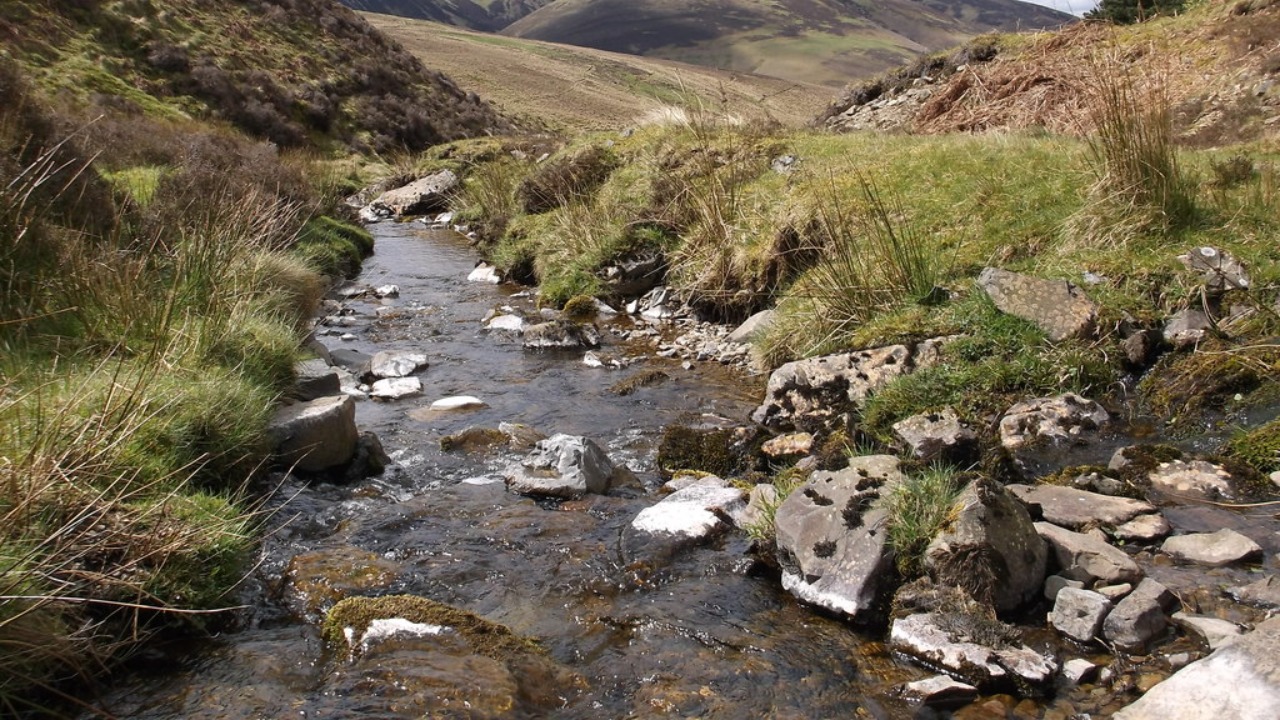
The water cult’s rituals and ceremonies were deeply rooted in their spiritual beliefs, with water serving as a central element in their practices. Ceremonial items such as chalices, offering vessels, and sacred stones suggest that water was not only a physical necessity but also a symbol of life and renewal. These rituals often involved processions to water sources and offerings made to water deities. The symbolic meanings of these ceremonies reflected the community’s dependence on water for agriculture and survival, as well as its spiritual significance. For a deeper dive into the cultural context, check out this analysis of ancient water worship.
Societal Impact
The water cult exerted a profound influence on local communities, shaping both their spiritual beliefs and agricultural practices. The cult’s hierarchy was led by priests and spiritual leaders who played a crucial role in guiding the community’s rituals and maintaining the balance between humans and nature. This influence extended to agricultural practices, where water management and irrigation techniques were developed to sustain the growing population. The integration of water worship into daily life underscored the community’s reliance on water as a vital resource, fostering a deep respect for the environment.
Archaeological Significance
Comparisons with Other Cultures
The discovery of this water cult invites comparisons with other ancient societies that also revered water. Cultures such as the Mesopotamians and Egyptians had similar practices, where water was seen as a divine gift essential for life. By examining the cross-cultural influences and exchanges, researchers can better understand the similarities and differences in ancient religious practices. These comparisons highlight the universal importance of water across civilizations and the diverse ways in which it was worshipped and integrated into religious life.
Preservation Efforts
Preserving the site and artifacts of the water cult poses several challenges. The fragility of the ruins and the threat of environmental degradation require meticulous conservation efforts. Archaeologists and conservators are working to stabilize the structures and protect the artifacts from further damage. These efforts are crucial for safeguarding the historical and cultural significance of the site, allowing future generations to learn from and appreciate the achievements of ancient societies. The preservation of these ruins underscores the importance of understanding human history and its cultural evolution, as detailed in this comprehensive guide.
Implications for Modern Understanding of Ancient Societies
Revisiting Historical Narratives
The findings at the Casma Valley site challenge previous assumptions about pre-Incan civilizations, offering new insights into the complexity of their societal structures and religious practices. This discovery prompts historians and archaeologists to revisit historical narratives and consider the role of water worship in shaping ancient societies. By exploring these new perspectives, we can develop a more nuanced understanding of the past and its influence on contemporary beliefs and practices.
Cultural Heritage and Identity
The significance of these ruins extends beyond their historical value, resonating with the cultural identity of modern Peruvians. The reverence for water and the environment demonstrated by the ancient water cult serves as a reminder of the importance of sustainable practices and environmental stewardship. Contemporary society can draw lessons from these ancient practices, fostering a deeper appreciation for natural resources and their role in sustaining life. For more on the cultural implications, visit this exploration of cultural heritage.