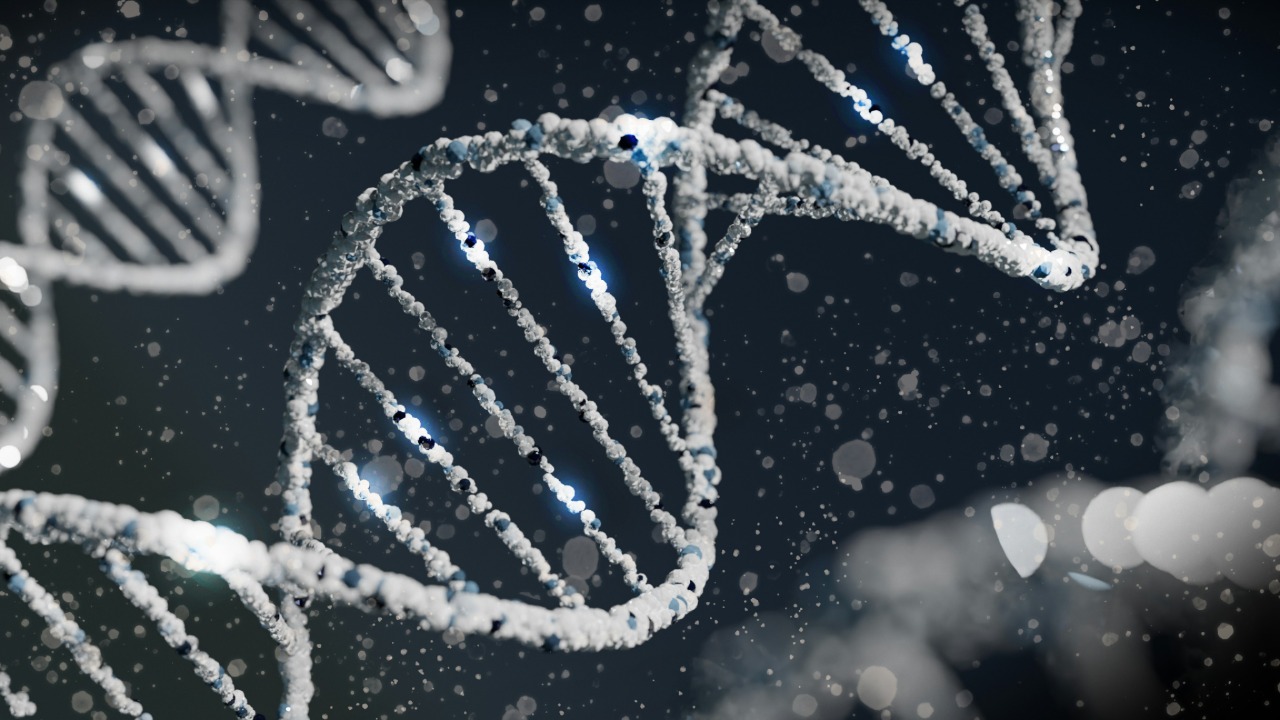

Recent advancements in genetic research have uncovered groundbreaking evidence that ancient humans interbred with an unidentified hominin group. This discovery, derived from the analysis of “ghost DNA,” challenges our understanding of human evolution and reveals a more intricate web of human ancestry than previously known. These findings not only provide a new perspective on the complexity of our origins but also pave the way for future explorations into the mysteries of human evolution.
The Discovery of Ghost DNA

The term “ghost DNA” refers to genetic material in modern human genomes that cannot be attributed to any known hominin group. This genetic anomaly has intrigued scientists and has significant implications for our understanding of human origins. Studies have suggested that this DNA may originate from an unknown hominin population that interbred with ancestors of certain modern-day human groups, particularly in West Africa. The presence of this ghost DNA suggests that there were interactions with an enigmatic group that has since vanished, leaving only genetic traces behind.
In West African populations, researchers have identified genetic markers that point to interbreeding with an unknown lineage. These findings challenge the traditional narrative of human evolution, which has primarily focused on interactions with Neanderthals and Denisovans. The discovery of ghost DNA adds another layer of complexity, highlighting the possibility that there were multiple, now-extinct hominin groups that contributed to the genetic makeup of modern humans. This revelation forces us to reconsider the simplistic view of human evolution as a linear progression and instead view it as a complex web of interactions and exchanges.
Traces of Unknown Lineages Across the Globe

Beyond West Africa, evidence of mysterious human groups has been uncovered in various parts of the world. One notable example is the discovery of ancient DNA in the Green Sahara region, dating back 7,000 years. This DNA points to a previously unknown hominin group that inhabited the area during a time when the Sahara was a lush, hospitable environment. The existence of such a group provides valuable insights into how ancient humans adapted to changing climates and landscapes.
In Colombia, another fascinating discovery was made when researchers found genetic remnants of a vanished indigenous group that disappeared around 2,000 years ago. The genetic legacy of this group persists in modern populations, offering clues about the migration patterns and interactions of ancient people in South America. These findings underscore the global presence of unknown ancestral DNA, suggesting that our understanding of human history is far from complete.
Technological Advances in Ancient DNA Analysis
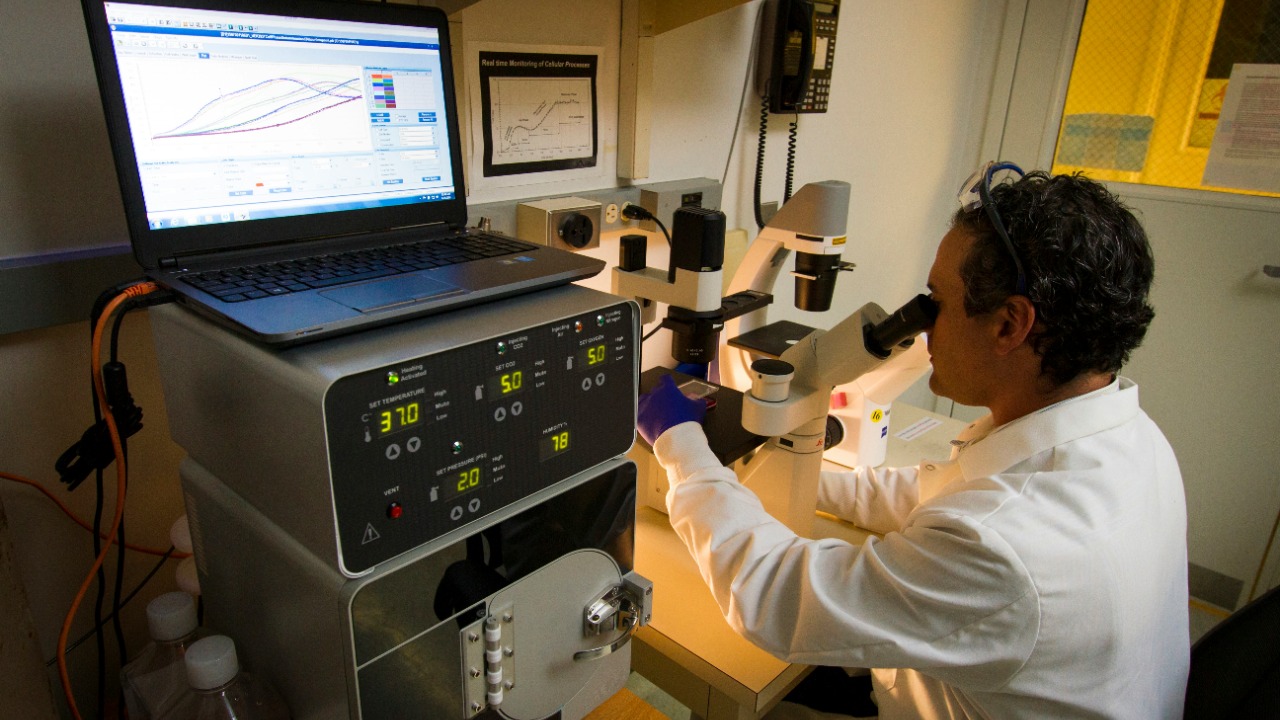
The study of ancient DNA has been revolutionized by technological advancements that allow scientists to extract and analyze genetic material from remains that are thousands of years old. Techniques such as next-generation sequencing and improved methods for DNA extraction have made it possible to identify previously unknown genetic markers in ancient remains. These technologies have opened new avenues for exploring the complex tapestry of human ancestry and uncovering forgotten chapters of our history.
Despite these advancements, there are still challenges and limitations in reconstructing ancient human lineages. The degradation of DNA over time, contamination with modern DNA, and the incomplete nature of the fossil record all pose significant hurdles. However, ongoing innovations and interdisciplinary collaborations continue to improve the accuracy and reliability of ancient DNA studies. As these technologies evolve, we can expect to uncover even more intriguing details about the unknown hominin groups that contributed to our genetic heritage.
Implications for Our Understanding of Human Evolution

The discovery of ghost DNA and other unknown ancestral lineages has profound implications for the family tree of human evolution. Traditional models, which often depicted a linear progression from archaic hominins to modern humans, must now be re-evaluated in light of these findings. The intricate web of interbreeding events suggests a more fluid and dynamic process, where migration and interaction played crucial roles in shaping human diversity.
These discoveries also prompt us to reconsider migration patterns and interactions among ancient human groups. The presence of unknown DNA in diverse populations indicates that ancient humans were more mobile and interconnected than previously thought. This enhanced understanding of our ancestors’ movements and interactions can provide valuable insights into the development of cultural and technological innovations throughout history.
Future Directions in Human Ancestry Research

The ongoing exploration of human ancestry promises to yield even more groundbreaking discoveries. Future research may focus on uncovering additional unknown human lineages and further elucidating the complex interactions that have shaped our genetic heritage. Advances in genetic analysis techniques, combined with archaeological and paleoanthropological evidence, will likely reveal new details about our evolutionary past.
Interdisciplinary collaboration will be crucial in advancing our understanding of human ancestry. By integrating insights from genetics, archaeology, anthropology, and other fields, researchers can build a more comprehensive picture of our evolutionary history. As we continue to explore the mysteries of our origins, we may discover further evidence of ancient interbreeding events that challenge our current understanding of human evolution.
The journey into our past is far from over. With each new discovery, we gain a deeper appreciation for the complexity of human evolution and the myriad factors that have contributed to the diversity of modern humans. As we continue to unravel the secrets of our genetic heritage, we are reminded of the interconnectedness of all human beings, past and present.