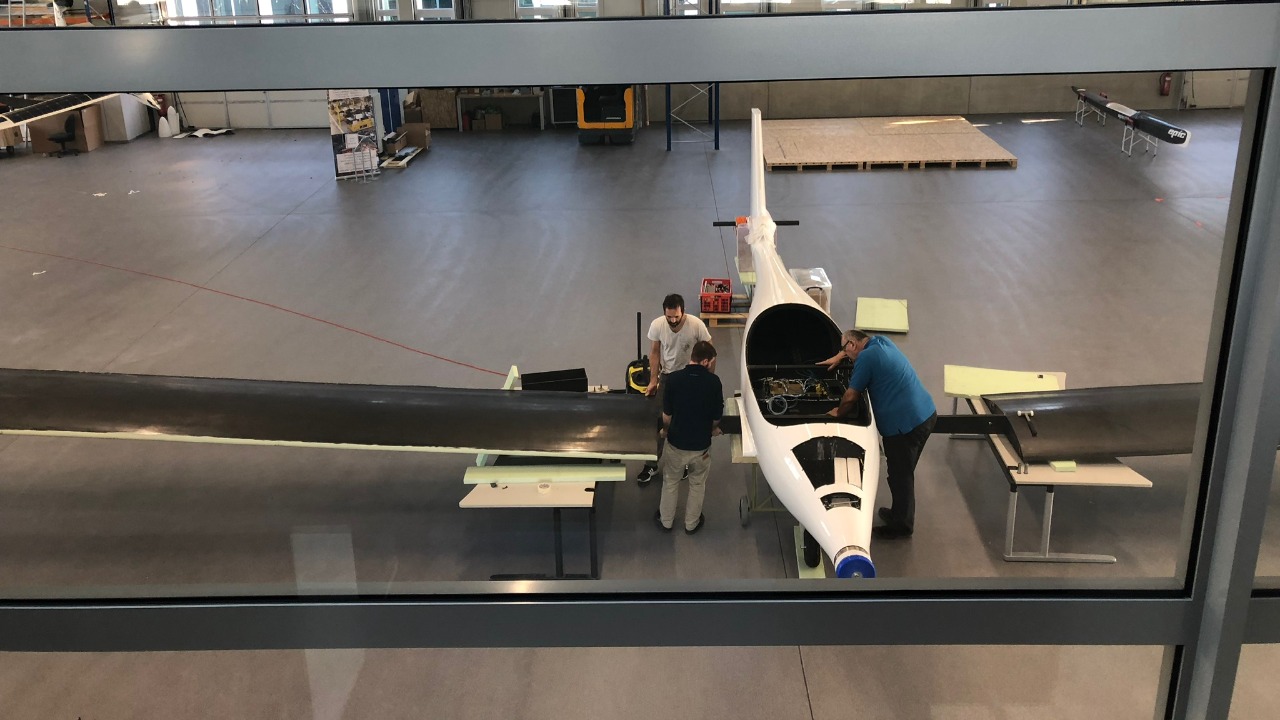

Electric aviation has taken a significant leap forward as the first all-electric plane successfully completes its inaugural route. This milestone marks a pivotal moment in the quest for sustainable aviation and highlights the technological advancements that are shaping the future of air travel.
The Journey of Electric Aviation
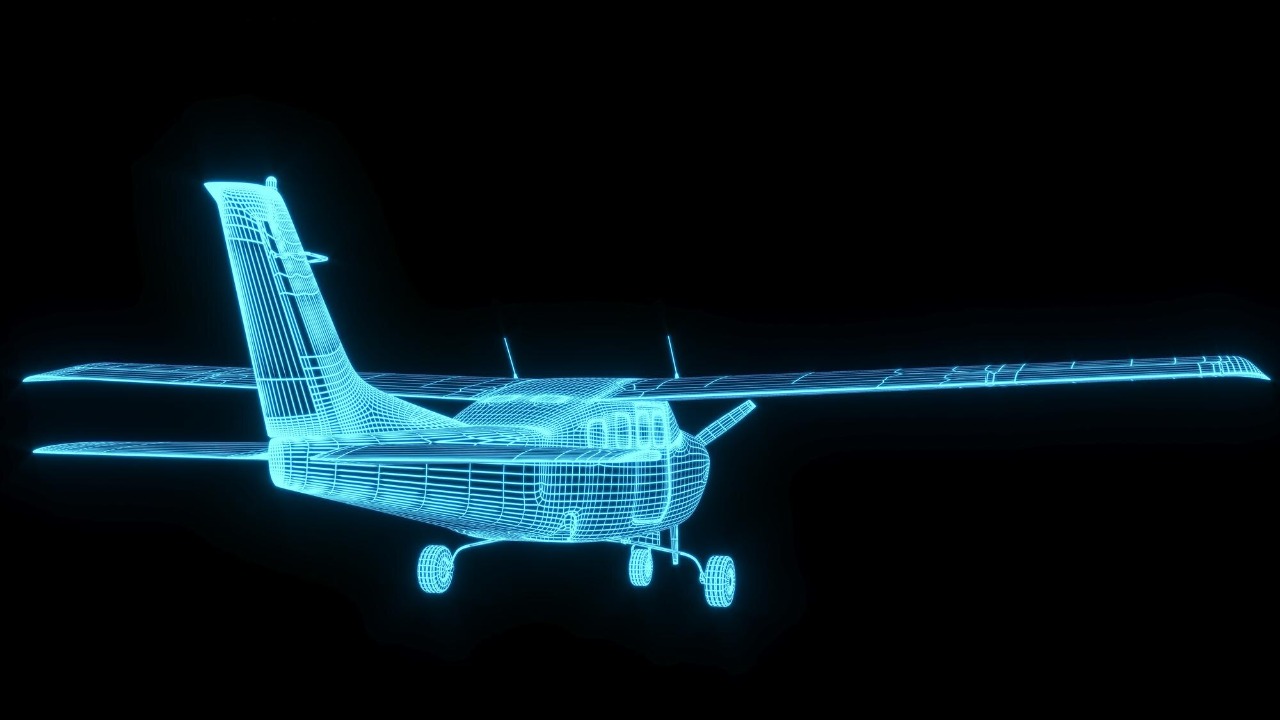
The journey of electric aviation has been a remarkable one, tracing back to the early 20th century when the first attempts were made to power flight with electricity. These initial experiments were modest, limited by the technology of the time, but they laid the groundwork for future innovations. Fast forward to the 21st century, and the landscape of electric aviation has transformed dramatically, thanks to advancements in battery technology, materials science, and aerodynamics. These innovations have catapulted electric aircraft from mere experimental vehicles to viable options for commercial aviation, a process chronicled in detail in various academic journals.
However, the road to achieving the first commercial electric flight was not without its challenges. Technical hurdles such as battery weight, energy density, and range limitations posed significant obstacles. Moreover, regulatory frameworks had to evolve to accommodate the unique characteristics of electric aircraft. Safety standards, pilot training, and maintenance protocols required adaptation to ensure the seamless integration of electric planes into existing airspace. Despite these challenges, the industry has witnessed several key milestones, including the successful test flights of hybrid-electric models, which have paved the way for fully electric alternatives.
The Inaugural Flight
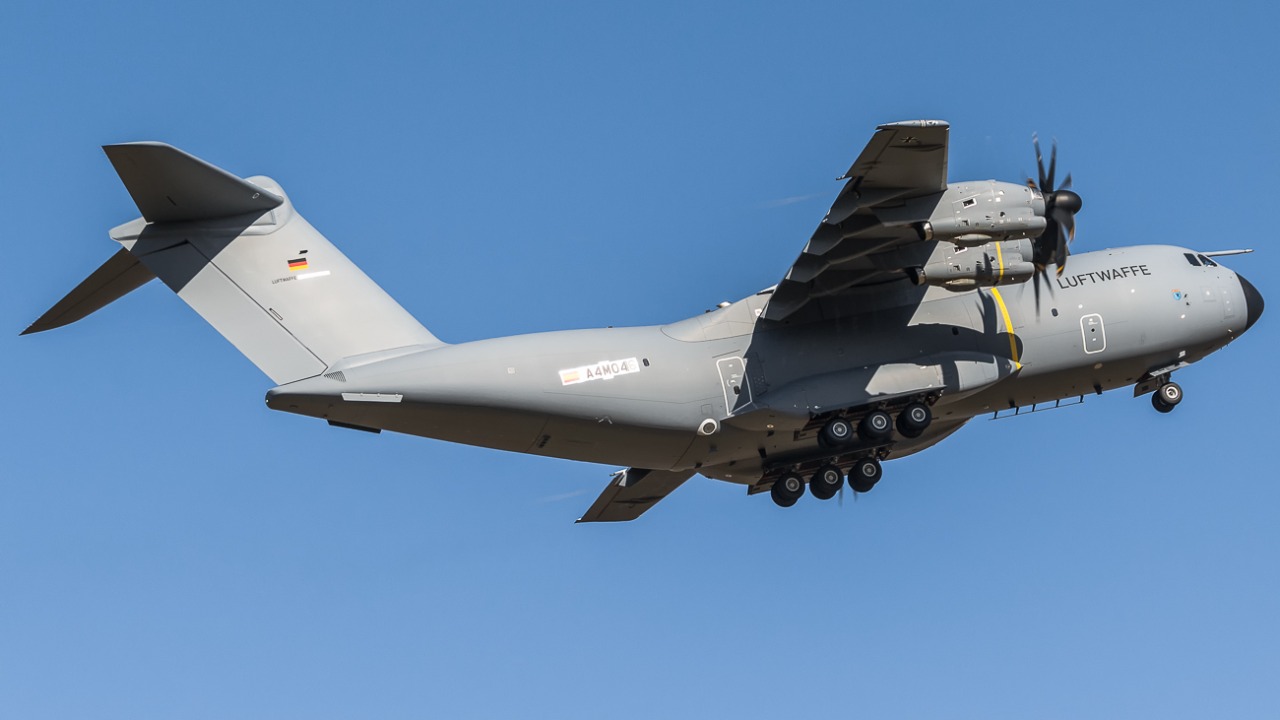
The inaugural flight of the all-electric plane covered a route that is emblematic of the potential for electric aviation in regional travel. Departing from a small regional airport and landing at a major city hub, the flight covered a distance of approximately 200 miles, with a flight duration of around one hour. This route was strategically chosen to demonstrate the capabilities of electric planes in short-haul travel, a segment of the market ripe for sustainable solutions.
The aircraft used for this groundbreaking flight was a marvel of modern engineering. Designed with a sleek fuselage and advanced aerodynamics, the plane featured a capacity for up to nine passengers, powered entirely by electric motors fueled by state-of-the-art lithium-ion batteries. This setup not only ensured zero emissions during flight but also allowed for a quieter and more comfortable journey. Pilots and passengers alike praised the aircraft’s performance, noting the smoothness of the flight and the surprisingly low noise levels, which contrasted sharply with traditional combustion engine planes.
Environmental Impact and Benefits
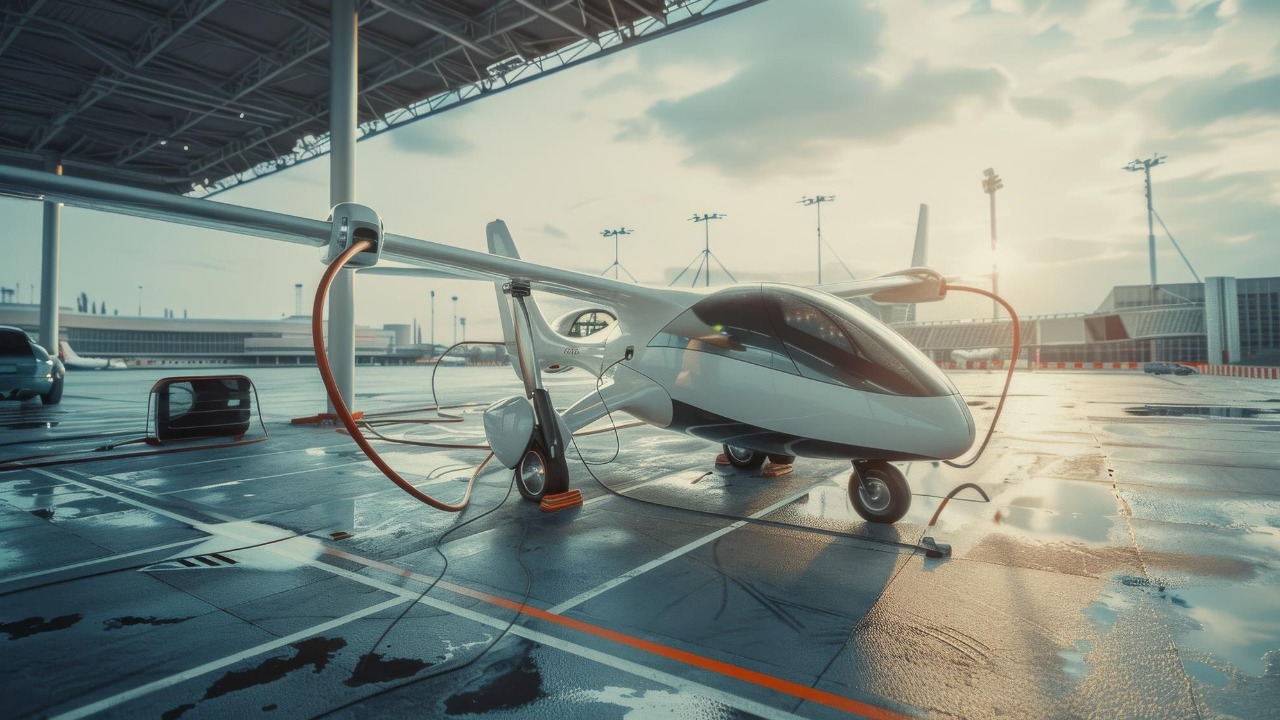
One of the most compelling aspects of electric aviation is its potential to significantly reduce emissions. Traditional aircraft contribute to a substantial portion of the global carbon footprint, primarily due to their reliance on fossil fuels. By contrast, electric planes offer a cleaner alternative, emitting no carbon dioxide during operation. This shift is crucial in the broader effort to mitigate climate change and transition to more sustainable forms of transportation. The potential for emission reduction has been highlighted in numerous studies, including those published on platforms like SSRN.
In addition to their environmental benefits, electric aircraft also promise to reduce noise pollution, a significant concern for communities near airports. The quieter operation of electric motors means that flights can be less disruptive, potentially allowing for more flexible scheduling and reducing the need for stringent noise abatement procedures. In the long term, the adoption of electric planes could lead to profound changes in the aviation industry, prompting the development of new airport infrastructures and influencing airline strategies.
Challenges and Future Prospects
Despite the successful completion of the first all-electric flight, several technical challenges remain. Current battery technology, while advanced, still falls short of the energy density required for long-haul flights. As a result, electric aviation is currently best suited for short- to medium-haul routes. Ongoing research and development efforts are focused on enhancing battery efficiency and exploring alternative power sources, such as hydrogen fuel cells, which could extend the range and capabilities of electric aircraft.
In addition to technological hurdles, the transition to electric aviation requires significant updates to infrastructure. Airports need to develop charging facilities capable of supporting a fleet of electric planes, which involves substantial investment and planning. Moreover, integrating electric aircraft into air traffic management systems necessitates updates in communication protocols and operational procedures. Despite these challenges, the vision for the future of electric aviation remains optimistic. Industry experts foresee a gradual but steady increase in the adoption of electric planes, driven by both environmental imperatives and economic incentives. This vision is supported by developments like the launch of larger electric aircraft, promising broader applications.
Industry Reactions and Market Implications

The aviation industry has responded to the advent of electric planes with a mix of excitement and caution. Airlines are keenly aware of the potential cost savings offered by electric aircraft, particularly in terms of fuel expenses and maintenance costs. At the same time, aircraft manufacturers are investing heavily in research and development to stay competitive in this emerging market. The shift towards electric aviation is also being closely monitored by environmental groups, who view it as a critical step towards reducing the industry’s carbon footprint.
Economically, the rise of electric planes could lead to significant changes in the aviation landscape. As electric aircraft become more prevalent, the cost structures of airlines may shift, with potential savings being passed on to consumers. This could result in increased accessibility to air travel, particularly for short-haul routes. Furthermore, the competitive dynamics among aircraft manufacturers are likely to evolve, with traditional players facing new challenges from startups and companies specializing in electric aviation technology. This shift is exemplified by initiatives such as the Heart Aerospace’s hybrid-electric aircraft, which highlights the diverse approaches being taken to revolutionize air travel.