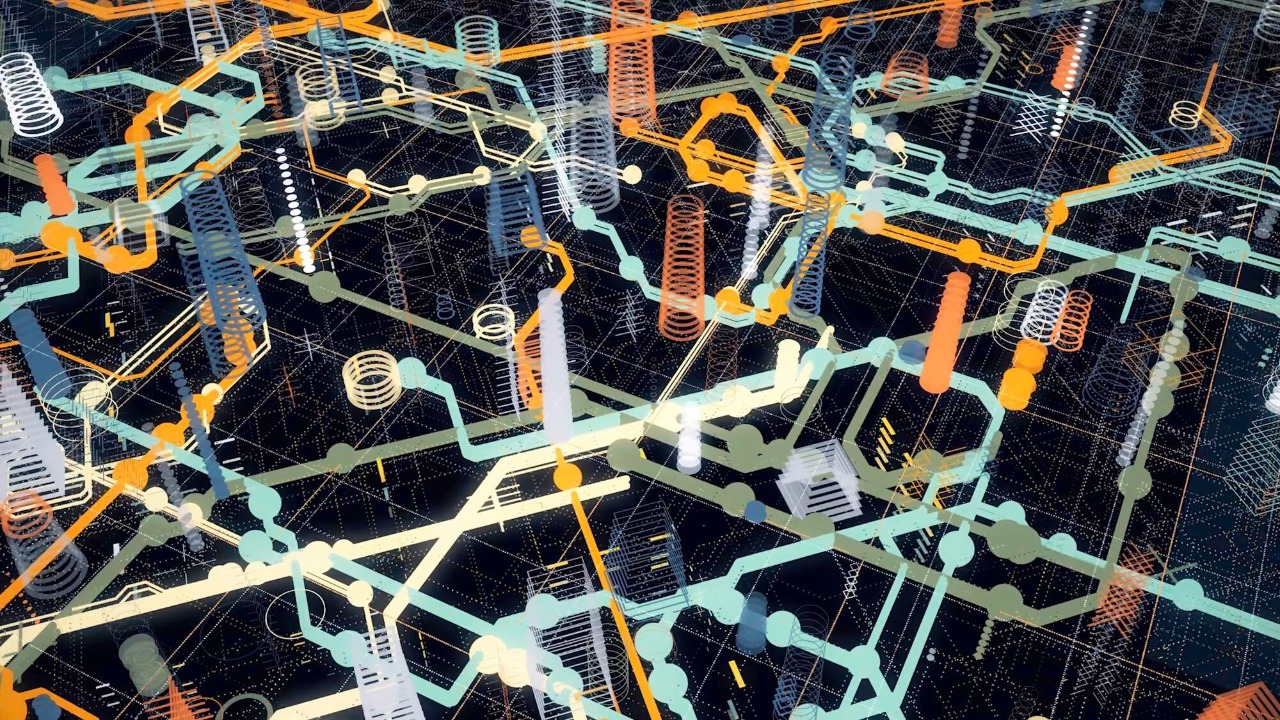

The world beneath our feet is as fascinating as it is mysterious, with underground cities holding untold stories and hidden wonders. Recent advancements in artificial intelligence (AI) are revolutionizing how we explore and map these subterranean landscapes, offering unprecedented insights into their structure and potential.
The Role of AI in Mapping
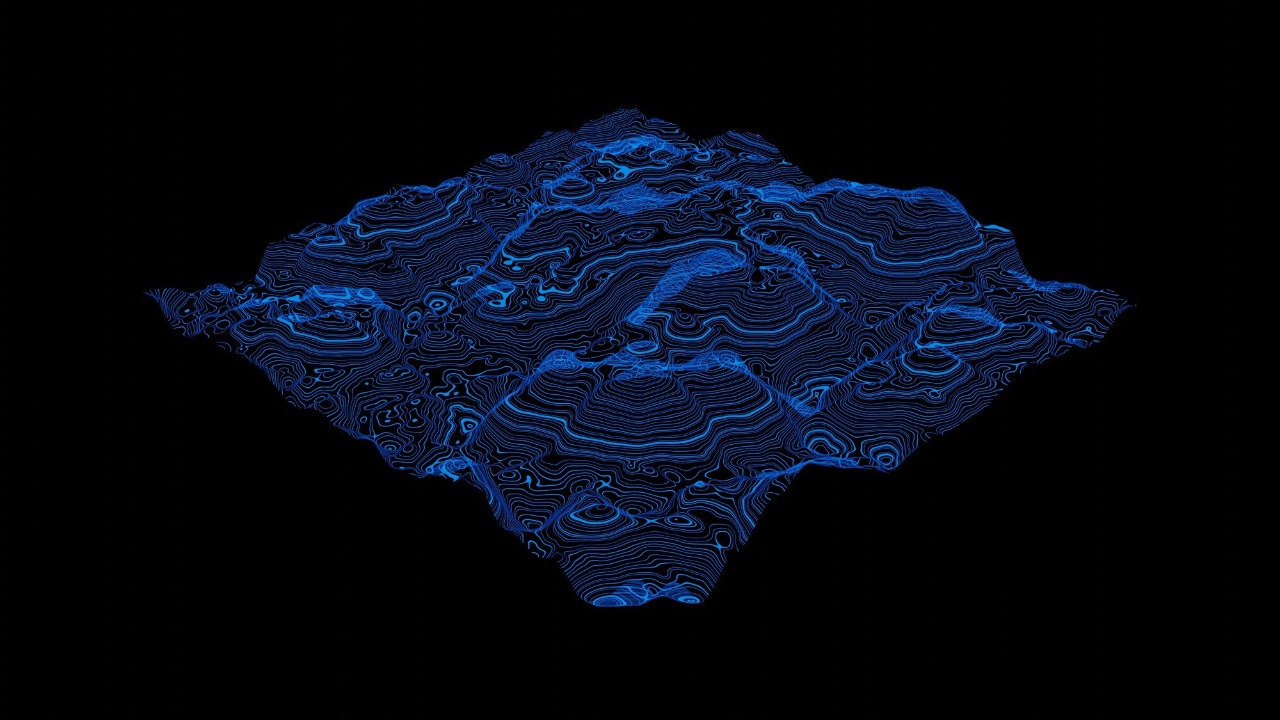
AI leverages advanced imaging technology to create detailed maps of underground spaces, improving both accuracy and efficiency. Technologies such as LiDAR and radar allow AI systems to penetrate the earth’s surface, revealing hidden details inaccessible through traditional methods. As a result, AI-generated maps provide a more comprehensive view of subterranean environments, enhancing our ability to navigate and understand these complex spaces.
Data integration and analysis play a crucial role in AI mapping. By combining multiple data sources, AI systems can produce more comprehensive maps, offering insights into geological formations and potential hazards. Machine learning algorithms analyze large datasets, identifying patterns that might otherwise go unnoticed. However, mapping underground terrains poses significant challenges. Data collection can be difficult due to limited access and environmental conditions, while current technology may not always capture the full scope of underground features.
Applications of AI in Underground Exploration
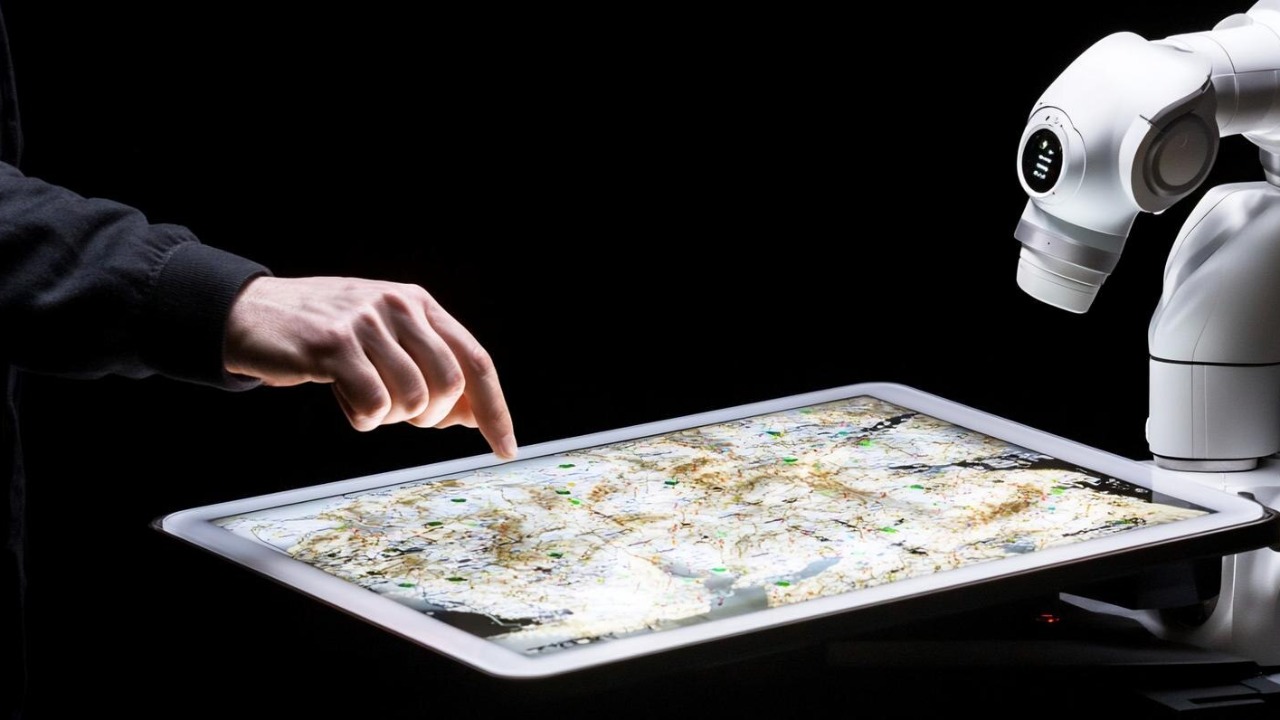
In urban planning and development, AI mapping aids in the assessment of underground utilities and structures, facilitating the design and implementation of urban infrastructure. By providing accurate data on existing subterranean features, planners can make informed decisions about construction and development projects, minimizing the risk of disruption and maximizing efficiency.
AI also plays a pivotal role in archaeological discoveries. By uncovering ancient underground cities, AI offers insights into historical settlements without the need for invasive excavation. This technology enables archaeologists to explore and document these sites in a non-destructive manner, preserving them for future generations. Additionally, AI-generated maps are invaluable in disaster preparedness and management. By identifying potential hazards in underground regions, these maps assist in planning for natural disasters such as earthquakes, enhancing our ability to respond effectively.
AI Mapping Technologies and Innovations
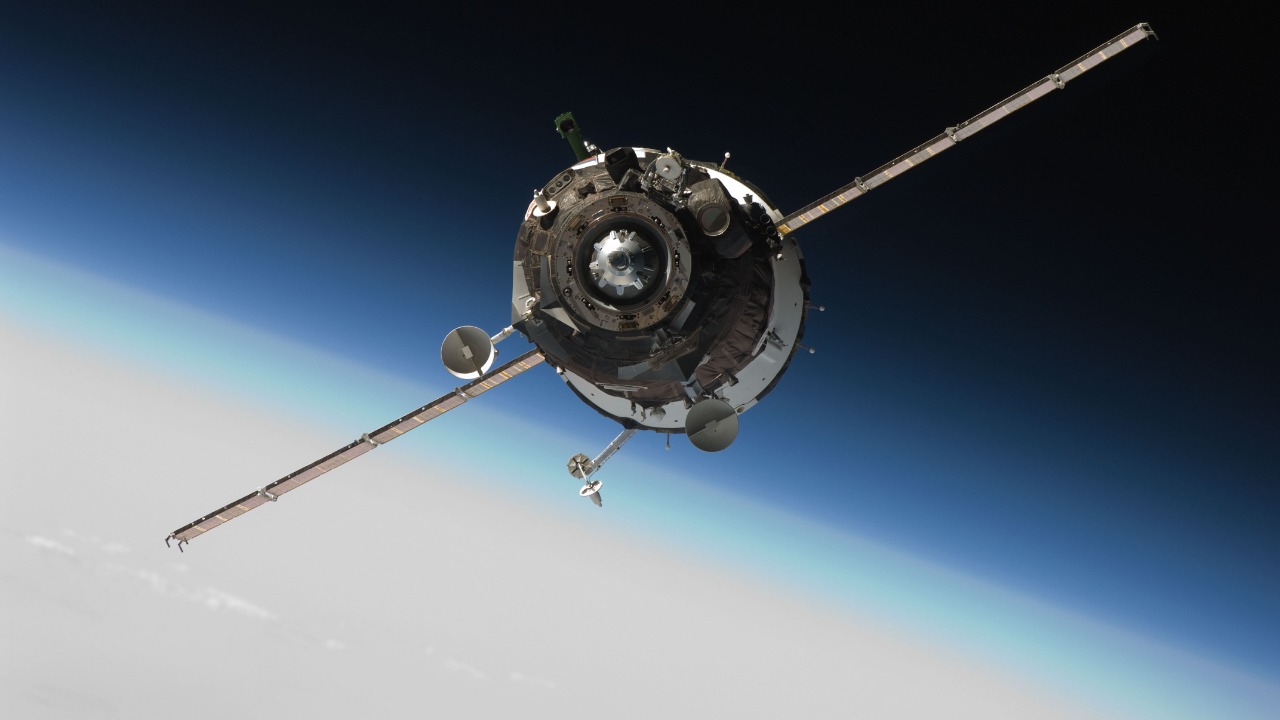
The integration of LiDAR and radar technologies with AI has revolutionized our ability to explore underground spaces. These technologies penetrate the earth’s surface, revealing hidden details that traditional methods might miss. Combined with AI’s data processing capabilities, they facilitate the creation of highly accurate maps, essential for various applications from urban planning to archaeology.
AI also enables the creation of 3D models and simulations of underground spaces, allowing for virtual exploration and scenario testing. These models provide a realistic representation of subterranean environments, enabling users to visualize and interact with them in ways that were previously impossible. Additionally, the integration of AI mapping into the broader context of IoT and smart city initiatives enhances connectivity and data-driven decision-making, paving the way for more efficient and sustainable urban environments.
The Future of AI in Underground Mapping
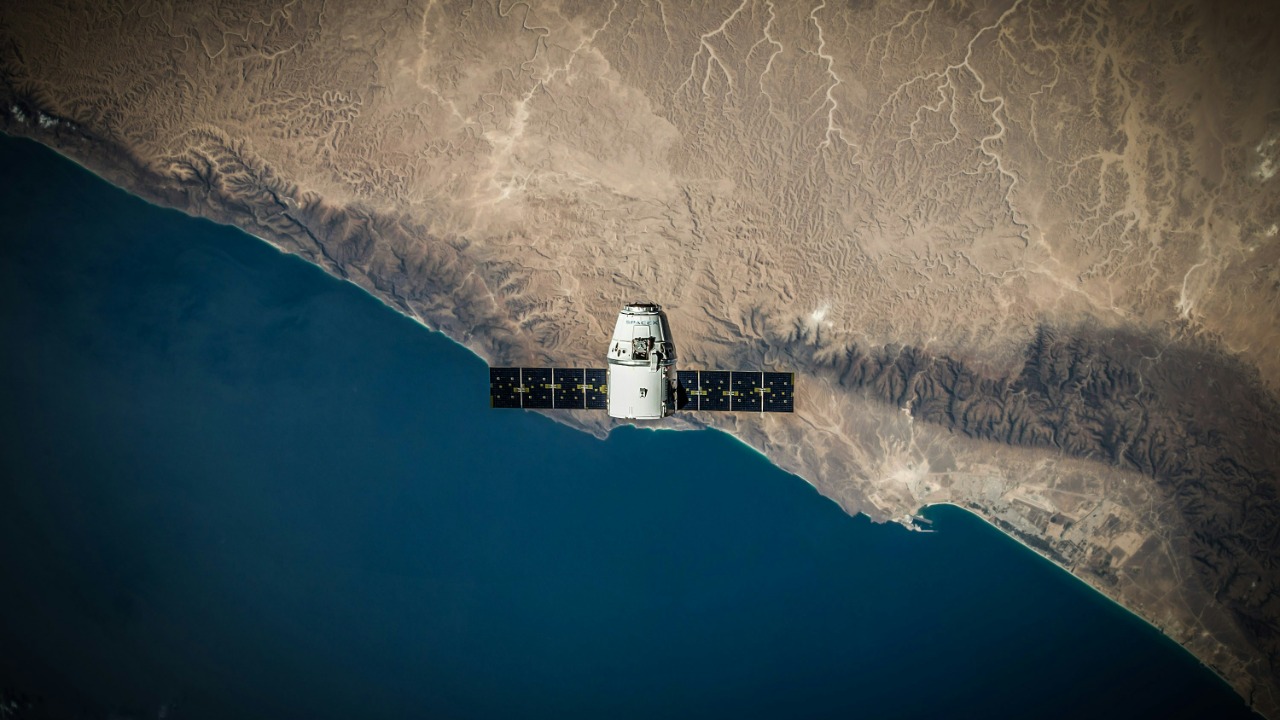
The potential for global exploration using AI technology is vast. As AI capabilities continue to advance, we can expect to explore uncharted underground territories across the globe, from dense urban environments to remote wildernesses. Future advancements in AI technology, such as quantum computing and improved algorithms, could further revolutionize underground mapping, offering new insights and capabilities.
However, with these advancements come ethical and environmental considerations. It is crucial to ensure that AI-driven exploration is conducted sustainably and responsibly, minimizing its environmental impact and addressing any ethical implications. As we continue to unlock the secrets of the underground world, it is essential to balance technological progress with the preservation of our planet and its resources.