
When it comes to handling extreme cold, not all trucks are created equal. Some models have gained a reputation for struggling in freezing conditions, making them less reliable choices for those living in colder climates. Let’s take a closer look at seven trucks that tend to fall apart in extreme cold, based on real-world experiences and expert insights.
Ford F-150
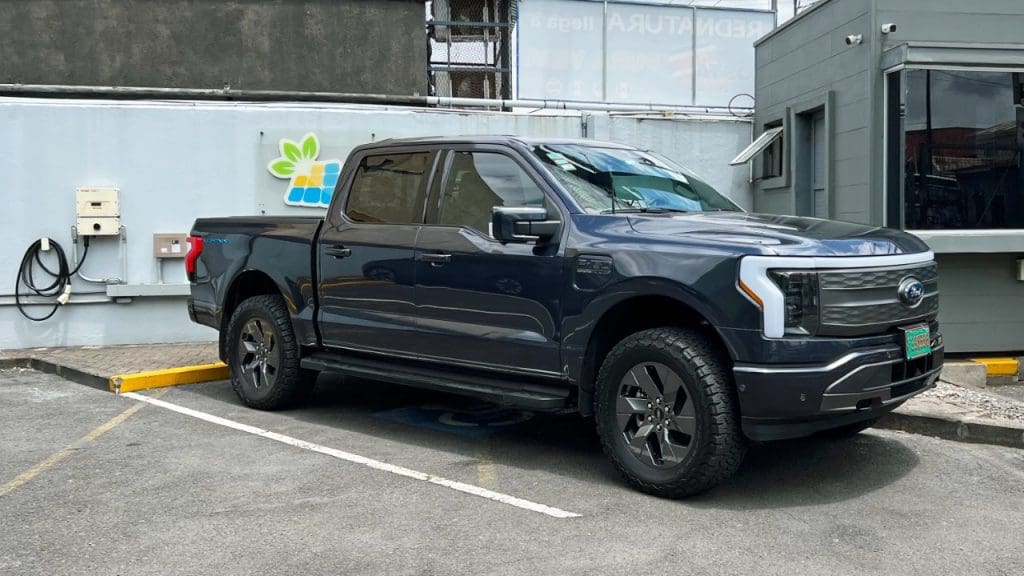
The Ford F-150, though a popular choice among truck enthusiasts, has its fair share of challenges when faced with bitter cold temperatures. Models from the early 2000s, in particular, are known to have issues with their ignition systems and batteries, which can lead to starting problems in sub-zero conditions. Owners have often reported that the cold exacerbates the already existing issues with the truck’s electrical system.
Furthermore, the F-150’s door latches have been known to freeze, making it difficult to access the vehicle when temperatures drop significantly. While later models have seen improvements, the F-150’s reputation for cold-weather issues persists, making it a less reliable choice in icy climates.
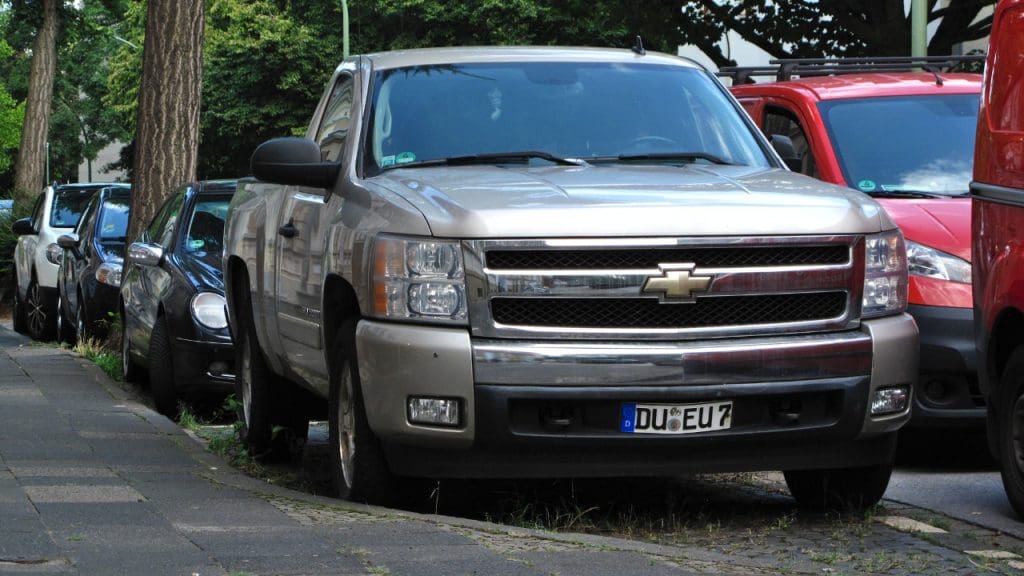
Chevrolet Silverado
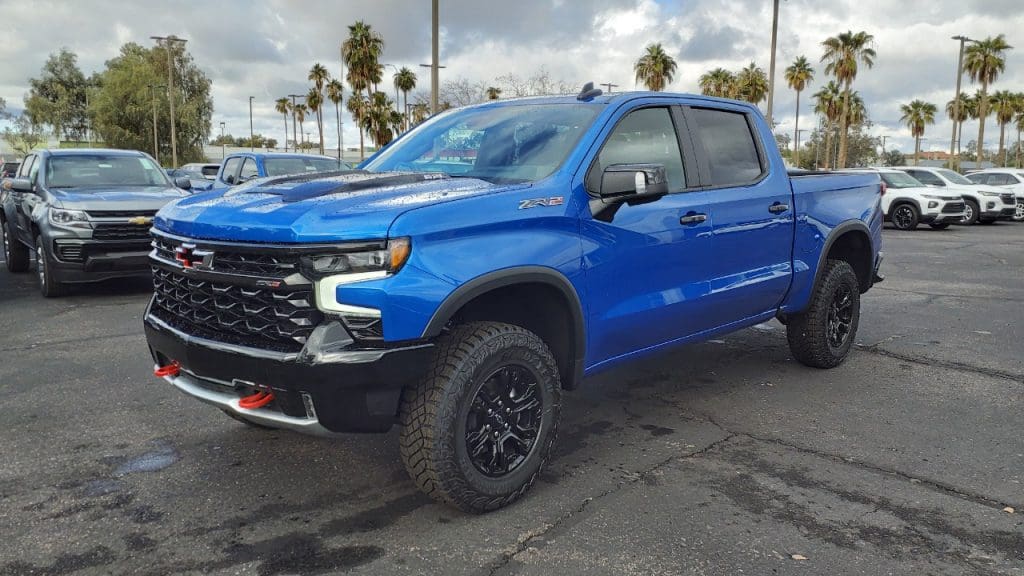
The Chevrolet Silverado has been a staple in the truck market for years, but it isn’t immune to cold-weather problems. Models from the late 2000s and early 2010s have been reported to experience transmission issues when temperatures plummet. This is mainly due to the cold affecting the transmission fluid, causing it to thicken and lead to shifting problems.
Additionally, the Silverado’s fuel system can also be problematic in freezing weather, with fuel lines potentially freezing and leading to stalling issues. These challenges make the Silverado a truck that requires extra care and attention during the harsh winter months.
RAM 1500

The RAM 1500 is another truck that has a hard time holding up in extreme cold. Models from the early 2010s often face issues with their suspension systems, which are prone to stiffness and reduced performance in low temperatures. This can lead to a rough and uncomfortable ride, especially on icy roads.
Cold weather can also affect the RAM 1500’s engine performance, with many owners reporting engine misfires and reduced fuel efficiency during the winter months. These issues can be frustrating for those relying on their truck for daily commutes in cold climates.
Toyota Tundra
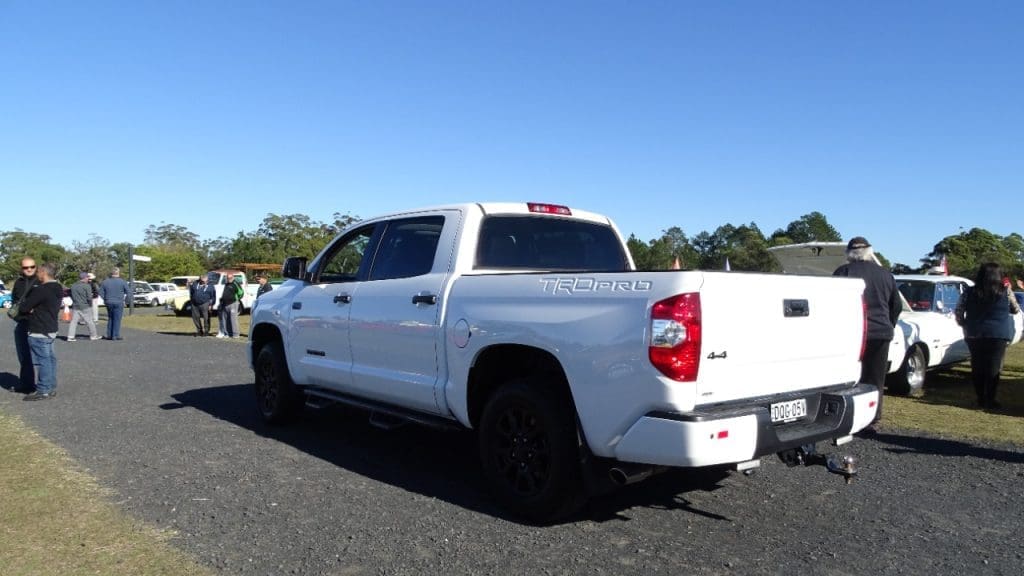
The Toyota Tundra, known for its durability, surprisingly struggles in extreme cold. Models from the early 2010s have been noted for their sluggish performance in low temperatures, primarily due to issues with the truck’s fuel pump and battery. Cold weather can exacerbate these problems, leading to starting difficulties and power loss.
The Tundra’s cabin also tends to lack adequate insulation, making it challenging to maintain a comfortable interior temperature during frigid weather. This can be a significant downside for those using their truck in regions with harsh winters.
GMC Sierra
The GMC Sierra, much like its cousin the Silverado, has been reported to have difficulty coping with freezing temperatures. Owners of models from the late 2000s have commonly experienced problems with the truck’s electrical system, which can lead to issues with the starter and alternator in cold weather.
Moreover, the Sierra’s fuel and exhaust systems are also prone to freezing, potentially leading to costly repairs. These factors make the Sierra a truck that might not withstand the rigors of a harsh winter without frequent maintenance.
Nissan Titan
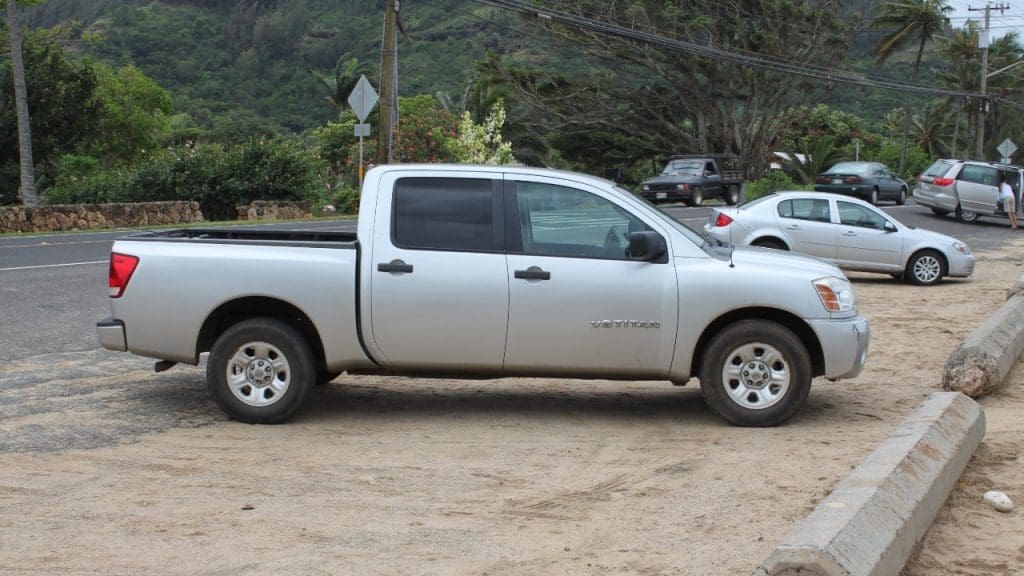
The Nissan Titan has often faced criticism for its performance in cold conditions. Models from the mid-2010s are particularly known for having issues with their heating systems, which can leave drivers shivering during the winter months. Additionally, the Titan’s engine components are susceptible to cold-induced wear and tear.
Besides, the Titan’s battery life tends to diminish quickly in freezing temperatures, leading to a higher likelihood of battery failure. Such issues make the Titan a less reliable option for those living in areas where extreme cold is a regular occurrence.
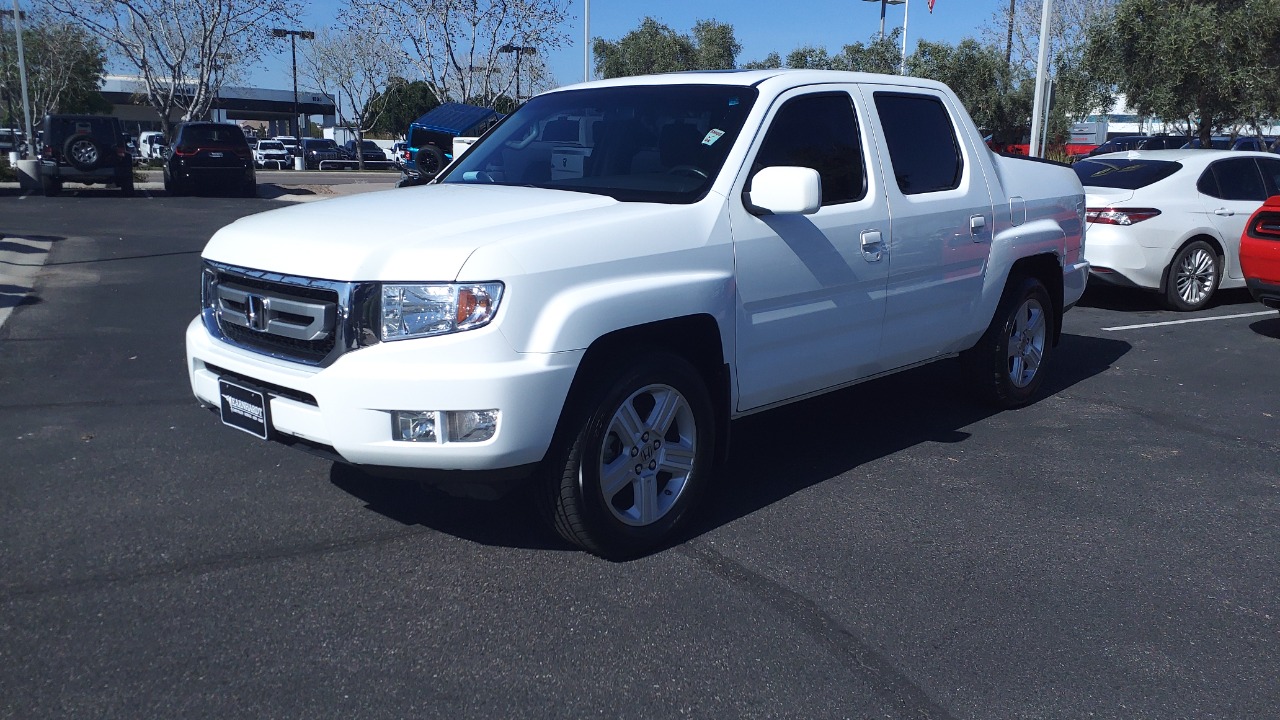
Honda Ridgeline
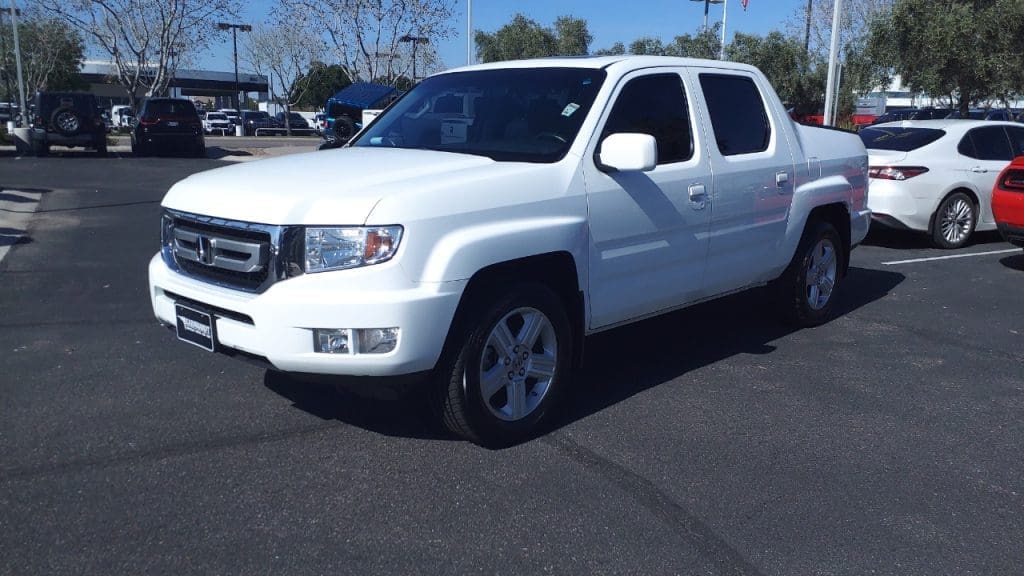
While the Honda Ridgeline is praised for its car-like comfort, it doesn’t fare as well in extreme cold. Models from the early 2010s often suffer from issues with their all-wheel-drive systems, which can become unreliable in icy conditions. This can lead to traction problems, making winter driving a challenge.
Additionally, the Ridgeline’s climate control system has been reported to underperform in severe cold weather, leaving the interior of the truck uncomfortably cold. Such drawbacks make the Ridgeline less appealing for those needing a dependable vehicle in sub-zero temperatures.