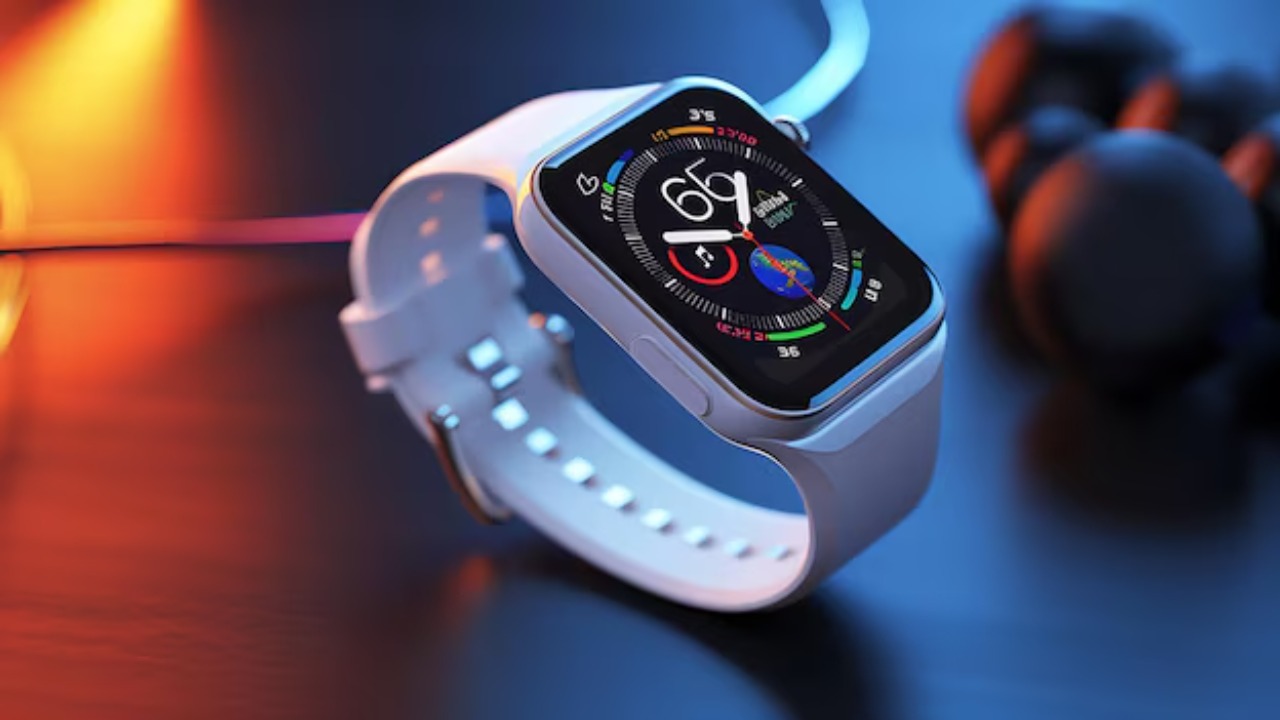

Military bases are zones of high security where the integrity and confidentiality of information are paramount. With evolving technology, certain devices pose significant security risks and are therefore prohibited. Here is a list of seven common devices that are typically banned on military bases to maintain operational security and safety.
1. Smartphones

Smartphones are ubiquitous in our daily lives, but their presence on military bases is often restricted. These devices are equipped with cameras, GPS, and internet connectivity, making them a potential threat to security protocols. For instance, a simple photo taken on a base and shared online can inadvertently reveal sensitive information.
Moreover, apps like TikTok have raised debate over privacy concerns and data harvesting, leading to increased caution regarding smartphone use on military installations. As a precaution, personnel are often required to use base-issued communications devices that are secured against such vulnerabilities.
2. Smartwatches
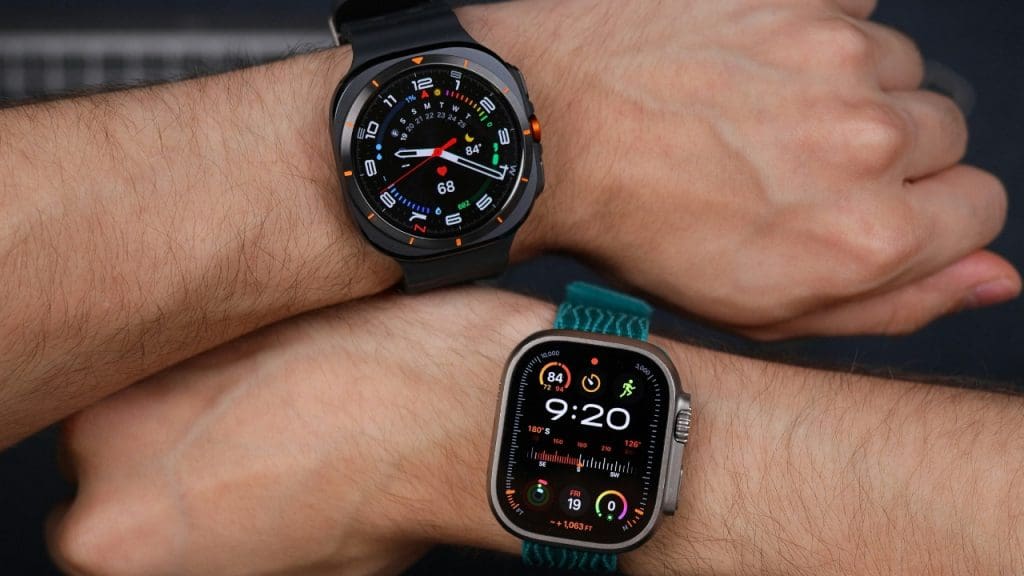
Smartwatches, while convenient, are also restricted on military bases due to their ability to record audio and track location data. This data can be exploited to monitor troop movements or even disclose deployment timelines. In certain cases, the use of fitness tracking features has inadvertently mapped out base layouts and patrol routes.
The military’s stance on smartwatches is a part of a broader prohibition on portable electronic devices in areas with classified materials. This ensures that sensitive information remains secure from external threats.
3. Drones
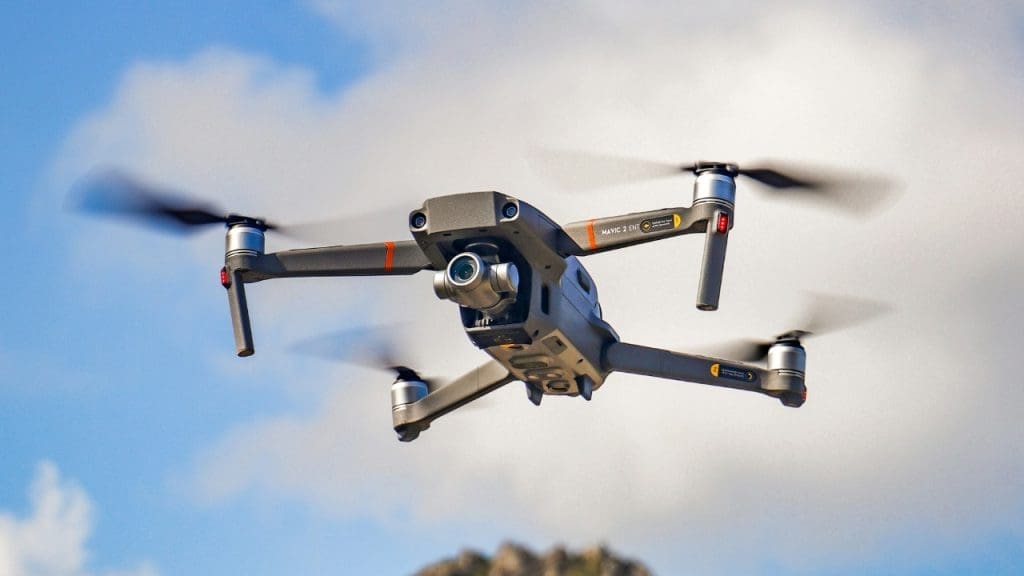
Drones have become a popular gadget for hobbyists, but their use on military bases is strictly controlled. These devices can capture high-resolution images and videos from above, posing a significant surveillance risk. Unauthorized drone flights can compromise security protocols and reveal the layout of the base.
Regulations are in place to restrict civilian drone flights near military zones, and any exception typically requires special clearance. This policy helps prevent potential espionage activities and protects sensitive military operations from being exposed to adversaries.
4. Personal Laptops

While laptops are essential for work and communication, personal laptops are often banned on military bases to prevent unauthorized access to sensitive networks. Infected devices could introduce malware or viruses that compromise the network’s security, making it vulnerable to cyberattacks.
Personnel are usually provided with government-issued laptops that are equipped with enhanced security features. These devices are configured to meet specific security standards, ensuring safe and secure access to necessary information and resources.
5. Wearable Cameras

Wearable cameras, such as GoPros, are restricted on military bases due to their capability to capture and transmit video footage. Such recordings could unintentionally disclose strategic operations or classified locations, compromising the security of the base.
The military’s policy on wearable cameras reflects its commitment to maintaining operational secrecy and protecting the infrastructure from potential threats. Unauthorized recordings can lead to severe consequences, including disciplinary actions for the personnel involved.
6. USB Storage Devices
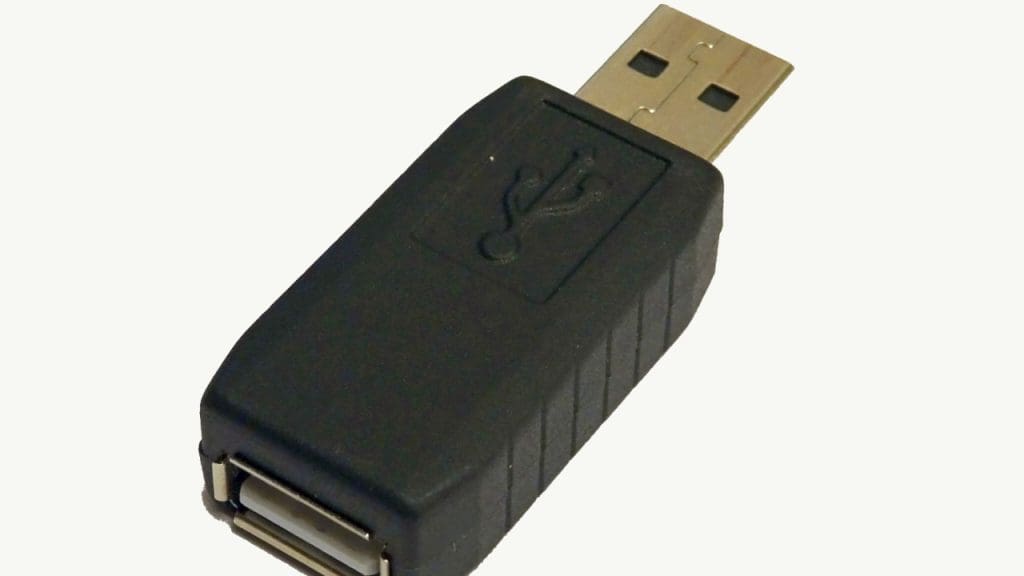
USB storage devices, though small and portable, are considered a significant security risk on military bases. These devices can easily transfer large volumes of data, making them a potential tool for data breaches. In 2008, a massive breach occurred when malware was introduced via a USB drive, leading to an operational standstill.
To mitigate these risks, military installations enforce strict controls on the use of USB devices. This includes disabling USB ports on computers in sensitive areas and employing secure alternatives for data transfer to prevent unauthorized access.
7. Bluetooth Speakers

Bluetooth speakers, while popular for personal entertainment, are often banned on military bases due to their potential to intercept communications. These devices can be used to eavesdrop on confidential discussions if not properly managed.
The military’s restriction on Bluetooth devices is part of broader measures to secure communications and protect against unintended data leaks. Personnel are encouraged to use approved communication devices that comply with security protocols, ensuring the integrity of military operations at all times.