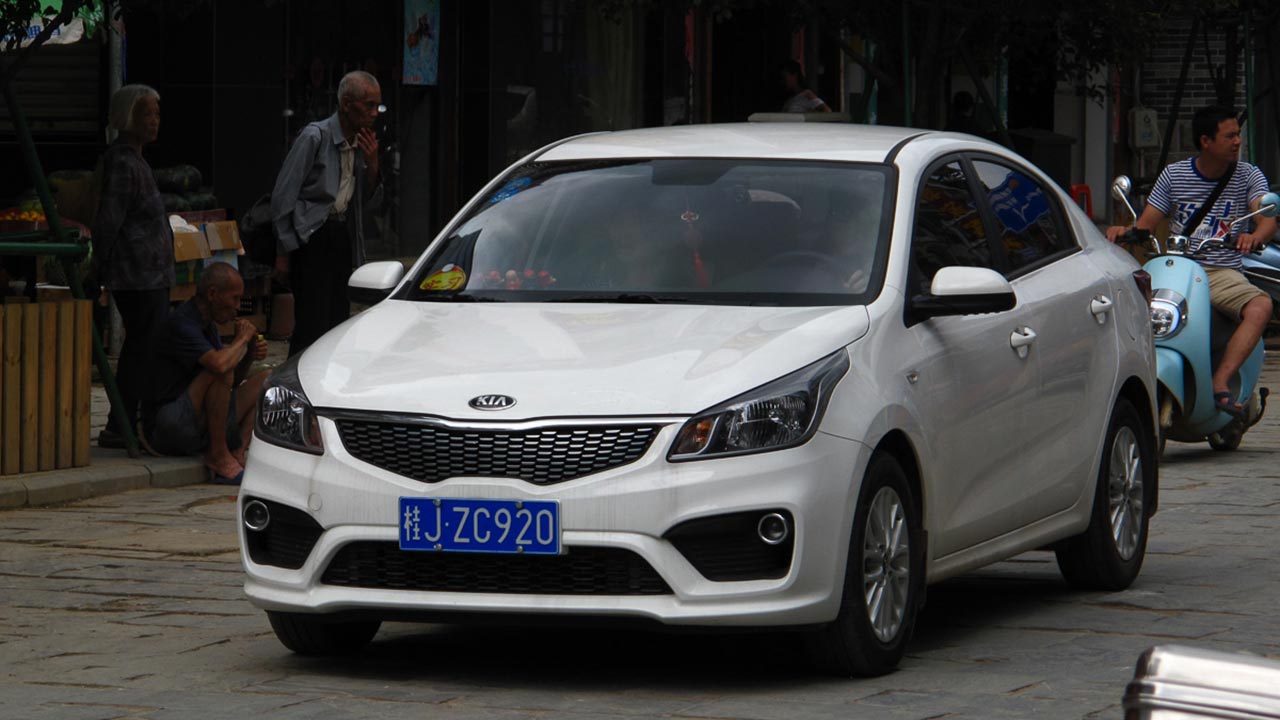

In a rapidly evolving automotive market, even newer SUV models face the chopping block as manufacturers pivot to meet changing consumer demands, regulatory standards, and technological advancements. Below, I delve into nine SUVs that, despite their relatively recent introductions, are already being discontinued. Let’s explore what led to their early exits from the market.
Ford EcoSport
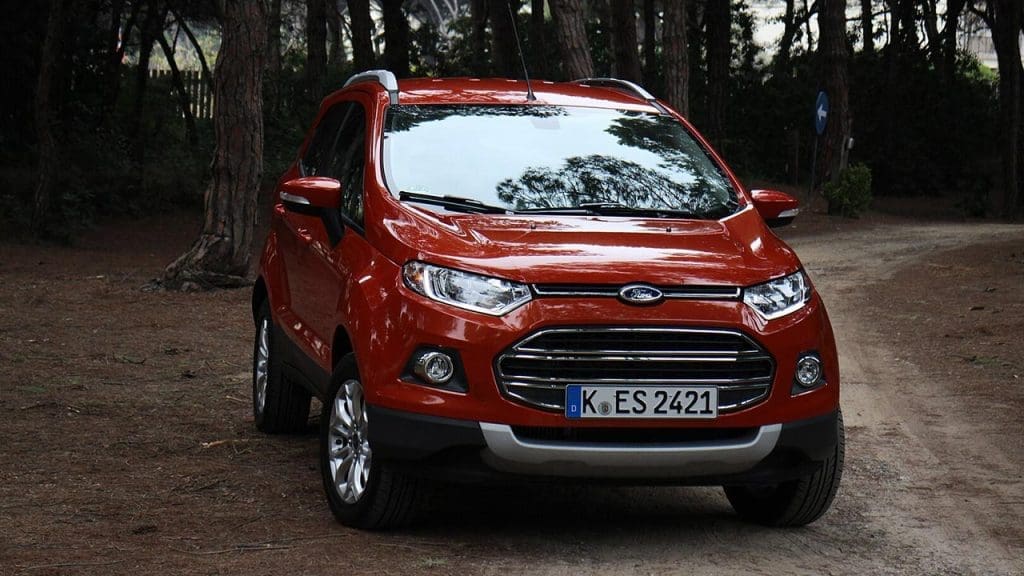
The Ford EcoSport was once a promising entry in the subcompact SUV segment. Known for its compact size and affordable price, it aimed to cater to urban dwellers seeking practicality and efficiency. However, the competition in the subcompact SUV market has intensified, leading Ford to discontinue the EcoSport in favor of more popular models. Recent shifts in consumer preferences towards larger, more versatile vehicles have further sealed its fate. The EcoSport will be remembered for its unique rear-door swing and practical features, but it couldn’t keep pace with the evolving landscape.
Despite its discontinuation, the EcoSport has left a mark with its affordable pricing and city-friendly dimensions. While it offered a decent ride with commendable fuel efficiency, the lack of significant upgrades in recent years caused it to lag behind its rivals. Ford’s strategic shift towards electric vehicles further contributed to the decision, as the company aims to focus resources on more promising prospects.
Chevrolet Trax
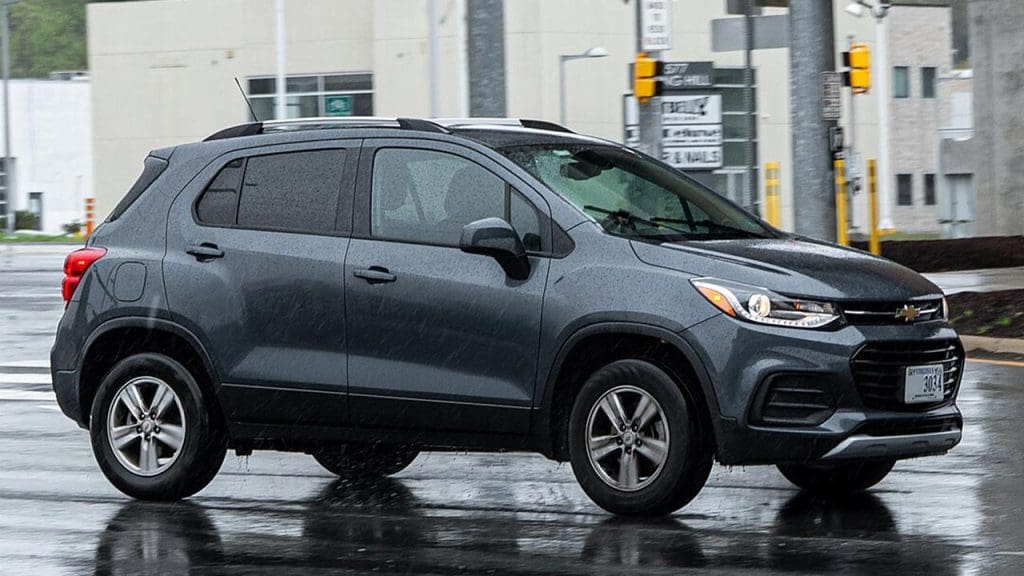
The Chevrolet Trax, introduced to the U.S. market in 2015, was Chevrolet’s answer to the growing demand for compact SUVs. Its affordable price and compact size made it a popular choice for city dwellers looking for a practical yet stylish vehicle. However, as competition grew fiercer, the Trax struggled to stand out in a saturated market. Chevrolet’s decision to discontinue the model can be attributed to a strategic shift towards vehicles that offer more advanced features and technologies.
Despite its discontinuation, the Trax played a pivotal role in Chevrolet’s lineup for years. With its competitive pricing and urban-friendly design, it attracted a loyal customer base. However, with the emergence of newer models offering enhanced connectivity, safety features, and performance, Chevrolet decided to focus on models that align better with future market trends. For those interested in budget-friendly SUVs, the Trax remains a notable mention in the compact SUV landscape.
Honda HR-V
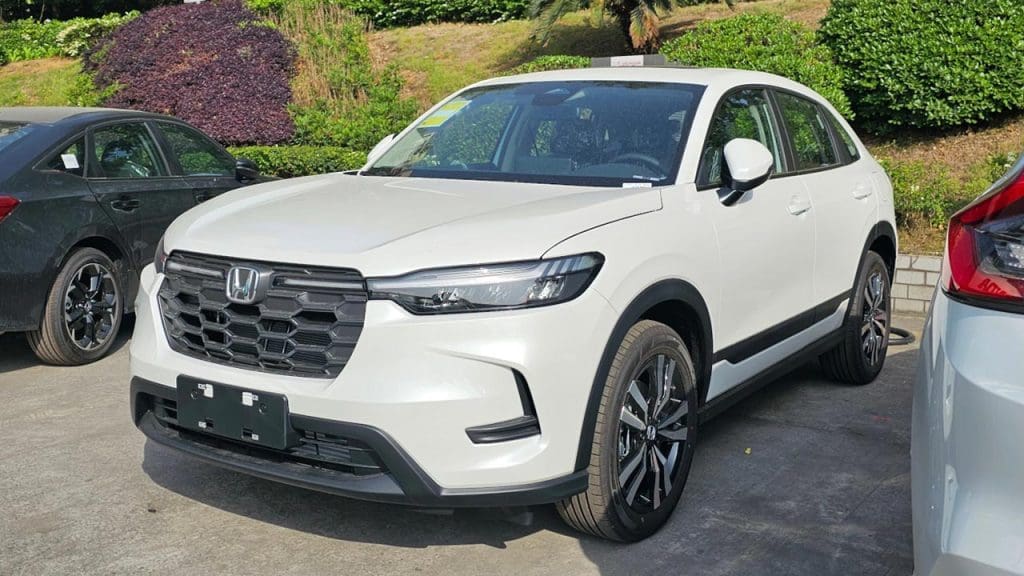
The Honda HR-V, known for its versatility and reliability, was a favorite among compact SUV enthusiasts. However, the evolving market demands for more technologically advanced and environmentally friendly vehicles led to the HR-V’s discontinuation. Honda is redirecting its efforts towards electrification, which means saying goodbye to some of its traditional models. The HR-V’s departure marks a shift in focus as Honda gears up for a sustainable future.
While the HR-V is stepping away from the spotlight, Honda fans can look forward to the brand’s upcoming innovations. The HR-V’s legacy of practicality and comfort will not be forgotten, as Honda continues to emphasize similar attributes in its future SUV offerings. The HR-V’s discontinuation highlights the industry’s broader transition towards more sustainable and tech-driven vehicles.
Nissan Rogue Sport

Introduced as a smaller alternative to the popular Nissan Rogue, the Rogue Sport initially carved out its niche in the compact SUV segment. Despite its initial promise, it failed to gain significant traction in a market crowded with alternatives offering more space and features. Nissan’s decision to discontinue the Rogue Sport is part of a broader strategy to streamline its SUV lineup and focus on core models that resonate more with consumers.
The Rogue Sport’s discontinuation underscores the competitive nature of the SUV market. While it offered a comfortable ride and a decent array of features, it couldn’t compete with more innovative rivals. As Nissan moves towards a more focused lineup, the Rogue Sport’s exit allows the brand to allocate resources towards enhancing its flagship models and exploring new technologies.
Buick Encore
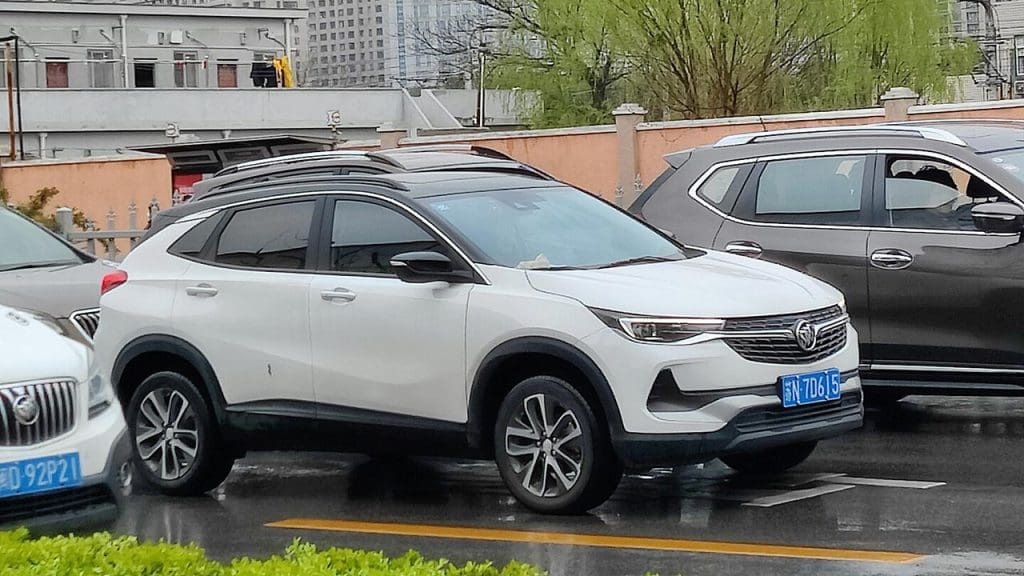
The Buick Encore’s compact luxury appeal attracted many buyers looking for a premium experience in a smaller package. However, the rise of more technologically advanced and spacious competitors has prompted Buick to discontinue this model. The Encore’s departure aligns with Buick’s strategy to concentrate on models that promise a higher return on investment and align with shifting market demands.
The Encore’s legacy lies in its blend of luxury and practicality, making it a popular choice among urban drivers. Despite its discontinuation, the Encore remains a noteworthy option for those seeking a compact luxury vehicle at a reasonable price. Buick’s decision signals a shift towards larger SUVs and crossovers that offer more space and advanced features.
Toyota C-HR
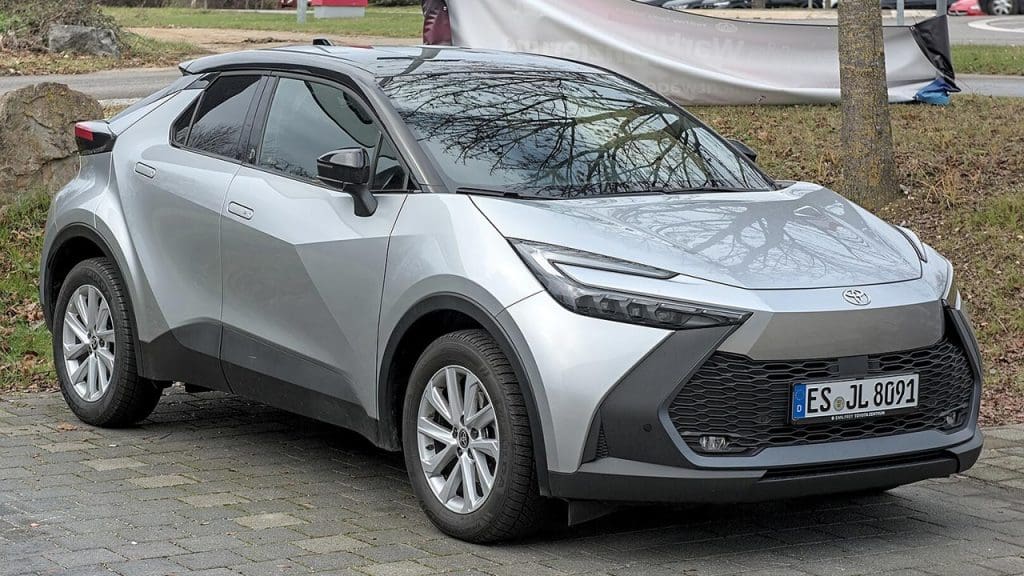
The Toyota C-HR, with its distinctive styling and agile handling, was designed to appeal to younger buyers seeking a sporty yet practical vehicle. Despite its initial appeal, the C-HR faced stiff competition from rivals offering more space and advanced technology. Toyota’s decision to phase out the C-HR reflects a strategic pivot towards electrification and models with broader market appeal.
While the C-HR exits the lineup, Toyota continues to innovate with models that cater to evolving consumer preferences. The C-HR’s unique design and engaging driving experience will be remembered, but the brand’s focus is now on developing more sustainable and tech-focused vehicles. As Toyota embraces a future driven by electrification, the C-HR’s departure paves the way for new opportunities and innovations.
Mazda CX-3
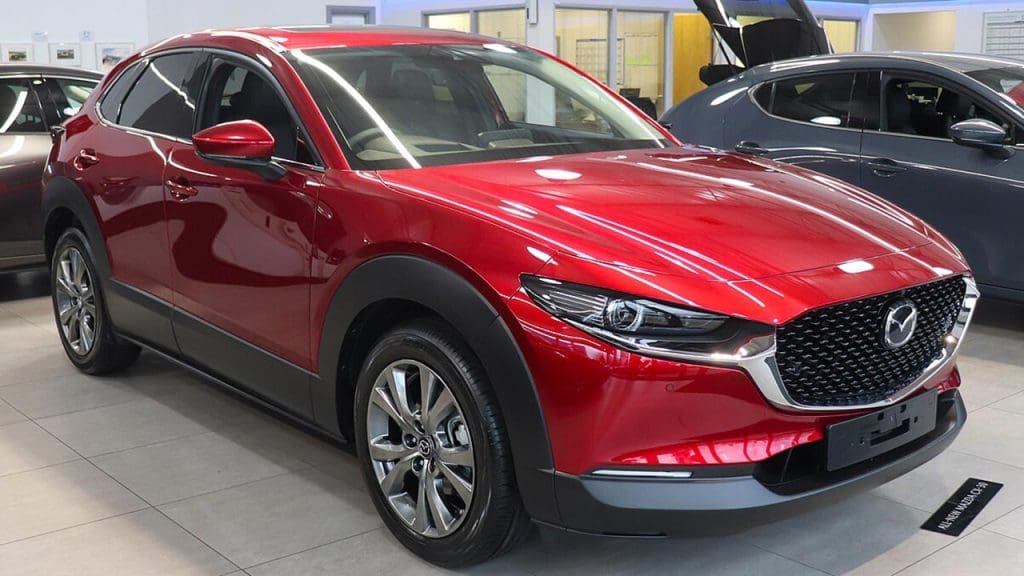
The Mazda CX-3, known for its sporty handling and stylish design, was a popular choice among compact SUV enthusiasts. However, the introduction of the larger CX-30 and shifting consumer preferences led to the CX-3’s discontinuation. Mazda’s decision is part of a broader strategy to streamline its lineup and focus on models that offer more space and advanced features.
The CX-3’s departure highlights the competitive nature of the compact SUV market. While it offered a fun driving experience and a sleek design, it couldn’t keep up with newer models offering more space and technology. As Mazda looks to the future, the focus is on enhancing its core models and exploring new technologies that align with changing consumer demands.
Hyundai Kona Electric
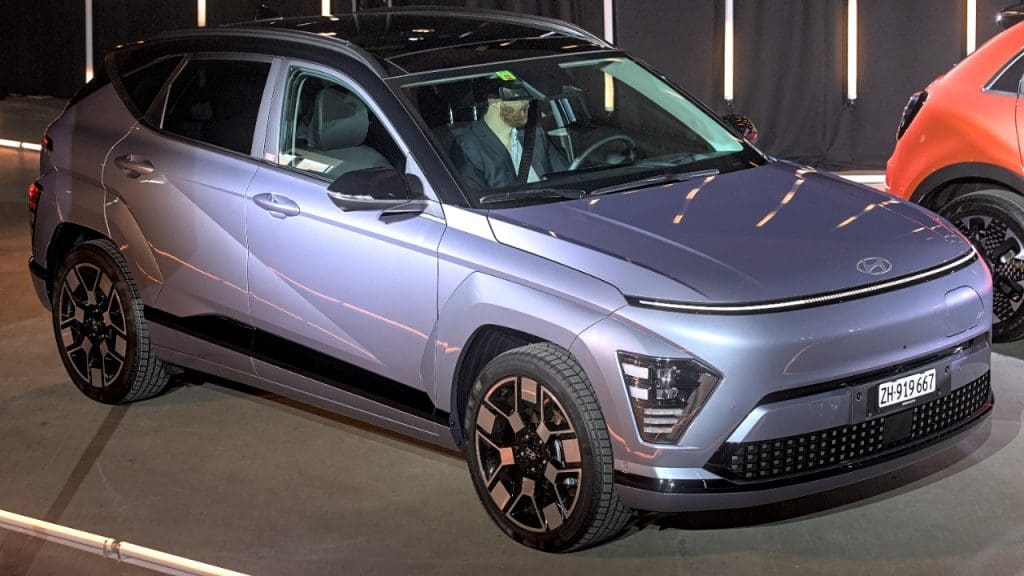
The Hyundai Kona Electric was a pioneer in the affordable electric SUV segment, offering impressive range and features at a competitive price. Despite its initial success, Hyundai has opted to discontinue the Kona Electric as it shifts focus towards newer, more advanced electric models. This decision aligns with Hyundai’s broader electrification strategy, which aims to deliver cutting-edge technology and design across its lineup.
The Kona Electric’s discontinuation marks a significant step in Hyundai’s journey towards a sustainable future. While it paved the way for more accessible electric vehicles, the brand is now focusing on delivering next-generation models that offer enhanced range, performance, and technology. As Hyundai continues to innovate, consumers can expect an exciting array of electric vehicles that push the boundaries of what’s possible.
Volvo V60 Cross Country
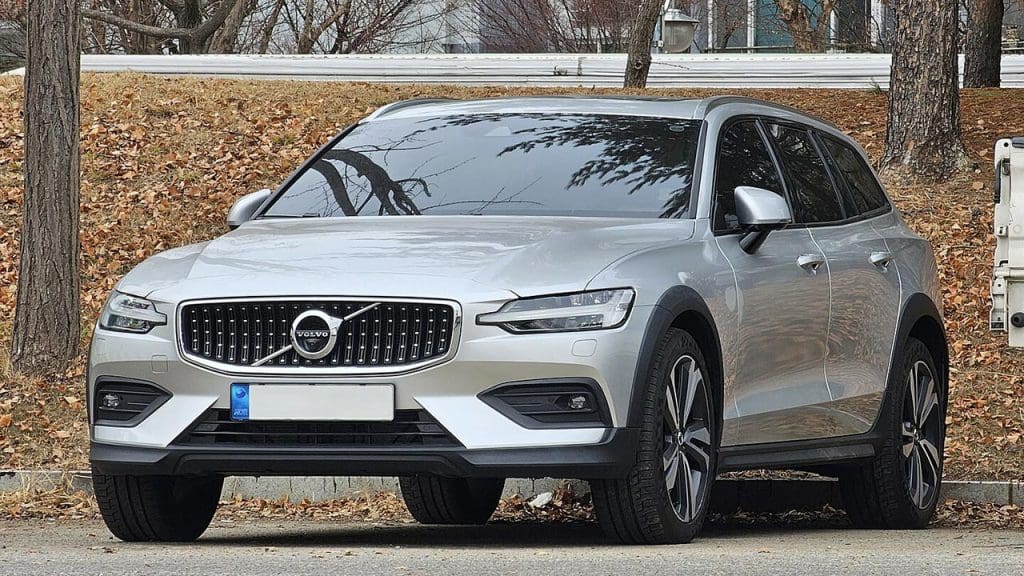
The Volvo V60 Cross Country, with its rugged design and luxurious interior, was aimed at buyers seeking a blend of adventure and refinement. Despite its appeal, Volvo has chosen to discontinue this model as part of a broader strategy to concentrate on electric vehicles and models with higher demand. The V60 Cross Country’s departure signals a shift in focus towards sustainability and innovation.
Volvo’s decision reflects the brand’s commitment to electrification and its ambition to become a leader in sustainable mobility. While the V60 Cross Country exits the lineup, Volvo’s future offerings promise to deliver the same level of luxury and performance, with an added emphasis on environmental responsibility. As the brand embraces a new era of automotive innovation, consumers can look forward to exciting developments that redefine luxury and sustainability.