
Driving in snowy conditions demands more from a vehicle than just good looks or a powerful engine. While SUVs are often marketed as capable all-weather vehicles, not all are up to the task when the snow starts to fall. Below is a list of SUVs that have shown to struggle in the snow, making them less than ideal for winter driving.
Compact City SUV
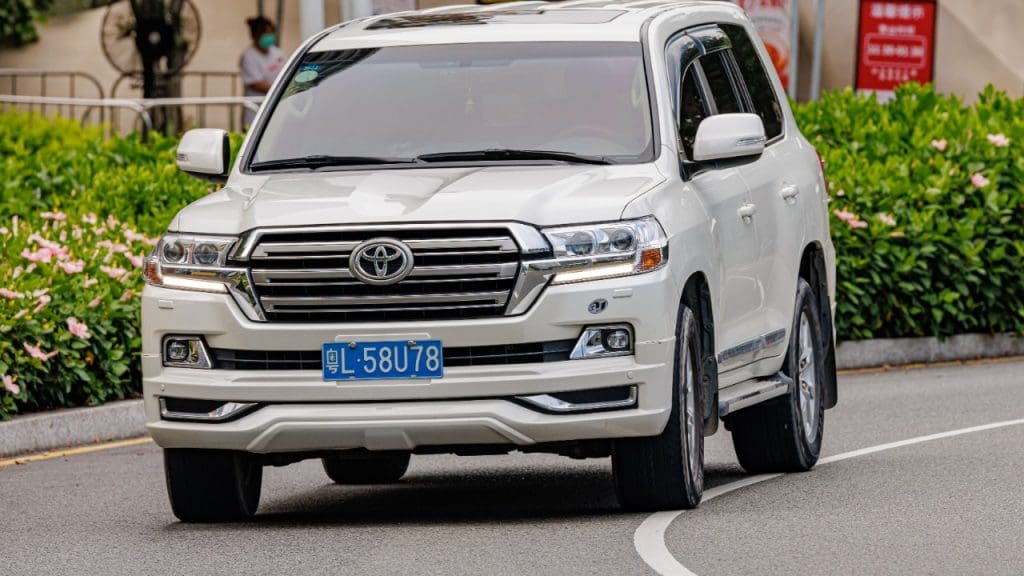
Compact city SUVs, like the 2022 Toyota C-HR, are perfect for urban environments but can falter in snowy conditions. Their lightweight frames and smaller tires often struggle to provide the necessary traction in snow and ice. While they offer good fuel efficiency and easy maneuverability, these features don’t translate well when facing winter’s challenges.
If you’re considering a compact SUV for city driving, it might be wise to evaluate whether occasional snowstorms will impact your daily routine. Vehicles like these often lack the all-wheel-drive systems that enhance snow handling.
Basic Economy SUV
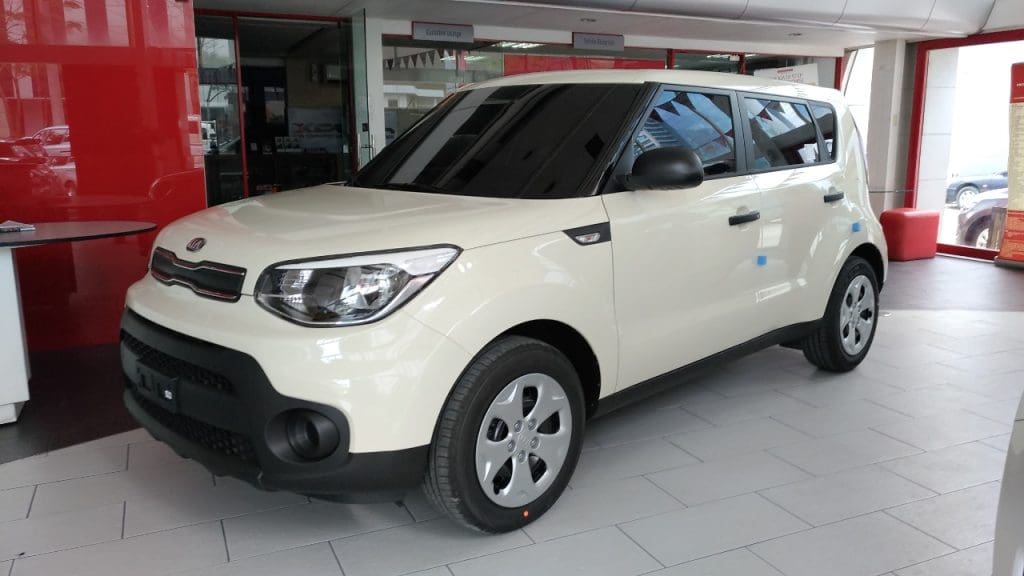
Basic economy SUVs, such as the 2023 Kia Soul, are popular for their affordability and practicality. However, these vehicles often come with compromises in performance, particularly in snowy conditions. Their budget-friendly design usually means they lack advanced traction control systems or all-wheel drive.
While they perform adequately in urban settings and mild weather, basic economy SUVs can be a risky choice for areas with frequent snowfall. Consider investing in winter tires if you choose to drive one of these in snow-prone regions.
Sport-Tuned Performance SUV
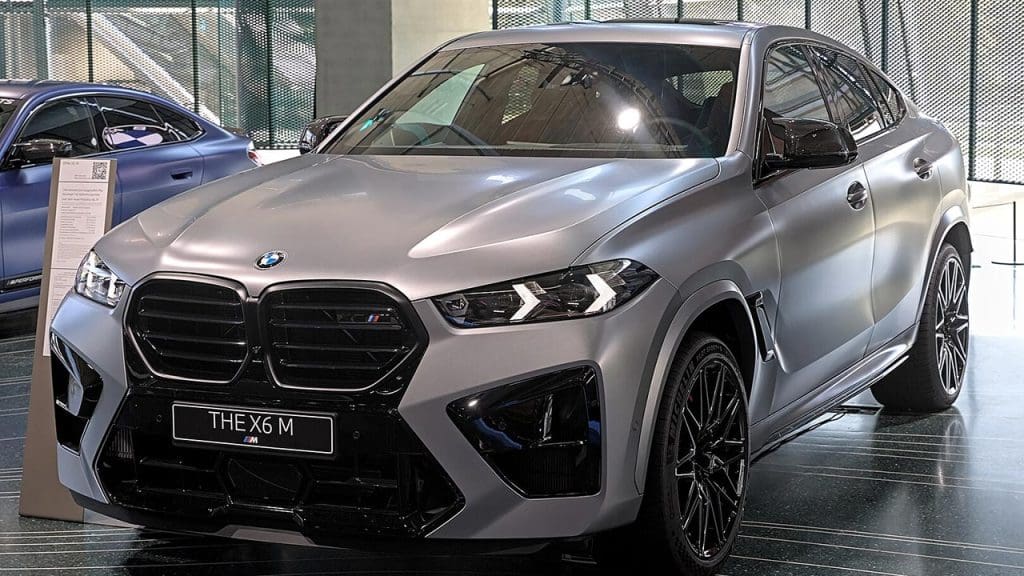
Sport-tuned SUVs, like the 2023 BMW X6 M, are built for speed and performance on dry roads, not for tackling snow-covered surfaces. Their low-profile tires and firm suspension systems are optimized for handling and speed, which can be a disadvantage in winter conditions.
Their power is undeniable on a clear road, but when winter hits, these vehicles often lack the necessary features to maintain control on ice and snow. If winter driving is a concern, a sport-tuned performance SUV might not be the best choice.
Low-Profile Luxury SUV
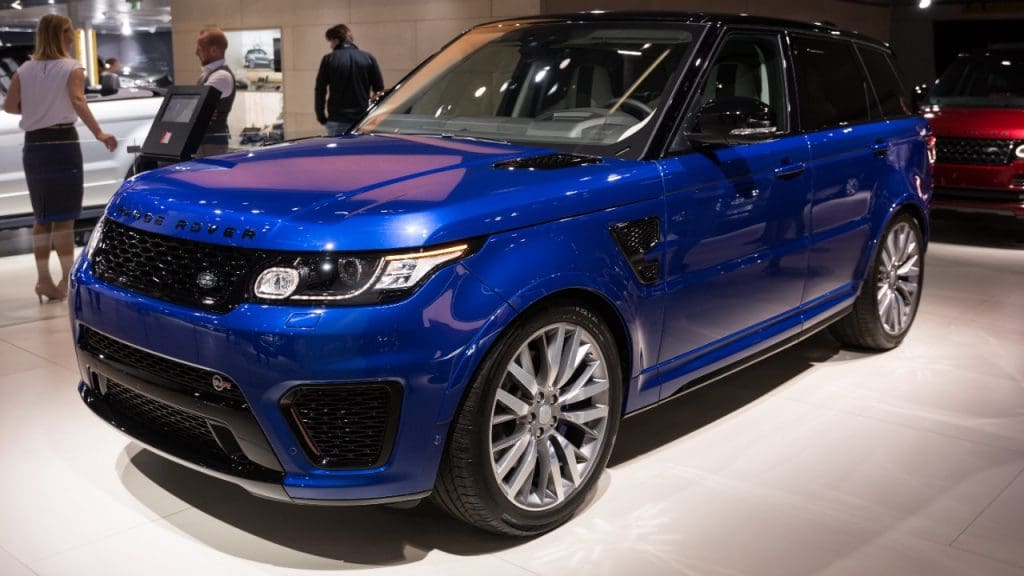
Luxury SUVs such as the 2023 Range Rover Velar often feature sleek designs with low-profile tires. While they offer an opulent driving experience, their design choices can be problematic in snow. Low-profile tires lack the grip needed for snowy conditions, and the vehicles’ weight distribution may not favor winter driving.
These vehicles often prioritize aesthetics and comfort over winter resilience, making them a less practical option for snow-heavy climates. Their high cost also discourages risky winter driving without significant performance upgrades.
Lightweight Hybrid SUV
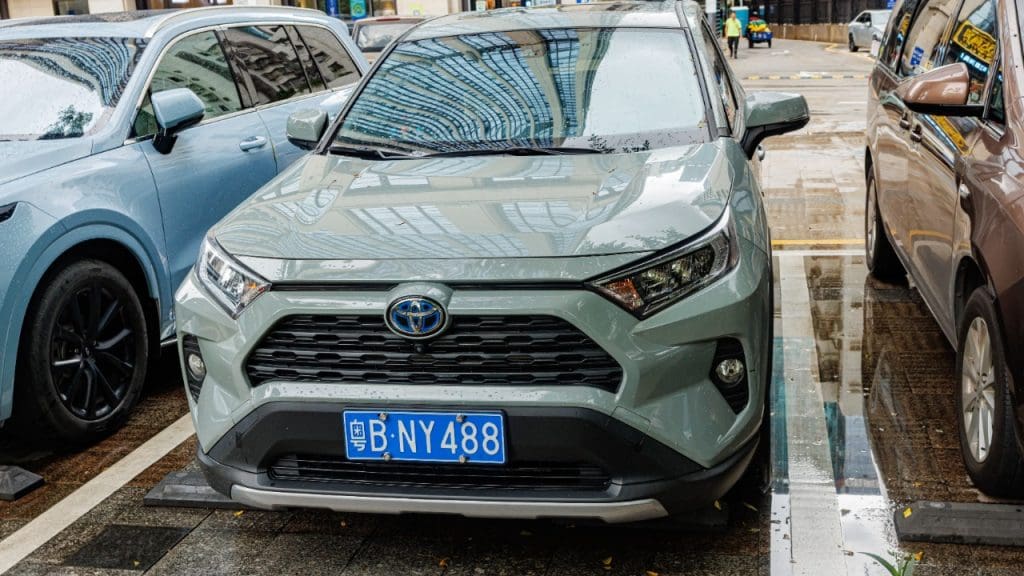
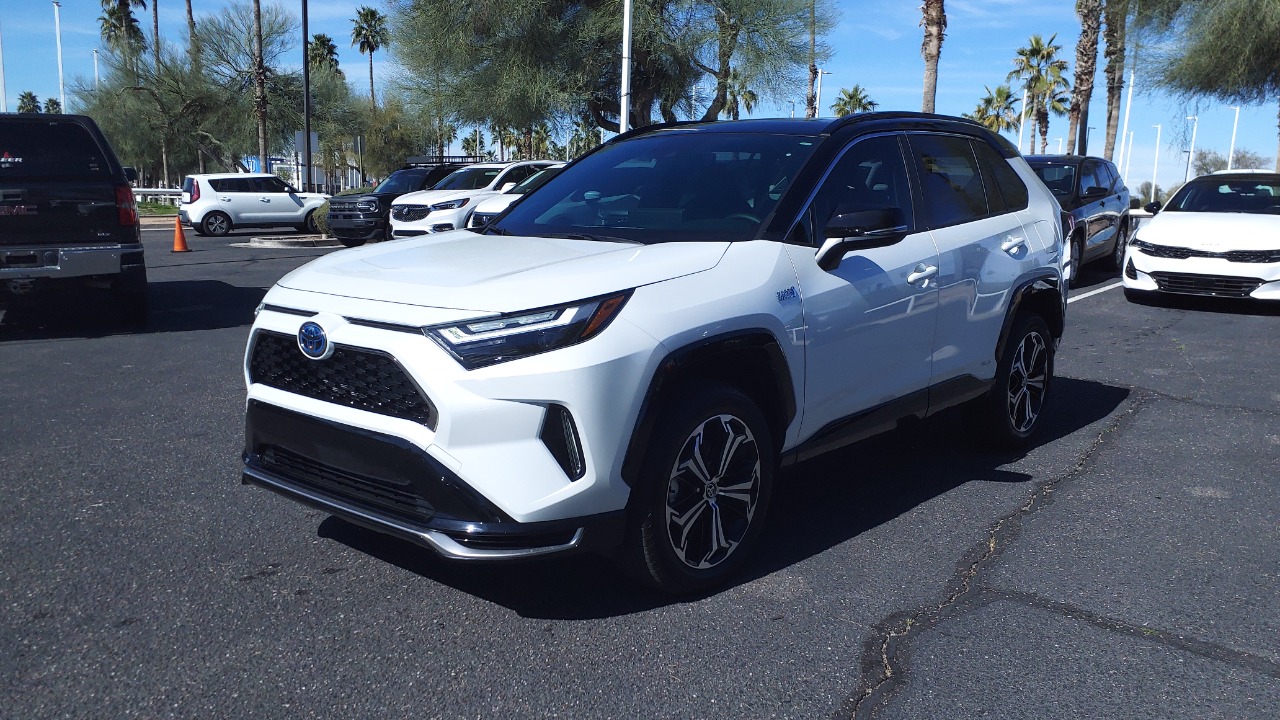
The 2023 Toyota RAV4 Hybrid is an example of a lightweight hybrid SUV that may not be suited for snowy weather. While hybrids are praised for their fuel efficiency and eco-friendliness, they often lack the weight and traction necessary to navigate snowy terrain effectively.
The lighter construction, though beneficial for fuel consumption, can lead to reduced stability and control on icy roads. If you live in an area with harsh winters, a more robust SUV with better snow-handling capabilities might be a wiser choice.
Rear-Wheel Drive SUV

Rear-wheel drive SUVs, like the 2022 Ford Mustang Mach-E, are built for different performance characteristics compared to all-wheel drive vehicles. While rear-wheel drive can offer excellent handling in dry conditions, it often struggles with traction in snow and ice.
The drive system is better suited for dry pavement, meaning these vehicles can become difficult to control in adverse weather. Opting for an all-wheel drive system can significantly improve winter performance.
Electric SUV with Limited Range
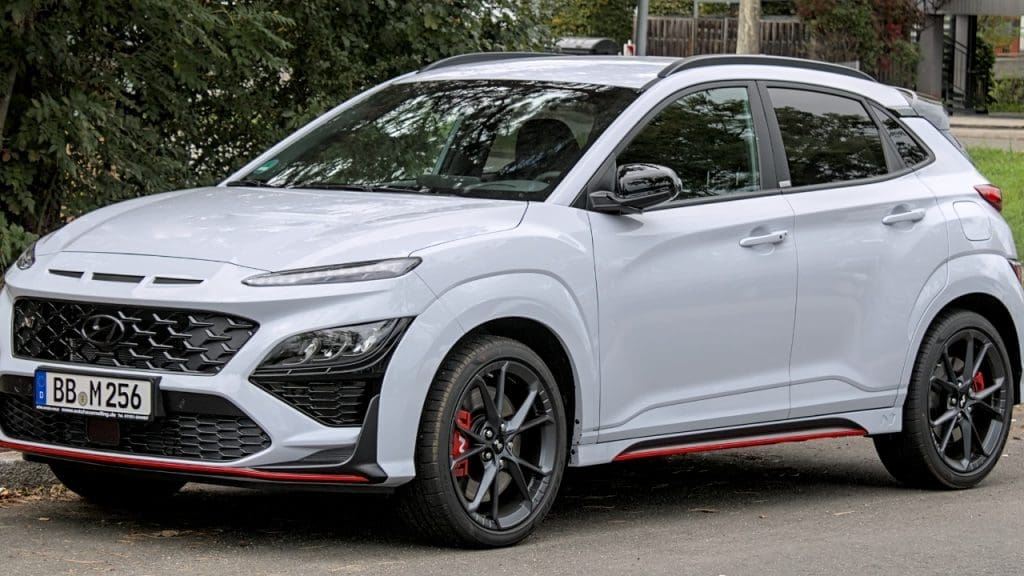
Electric SUVs such as the 2023 Hyundai Kona Electric offer a sustainable driving option, but their range limitations can be a concern in winter conditions. Cold weather can drastically reduce battery performance, leaving drivers stranded.
While electric vehicles continue to improve, they currently face challenges in providing reliable winter performance, particularly in areas with severe temperature drops. For those living in colder climates, it may be beneficial to consider a vehicle with a longer range or traditional powertrain.
Low-Ground Clearance SUV
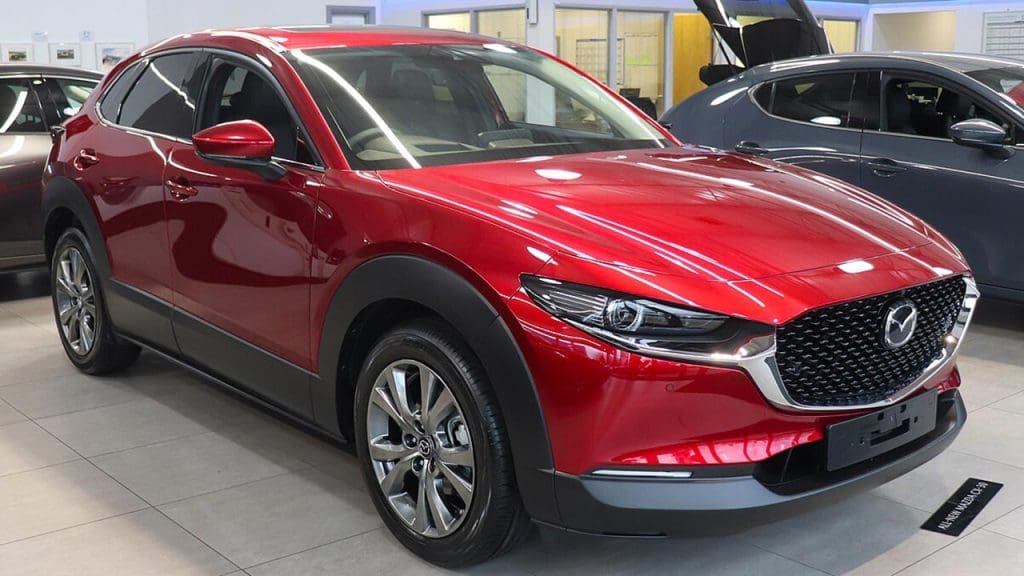
SUVs like the 2023 Mazda CX-30 with low ground clearance can struggle in deep snow. While they offer a smooth ride on paved roads, their lower stance can lead to undercarriage damage or getting stuck in snowdrifts.
For drivers in areas with heavy snowfall, considering a vehicle with higher ground clearance might be advisable. Increased ground clearance can help navigate snow-covered roads and avoid obstacles hidden beneath the snow.
Two-Wheel Drive Crossover
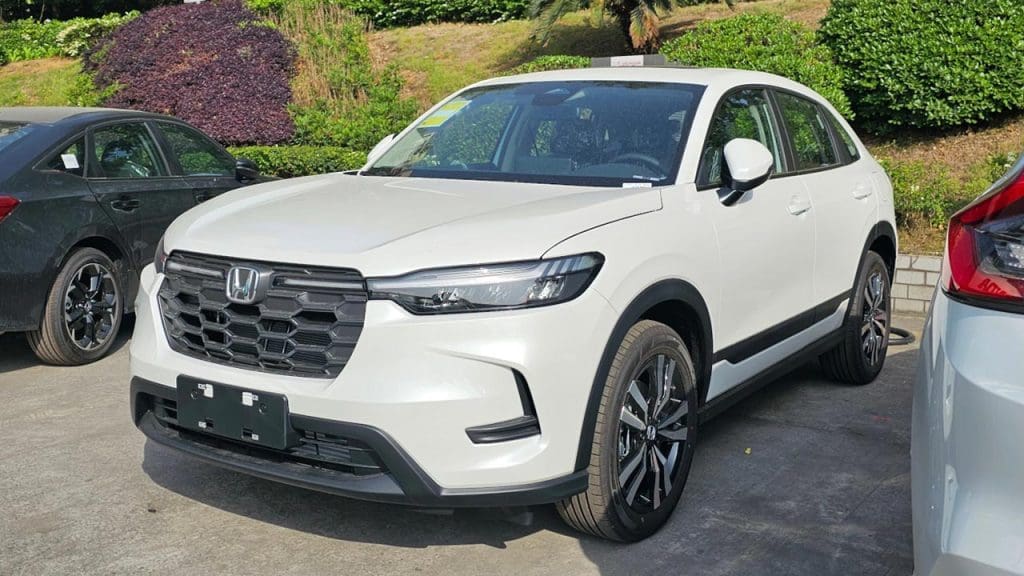
Two-wheel drive crossovers like the 2023 Honda HR-V are popular for their blend of car-like comfort and SUV utility. However, without all-wheel drive, they can struggle significantly in snow.
The absence of an all-wheel-drive system means these vehicles lack the necessary traction to handle slippery conditions effectively. If you live in a snow-prone area, upgrading to an all-wheel drive model could offer a safer winter driving experience.
Entry-Level SUV with Basic Features
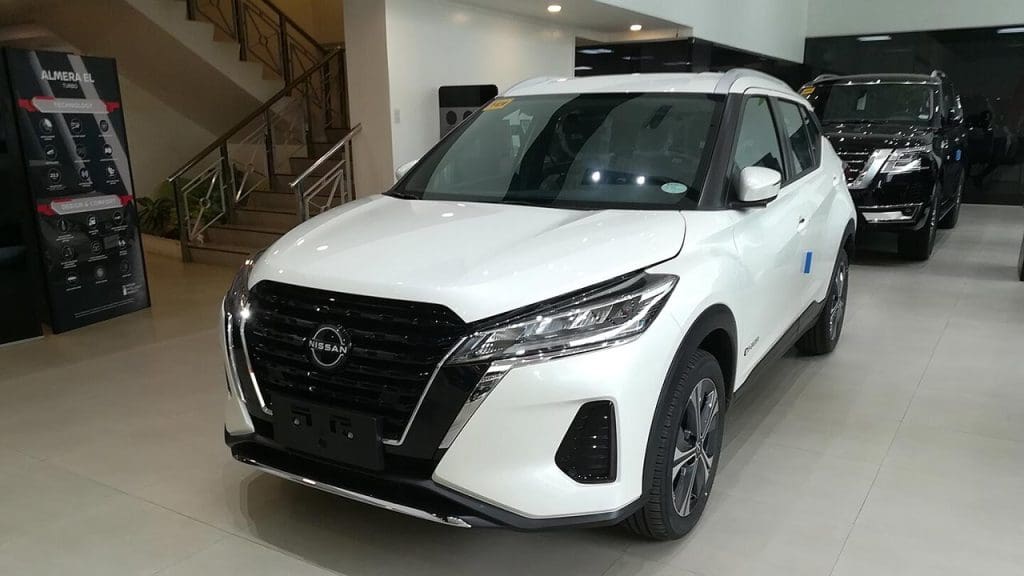
Entry-level SUVs such as the 2023 Nissan Kicks often come with basic features that may not include advanced winter driving aids. While affordable, these models can lack the necessary traction control and stability systems to handle snow and ice.
While they are an excellent option for budget-conscious buyers, those living in snowy climates might find these vehicles challenging during winter months. Enhancements like winter tires or added weight in the vehicle can offer some improvement in snowy conditions.