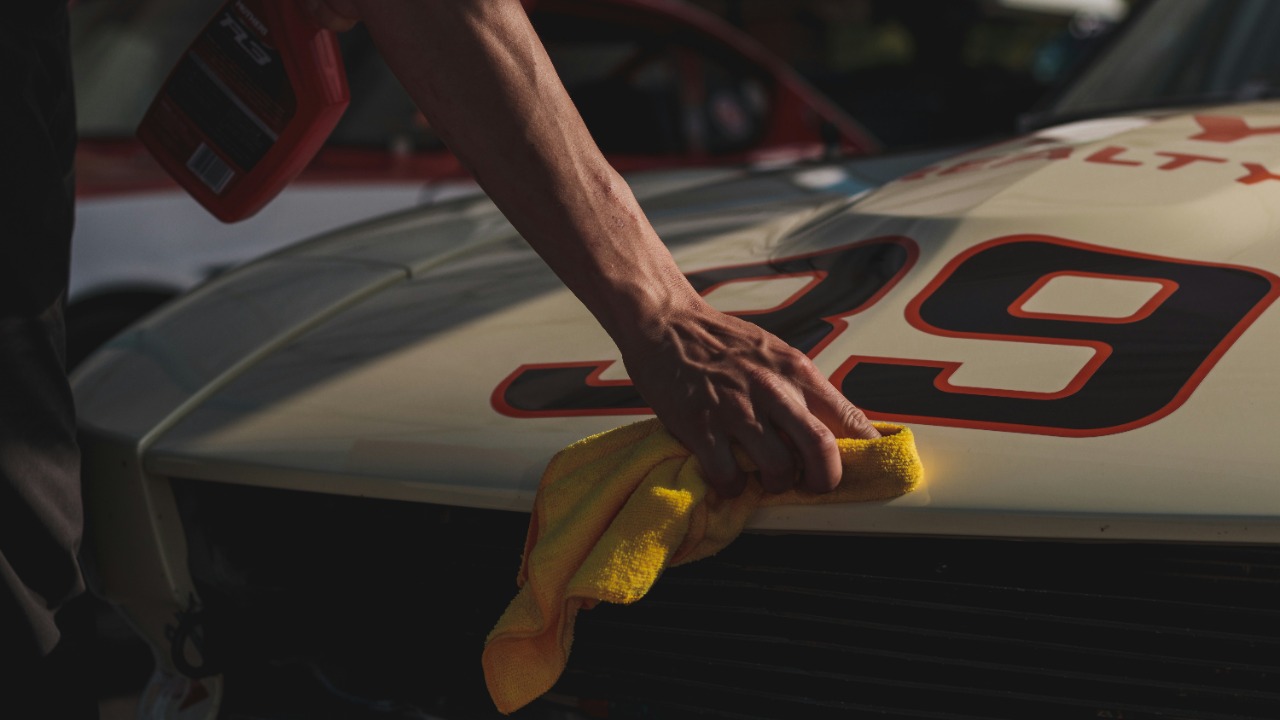

Car cleaning can often feel like a ritual, but not all practices are as effective as we might think. Many myths surrounding car maintenance persist, even though professionals have long debunked them. Here are some common car cleaning myths that mechanics often find amusing.
Dish Soap is a Perfect Substitute for Car Wash Soap
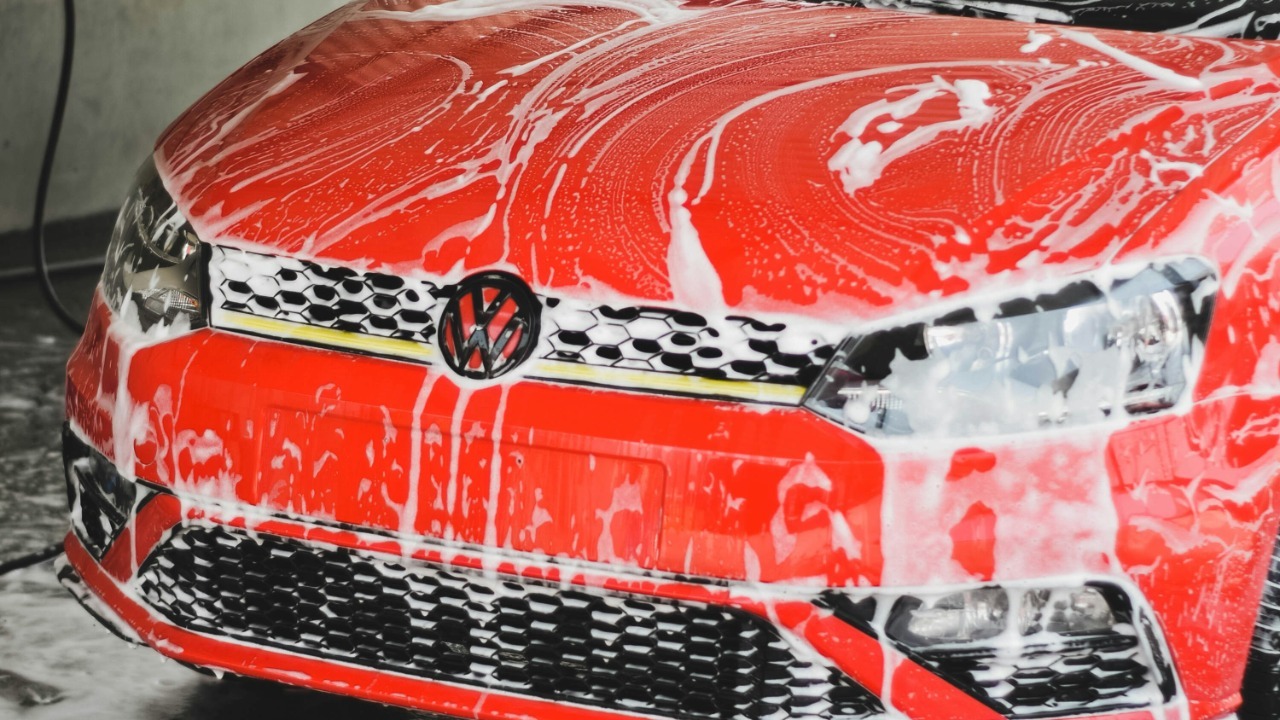
Many people believe that dish soap can act as an effective alternative to car wash soap. However, dish soap is designed to cut through grease and can strip away the protective wax on your car’s paint. Over time, this can lead to fading and damage. Using a soap specifically formulated for cars will help maintain the integrity of your vehicle’s paintwork.
Opt for a pH-balanced car wash soap that is designed to be gentle on paint while effectively removing dirt and grime. This small change can significantly impact the longevity of your car’s exterior.
Waxing a Car Once a Year is Enough
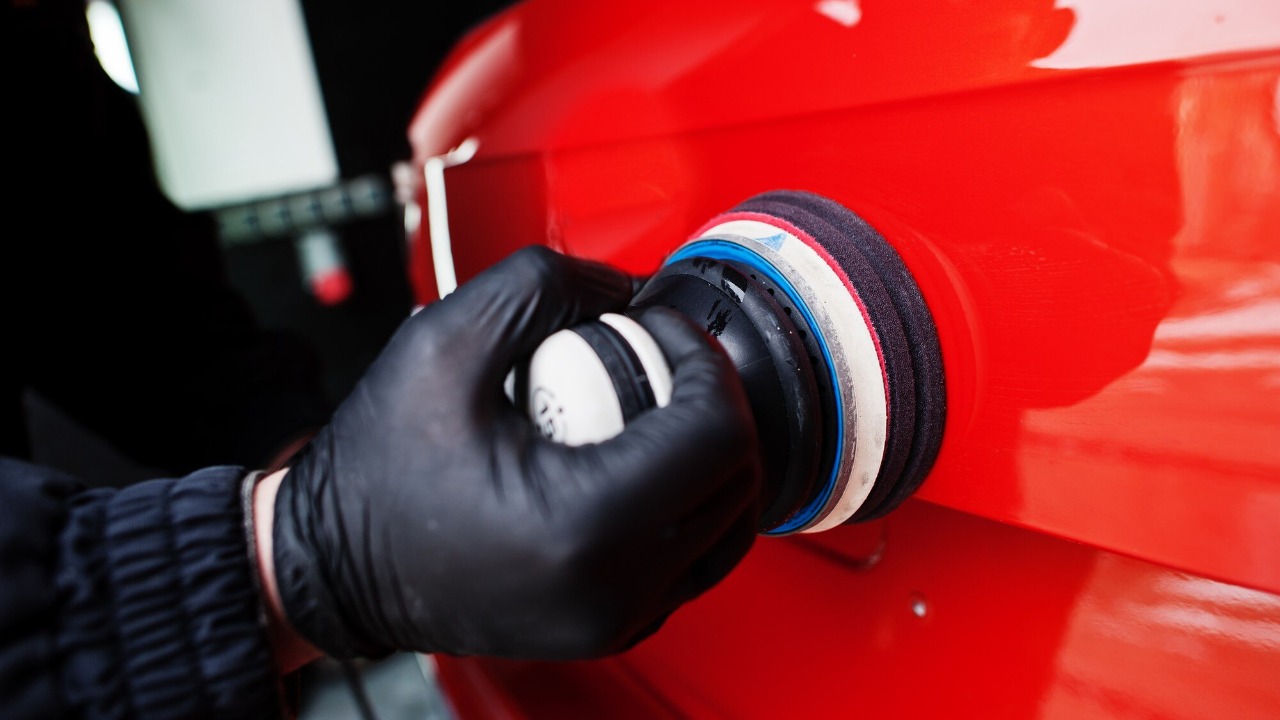
Waxing your car just once a year is not sufficient to maintain its shine and protect the paint. Depending on your driving conditions and climate, your car might require waxing every three to four months. Regular waxing helps shield the paint from UV rays, pollutants, and road debris.
For a better understanding of how environmental factors affect car paint, you can explore this resource. Regular upkeep can save you from costly paint jobs in the long run.
Automatic Car Washes Always Damage Paint
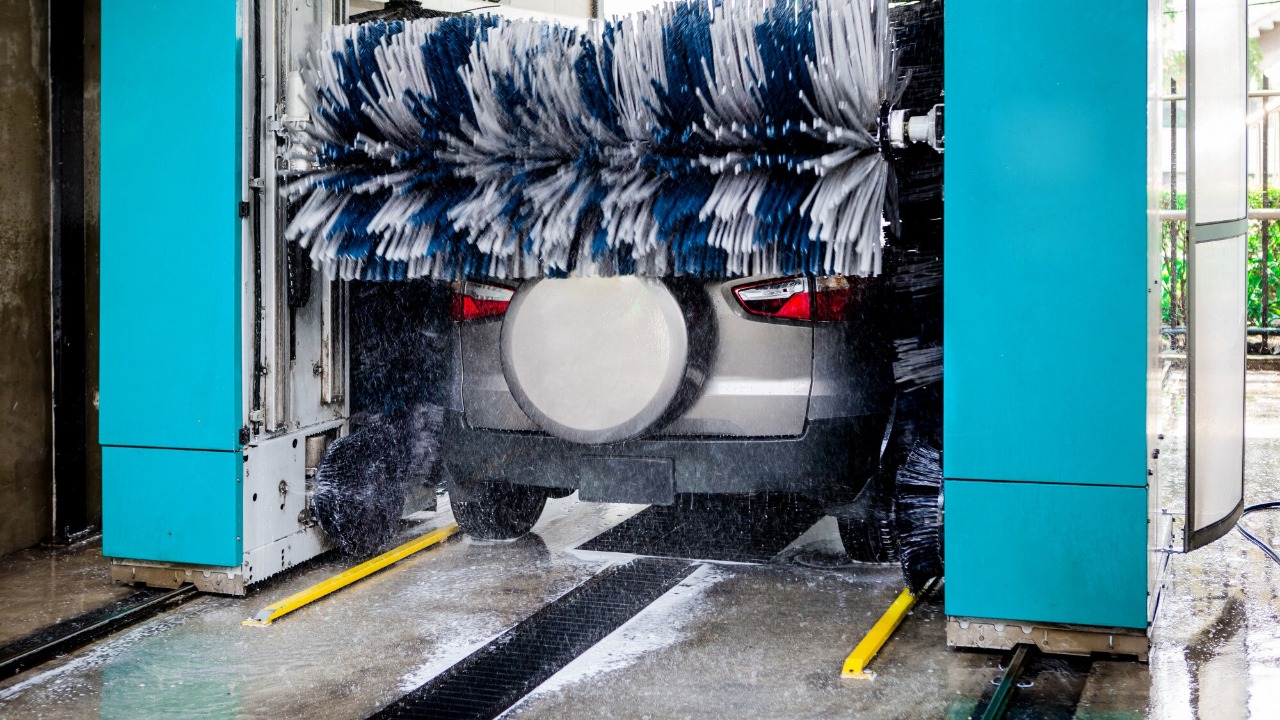
It’s a common belief that automatic car washes will ruin your car’s paint. While some older car washes used abrasive brushes that could cause scratches, most modern facilities use soft cloths and gentle cleaning agents. These are typically safe for your vehicle when used correctly.
For a deeper dive into the evolution and safety of car washes, check out these insights. Still, it’s wise to avoid facilities that don’t seem well-maintained, as dirt and debris trapped in the brushes can cause damage.
Washing a Car in Direct Sunlight is Better
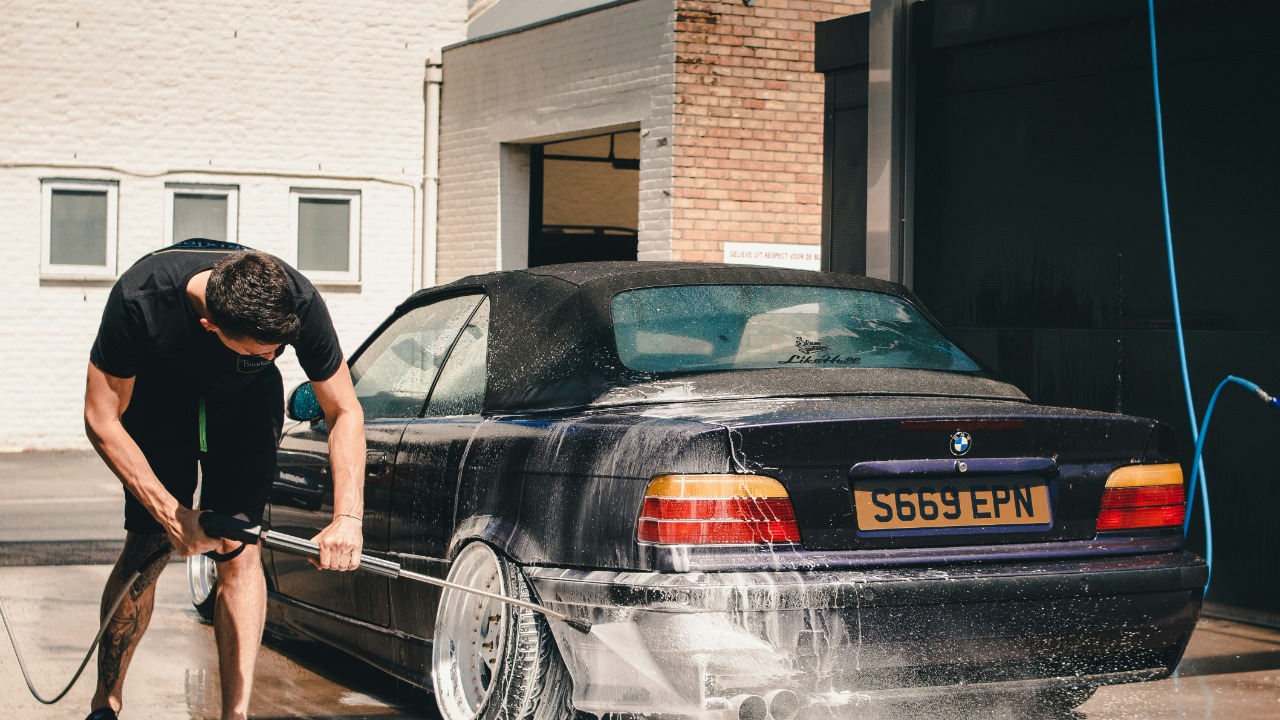
While it might seem logical to wash your car on a sunny day, direct sunlight can cause water to evaporate too quickly, leaving unsightly water spots and streaks on your vehicle. It’s best to wash your car in the shade or during cooler parts of the day.
Washing in the shade ensures that the soap and water have enough time to break down dirt effectively. This practice will give your car a spotless finish without the hassle of additional touch-ups.
Engine Cleaning is Best Left to the Professionals
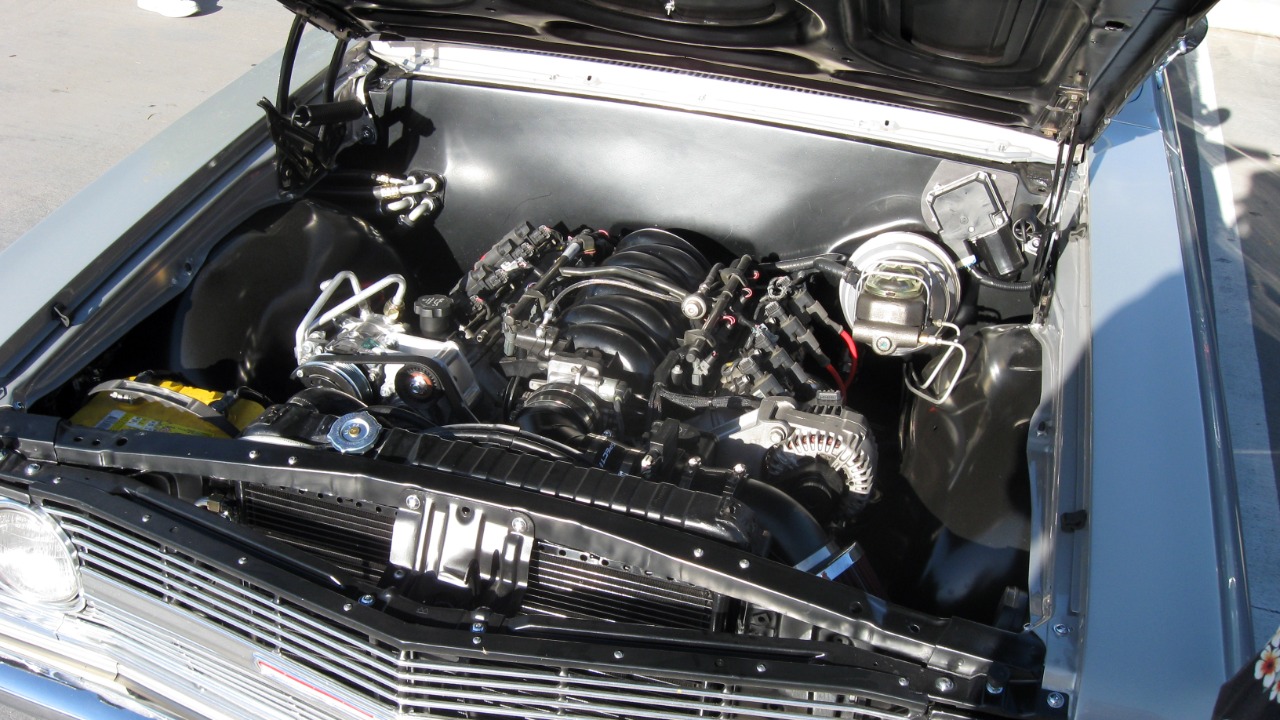
Cleaning your car’s engine might seem daunting, but with the right tools and precautions, it’s something you can do yourself. Cover sensitive components like the alternator and air intake before gently rinsing with water. Use a degreaser to break down grime, and a brush to scrub stubborn areas.
For those interested in learning more about the nuances of engine cleaning, this study explores various DIY maintenance practices.
You Can Use Household Glass Cleaner on Car Windows
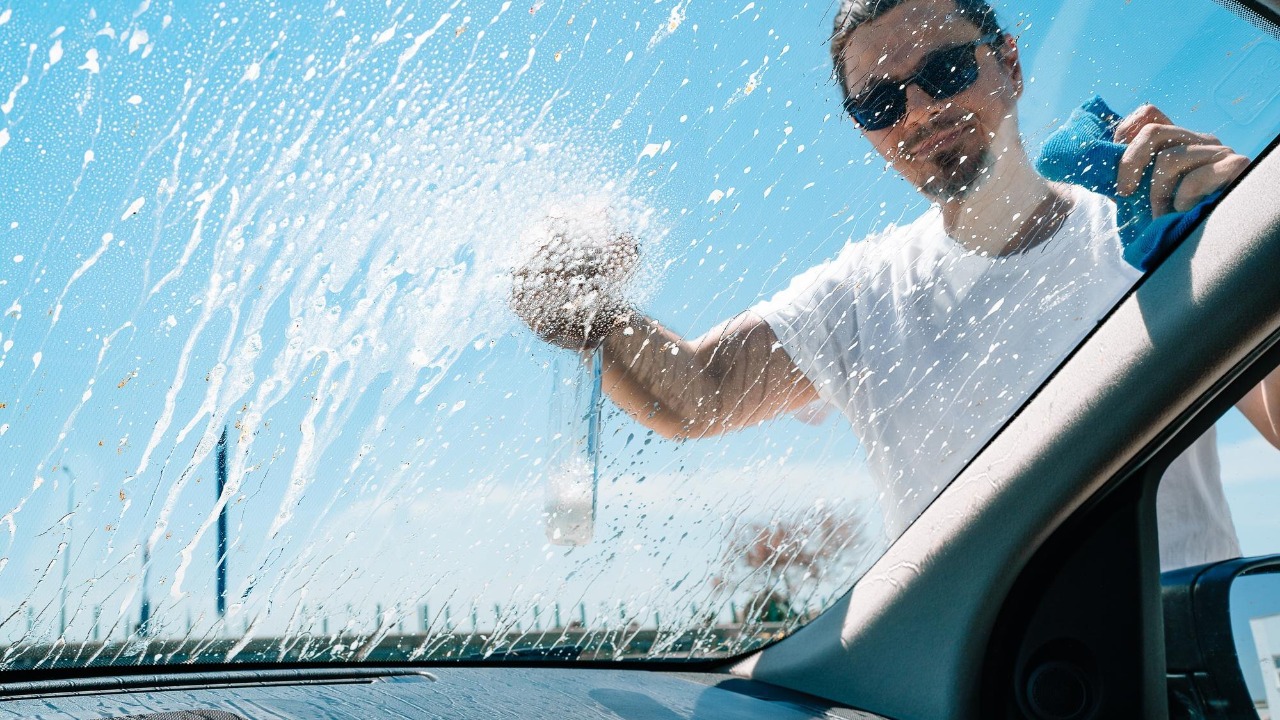
Household glass cleaners, especially those containing ammonia, can damage the tint on car windows. Ammonia can cause tint film to peel or discolor. Instead, use a cleaner specifically designed for automotive glass, which is ammonia-free and safe for tinted windows.
For tips on maintaining car windows effectively, consider exploring resources that focus on automotive care and detailing techniques.
Air Fresheners Eliminate All Odors
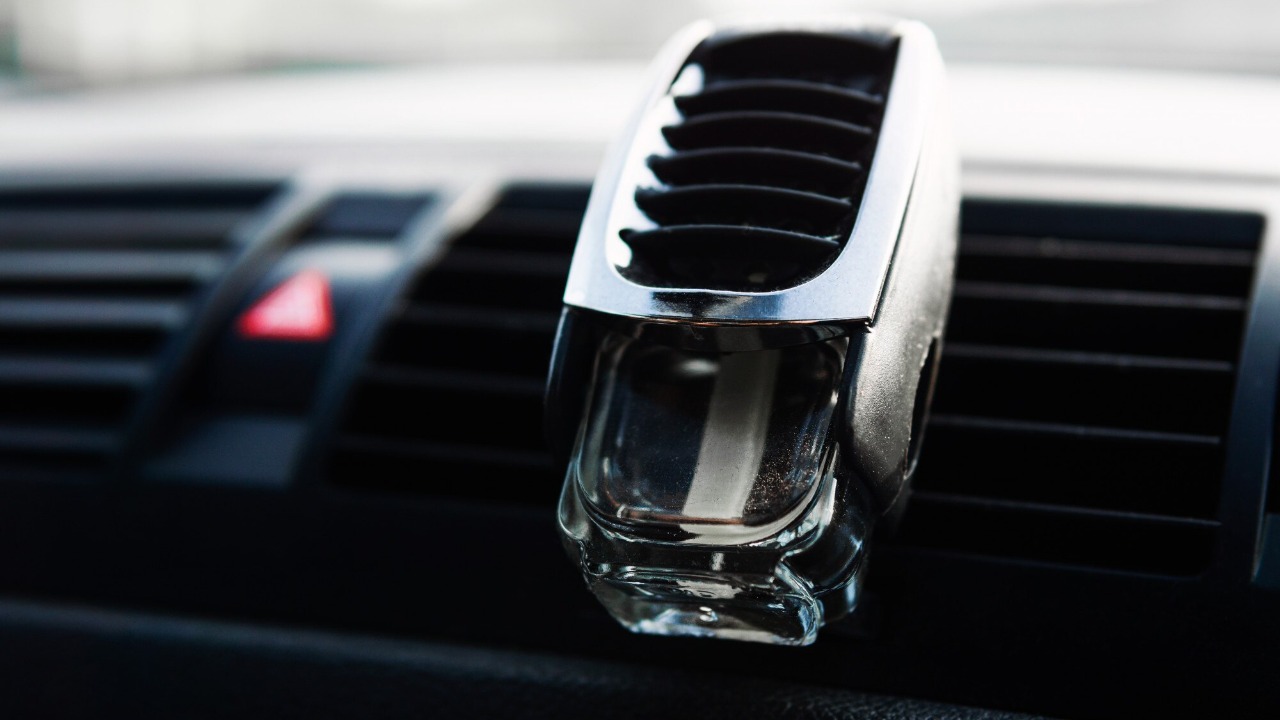
Air fresheners may mask odors temporarily, but they don’t eliminate the source of the smell. To truly rid your car of unpleasant odors, identify and clean the source, whether it’s leftover food, spills, or mildew. Use a vacuum and upholstery cleaner for a thorough clean.
Learn more about odor elimination techniques in this research article that delves into effective cleaning strategies.
Using a Sponge is the Best Way to Clean a Car
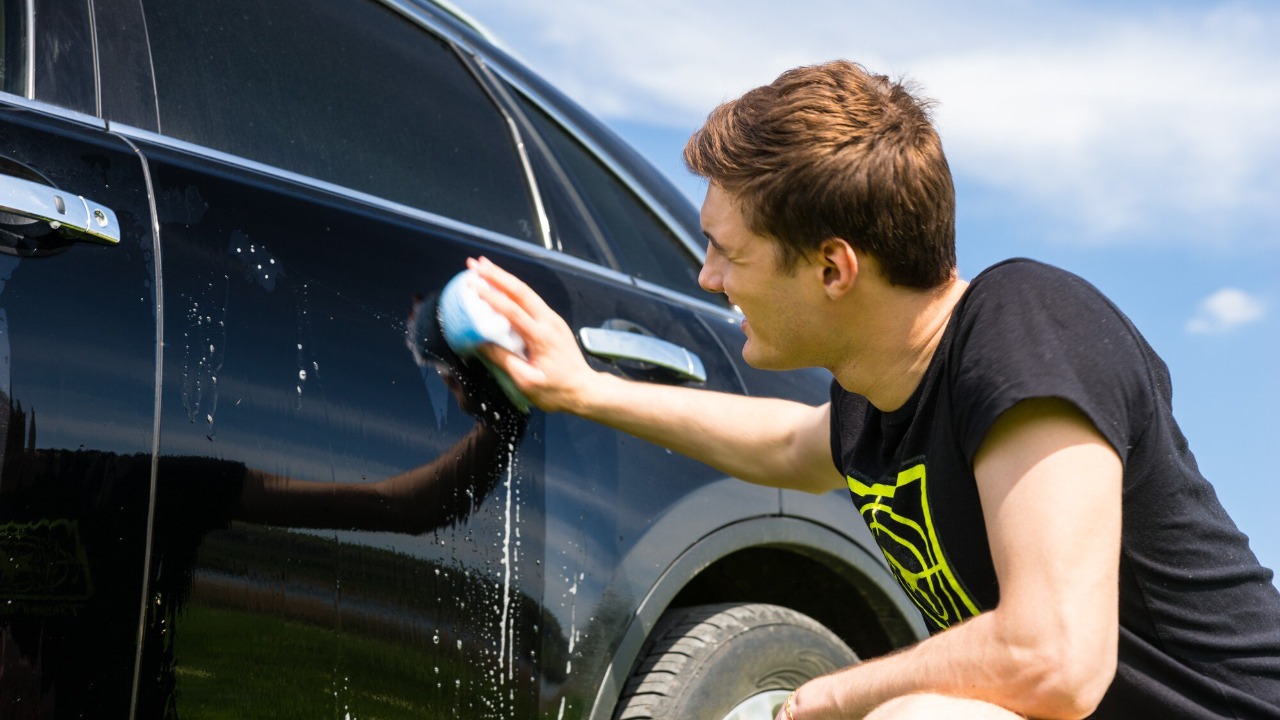
While sponges are commonly used, they can trap dirt and grit in their pores, potentially scratching your car’s paint. A microfiber mitt or cloth is a better option as it lifts dirt away from the surface, reducing the risk of scratches.
Microfiber materials are designed to be gentle on paint while effectively capturing dirt particles. This simple switch can help preserve your car’s finish and keep it looking pristine.
Waterless Car Washes Scratch the Paint
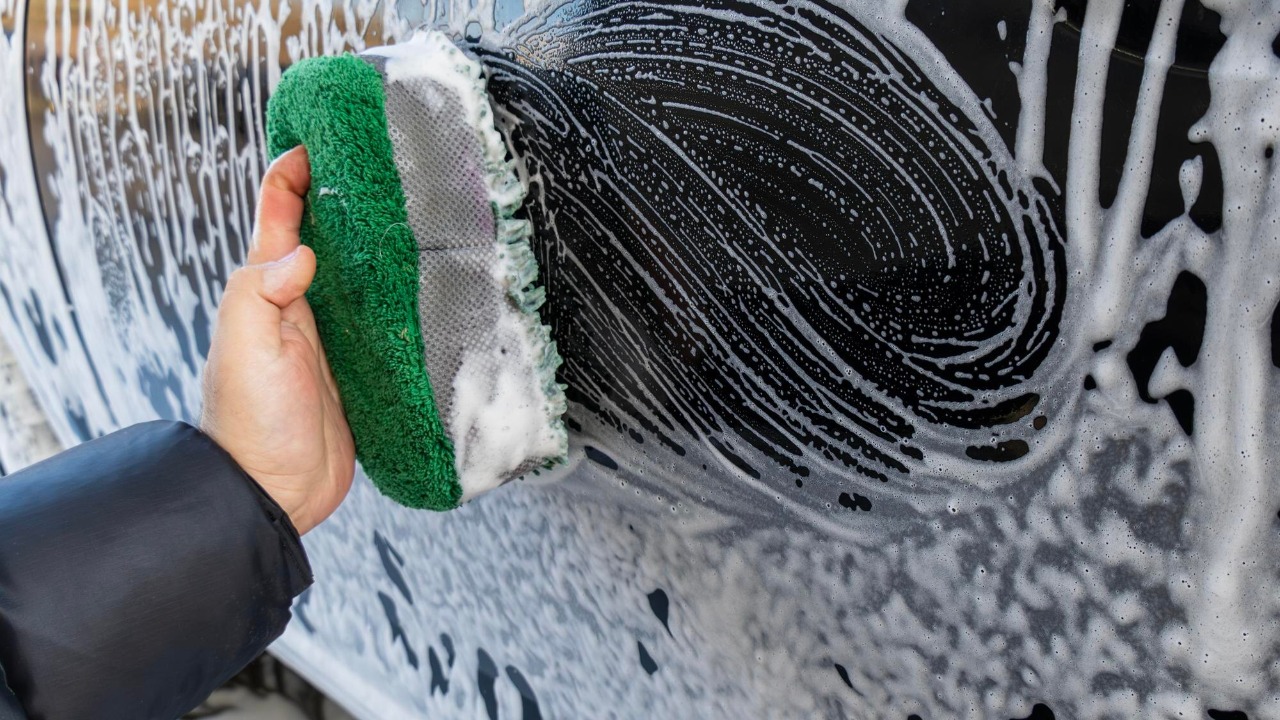
Waterless car washes have gained popularity for their convenience and eco-friendliness, but concerns about scratching persist. When used correctly, waterless washes are safe and effective. The key is to use a quality product and plenty of clean microfiber towels to remove dirt without abrasion.
To understand the mechanics behind waterless car washes, you can read more in this detailed analysis. With the right technique, you can achieve a spotless finish without risking damage.