

The archaeological expedition that led to the discovery of this anomaly was nothing short of groundbreaking. The team, equipped with the latest in archaeological technology, stumbled upon this enigmatic feature while conducting routine surveys near the pyramids. Using ground-penetrating radar and 3D imaging, they were able to identify an irregularity beneath the surface that did not match any known architectural patterns of the era. The anomaly’s precise nature remains a mystery, but its discovery has already set the archaeological community abuzz.
Initial reactions from scholars and archaeologists have been a mix of excitement and skepticism. Some experts are thrilled about the possibility of uncovering new aspects of ancient Egyptian civilization, while others urge caution until more concrete evidence is gathered. The tools and technology used in this discovery, such as advanced imaging and excavation techniques, have played a crucial role in bringing this potential breakthrough to light.
Historical Context of the Pyramids

The pyramids of Egypt have long stood as iconic symbols of ancient ingenuity and power. Constructed thousands of years ago, these monumental structures have been the subject of endless fascination and study. Historically, they are believed to have served primarily as tombs for pharaohs and high-ranking officials. However, recent discoveries have expanded our understanding of their potential purposes, suggesting they may have served as astronomical observatories or even energy generators.
Previous discoveries have significantly impacted our understanding of Egyptian architecture and culture. From hidden chambers to intricate hieroglyphs, each find has added layers to the complex narrative of ancient Egypt. Theories abound regarding the pyramids’ purposes, with some suggesting they were meant to facilitate a journey to the afterlife, while others propose they were used for more practical functions, such as storage or ceremonial sites.
Theories Surrounding Ancient Portals

The concept of portals in ancient cultures is not new. Myths and legends across various civilizations, from the Mayans to the Mesopotamians, often speak of gateways to other worlds or dimensions. These stories have fueled both scientific and pseudoscientific theories about the existence of such portals. While mainstream science remains skeptical, the allure of these theories continues to captivate the public imagination.
If the anomaly near the pyramids is indeed a portal, the implications could be profound. It would challenge our current understanding of ancient technologies and suggest that the Egyptians possessed knowledge far beyond what we currently credit them with. However, proving such a theory would require more than speculation; it would necessitate rigorous scientific validation and a reevaluation of ancient historical records.
Technological Implications of the Discovery
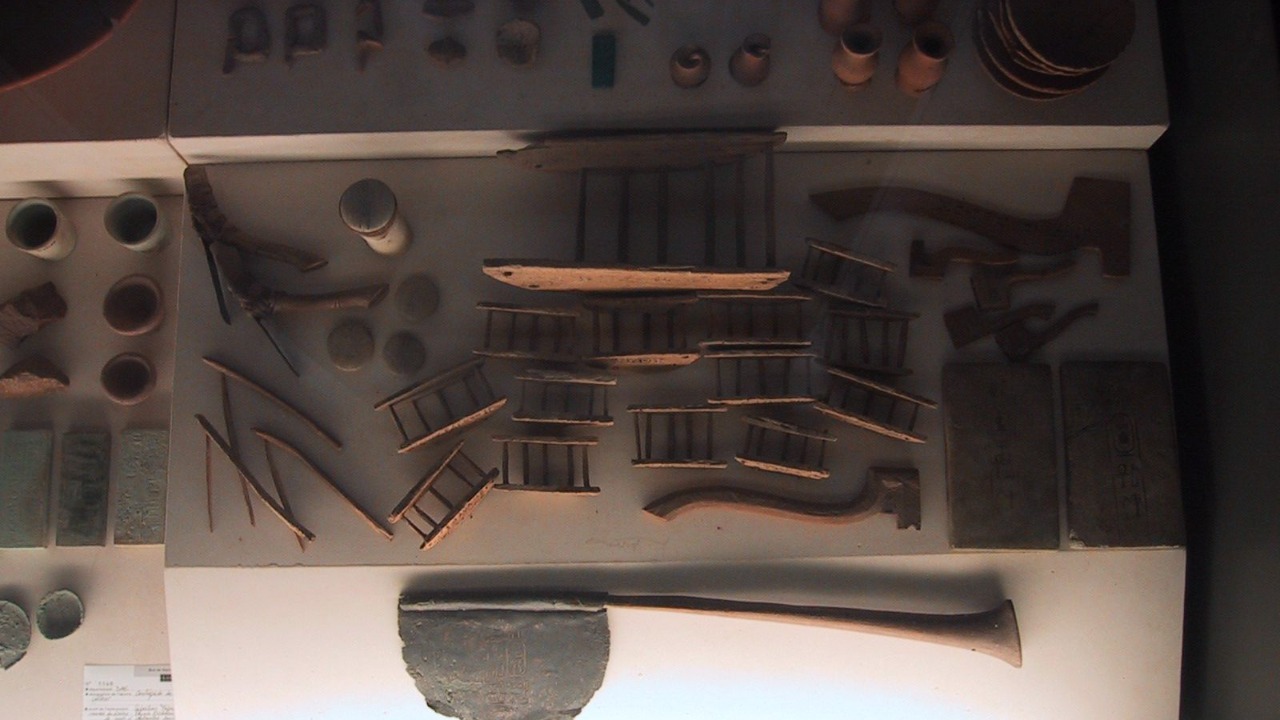
The potential technological implications of this discovery are staggering. Ancient Egyptian technologies, while advanced for their time, have always been thought of as relatively rudimentary compared to modern standards. However, if the anomaly is linked to a portal, it could suggest that the Egyptians had access to technologies that facilitated such phenomena. This would place them on par with other ancient technological wonders, such as the Antikythera mechanism or the Nazca Lines.
Speculation about the potential uses of such a portal runs rampant. Could it have been used for spiritual journeys, or perhaps as a means of transportation? While these ideas remain speculative, they open the door to new lines of inquiry and research. The very notion that ancient cultures might have possessed such advanced capabilities is a tantalizing prospect that could reshape our understanding of history.
Potential Impact on Modern Archaeology

This discovery has the potential to revolutionize modern archaeological methods and priorities. Should the anomaly prove to be of significant importance, it may prompt a shift in focus towards uncovering other such anomalies worldwide. Interdisciplinary collaboration, combining archaeology with fields like physics and engineering, will be crucial in unraveling the mystery and ensuring that all possibilities are explored.
Future research directions are already being charted, with archaeologists eager to uncover what lies beneath the sands of time. As technology continues to advance, so too will our ability to investigate these ancient mysteries. The hope is that such discoveries will not only expand our understanding of past civilizations but also inspire new generations of researchers to delve into the unknown.
Public and Scholarly Reactions

Media coverage of the anomaly discovery has been extensive, capturing the public’s imagination and fueling discussions about its implications. Articles on platforms like Yahoo News highlight the excitement and curiosity this find has generated. Public perception is a mix of wonder and skepticism, with many eagerly awaiting further developments.
Within the academic community, the discovery has sparked lively debates. Scholars are divided on the interpretation of the anomaly, with some advocating for cautious optimism and others adopting a more critical stance. The role of popular culture in shaping the narrative around ancient mysteries cannot be understated, as it often influences both public interest and scholarly discourse.