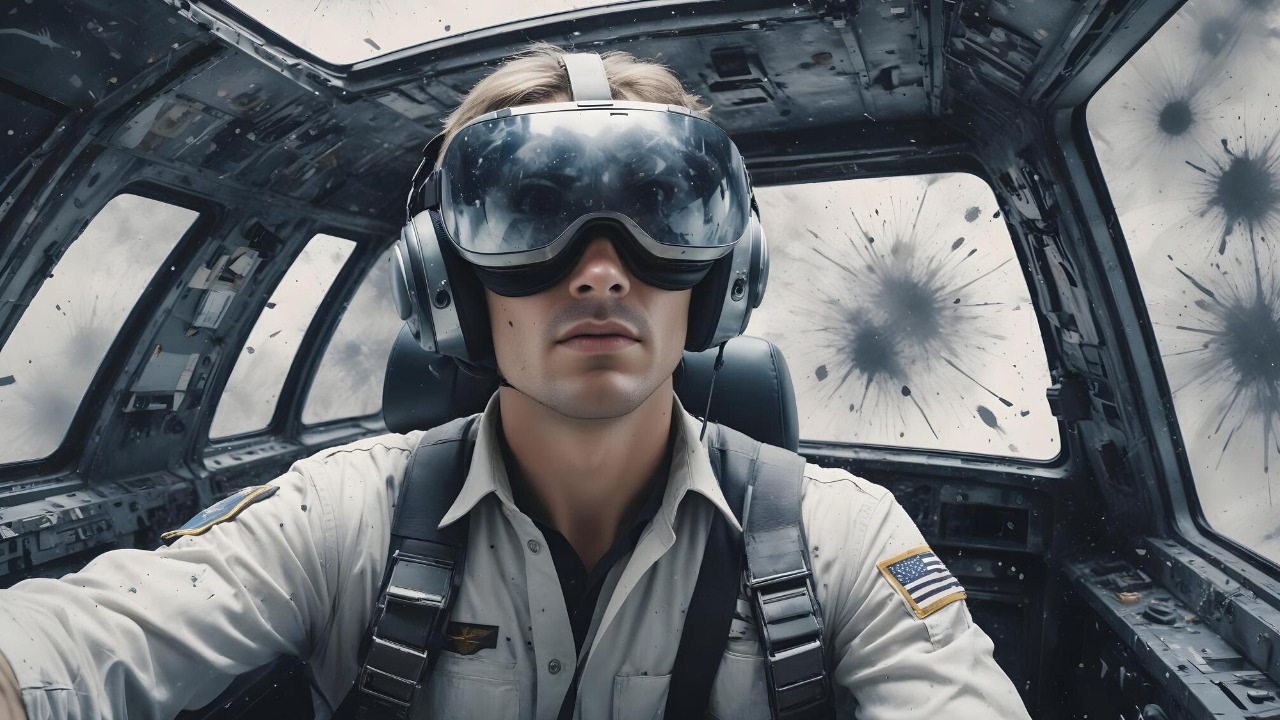

Fighter pilot training has evolved significantly with the integration of Virtual Reality (VR), offering unprecedented opportunities for immersive learning. With advancements in technology, VR is now at the forefront of military training, providing a dynamic and safe environment for pilots to hone their skills. This shift not only enhances training efficiency but also paves the way for future innovations in military aviation.
The Evolution of Pilot Training
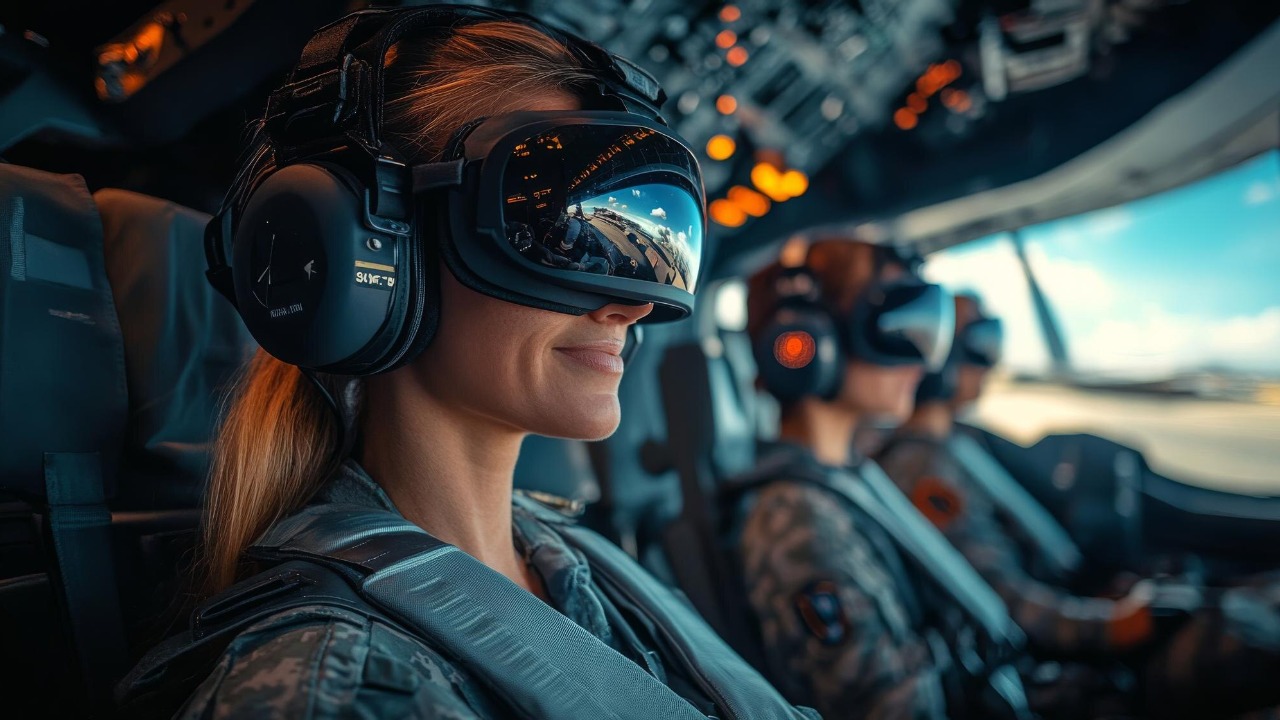
Historically, fighter pilot training relied heavily on traditional methods such as classroom instruction, basic flight simulations, and live-flight exercises. While effective, these approaches had inherent limitations, such as high costs and the inability to replicate certain real-world scenarios safely. The emergence of technology in the late 20th century began to transform these methodologies, introducing more sophisticated simulators and computer-based training tools.
The introduction of VR marks a significant turning point in pilot training methodologies. With VR, pilots can now experience a highly immersive environment that closely mimics the complexities of real-world flying. This technological leap has enabled trainers to provide more comprehensive education, addressing the limitations of earlier methods and setting a new standard for pilot preparedness.
Benefits of VR in Fighter Pilot Training
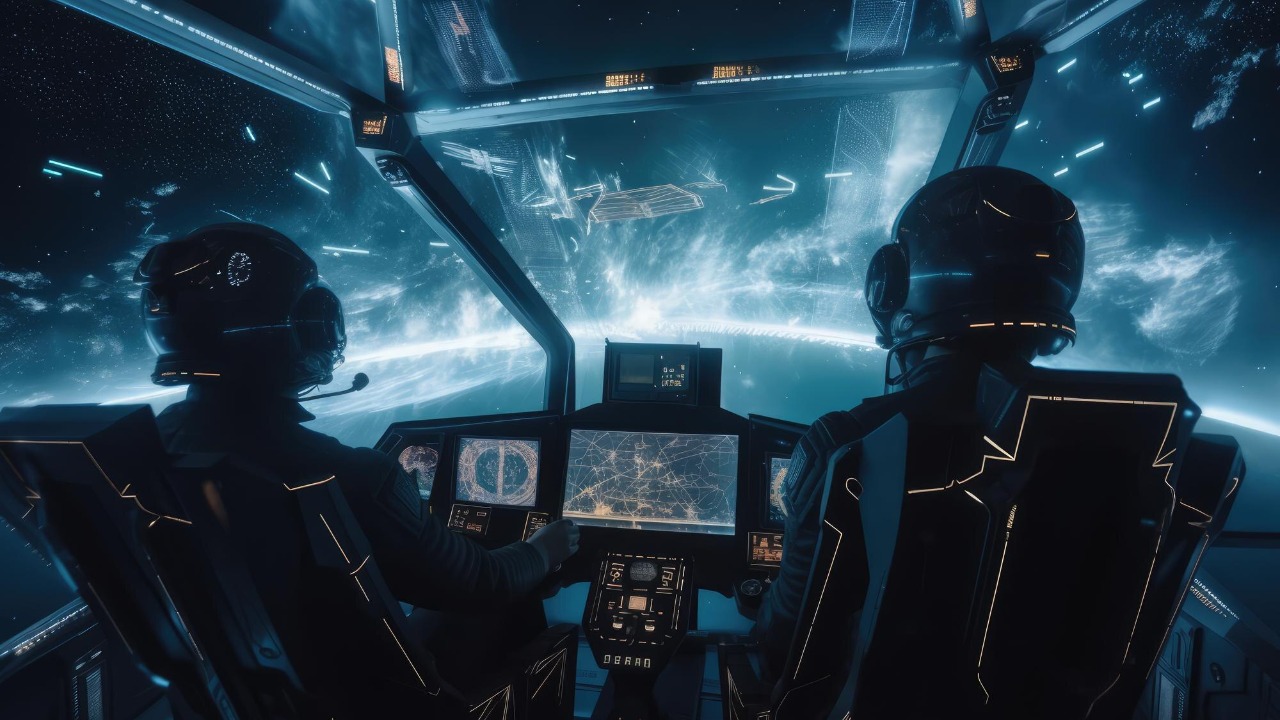
One of the most significant advantages of VR in fighter pilot training is the enhanced realism and immersion it offers. Pilots are placed in a virtual cockpit where they can practice maneuvers and engage in combat scenarios that replicate the sensations and pressures of actual flight. This controlled environment allows for repetition and mastery of skills without the risks associated with live training.
Additionally, VR training is cost-effective. By reducing the need for fuel, aircraft maintenance, and wear and tear on actual equipment, military organizations can allocate resources more efficiently. Moreover, VR provides a platform for experiencing dangerous scenarios safely, enhancing safety by allowing pilots to respond to potential emergencies without real-world consequences. This focus on safety and cost-efficiency has made VR an attractive option for modern military training programs.
Technological Innovations Driving VR Training
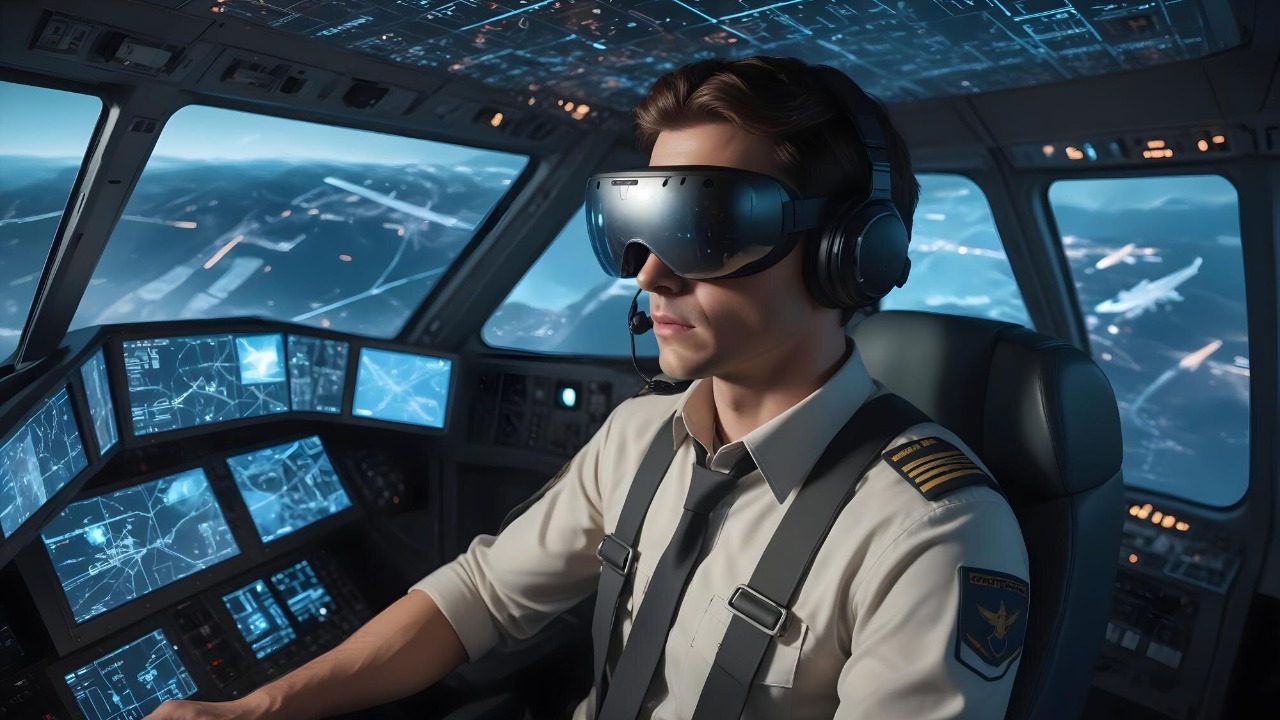
The effectiveness of VR in pilot training is driven by continuous hardware advancements. Sophisticated VR headsets and simulators now offer high-resolution displays and motion tracking, providing pilots with an authentic and responsive experience. This level of realism is crucial for developing the skills necessary for combat readiness.
Software developments further enhance this experience. Immersive programs and applications allow for the simulation of diverse flying conditions, from adverse weather to complex combat scenarios. The integration of extended reality (XR) technologies, combining VR, augmented reality (AR), and mixed reality (MR), offers a comprehensive training module that adapts to various learning needs and scenarios. For more on how the USAF is utilizing these technologies, click here.
Case Studies and Real-world Applications
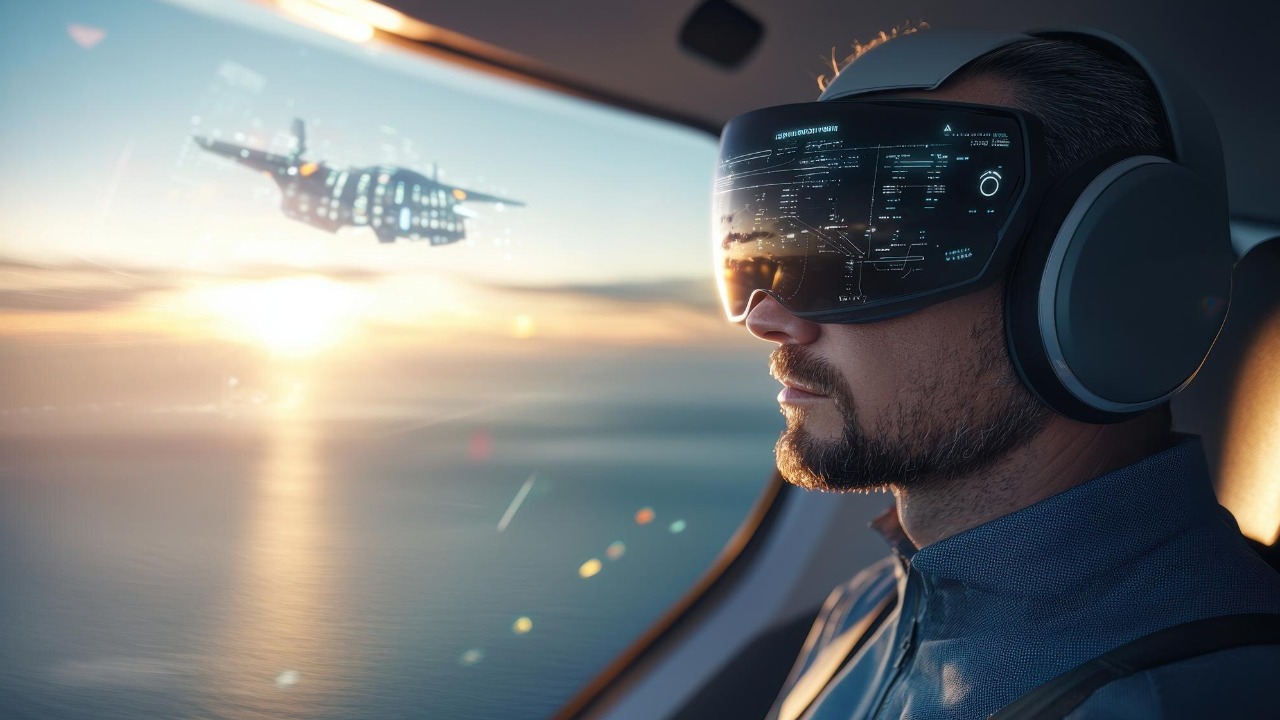
The U.S. Air Force (USAF) has been at the forefront of integrating VR into its training regimen. Their current VR training programs have shown promising results, with pilots displaying increased proficiency and confidence. The USAF’s collaboration with tech companies to develop custom VR solutions has been instrumental in these successes. To delve deeper into these initiatives, you can read more here.
Globally, other countries are also adopting VR training methods. Nations like the United Kingdom and Australia have begun implementing VR in their military training programs, recognizing its potential to enhance pilot skills and reduce costs. These international examples highlight a growing trend towards technology-driven training solutions. Collaborative efforts between military organizations and technology companies continue to push the boundaries of what’s possible in VR training, as outlined in this feature.
Challenges and Future Prospects
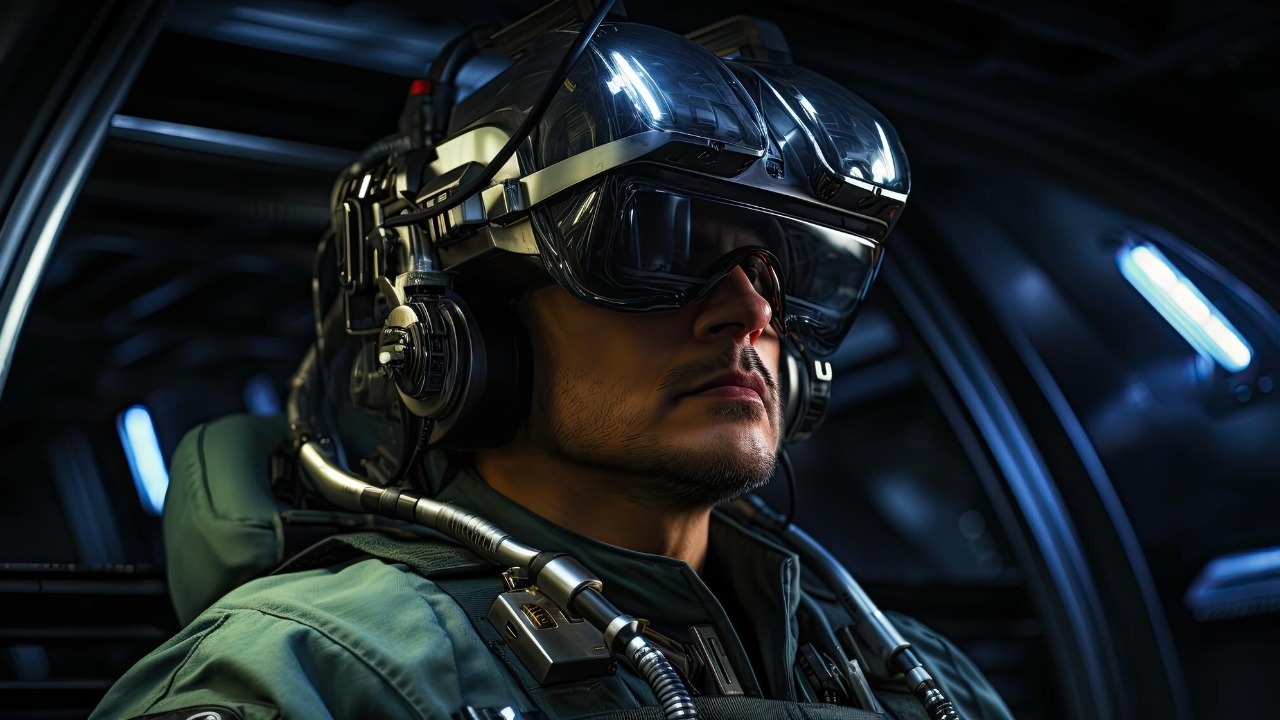
Despite its advantages, VR technology is not without challenges. Current limitations include the need for high-performance hardware and the potential for motion sickness among users. Moreover, adapting to VR training requires a shift in mindset from both instructors and trainees. As this technology continues to evolve, overcoming these barriers will be crucial for its widespread adoption.
Research and development in VR technology are ongoing, with continuous improvements aimed at enhancing user experience and training effectiveness. Future advancements may include more sophisticated AI-driven simulations and greater integration with other emerging technologies. As VR becomes more refined, its application in pilot training is expected to expand, offering even greater benefits and setting new standards for military readiness.
Implications for the Future of Military Aviation
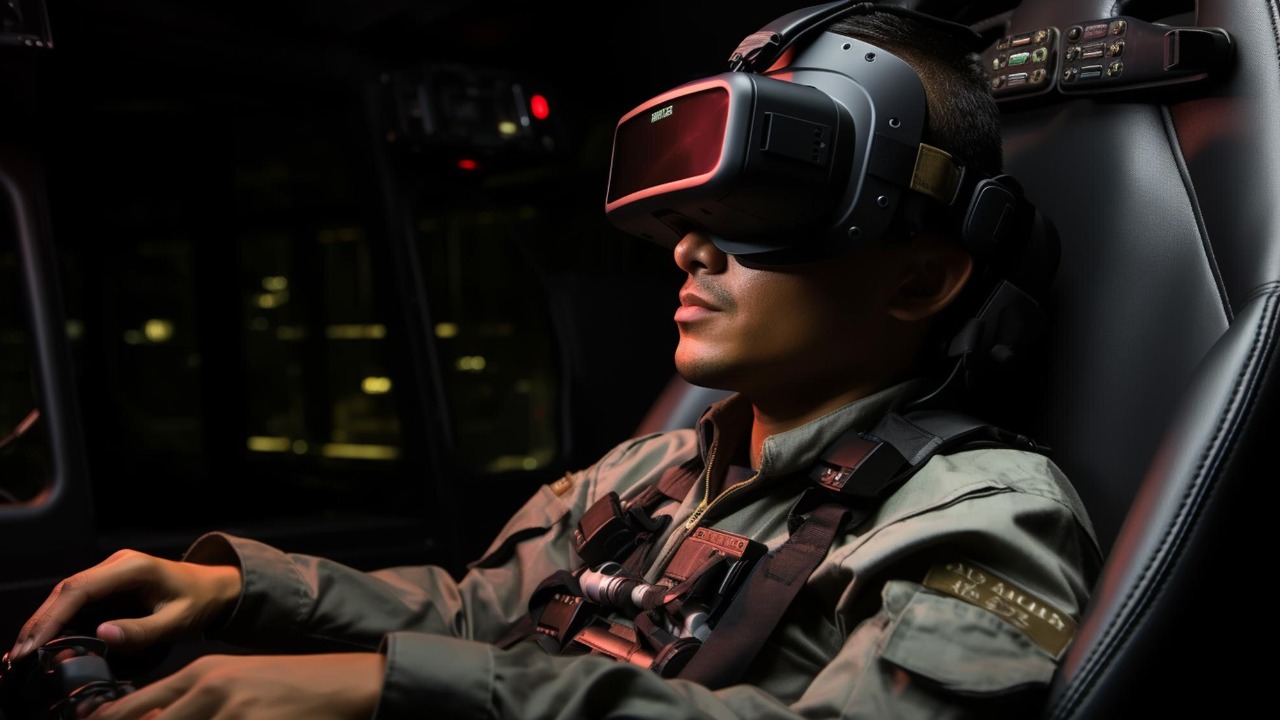
The strategic advantages of VR training extend beyond cost savings and safety. By providing a realistic training platform, VR can significantly enhance pilot competency, allowing for better skill acquisition and retention. This improvement in pilot capability could potentially alter military strategies and preparedness, offering a competitive edge in combat scenarios.
Beyond pilot training, the implications of VR in the military context are vast. The technology could be applied to other areas such as ground troop training, vehicle operations, and even strategic planning exercises. As military organizations continue to explore the capabilities of VR, its role in shaping the future of military aviation and overall defense strategies cannot be overstated.