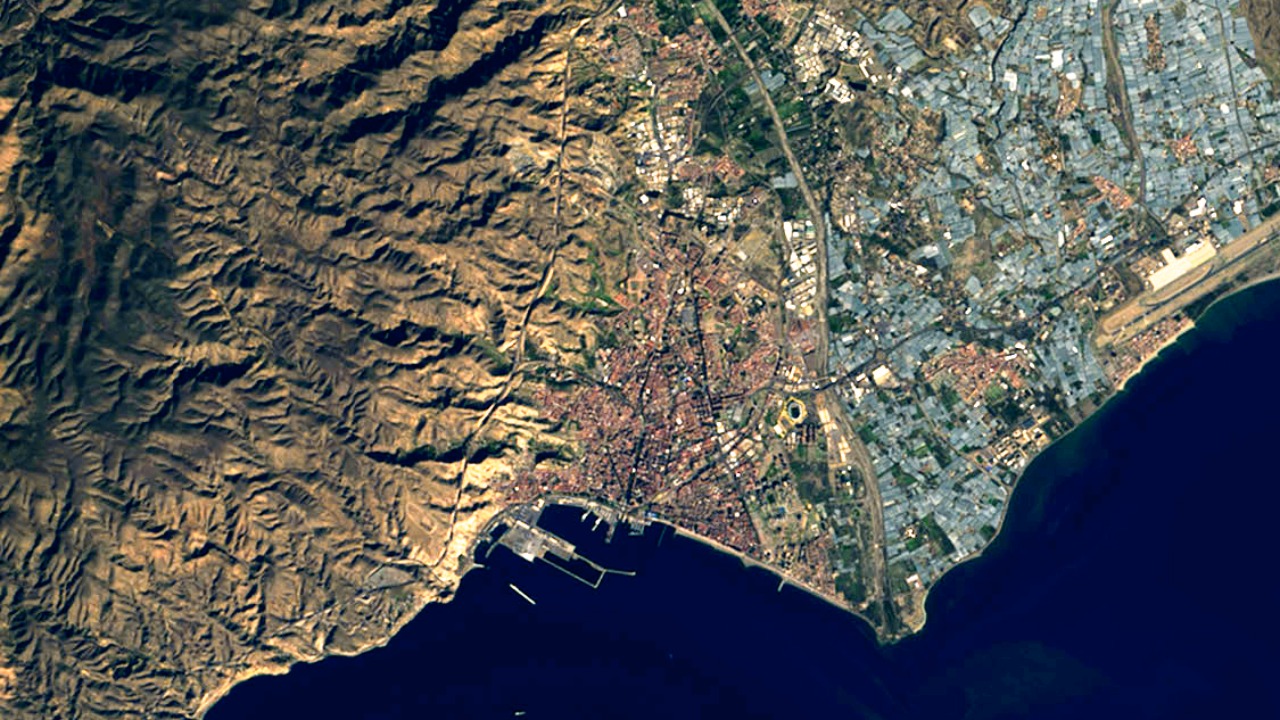

For years, the Great Wall of China has been famously regarded as the only man-made structure visible from space. However, recent findings from NASA have debunked this myth, revealing that the largest visible structure is actually located in Europe. Let’s explore the surprising truth behind the largest structures visible from space and the science behind these observations.
The Myth of the Great Wall of China

The belief that the Great Wall of China is the sole man-made structure visible from space is a long-standing myth. Historical records suggest that this misconception may have originated in the late 19th and early 20th centuries, a time when the Great Wall was often romanticized as a monumental feat of human engineering. Over time, this idea was perpetuated through textbooks and media, cementing it as a widely accepted fact.
However, the reality is that the visibility of any structure from space is contingent upon several factors. The Great Wall’s color and its integration into the natural landscape make it difficult to discern from orbit. Unlike urban areas or large airports, which have contrasting colors and organized layouts, the Wall blends into its surroundings, complicating visibility from space.
Over the years, astronauts and scientists have repeatedly clarified this misconception. As noted on Reddit, astronauts from the International Space Station have confirmed that the Great Wall is not visible to the naked eye from low Earth orbit, further debunking the myth.
NASA’s Surprising Discovery
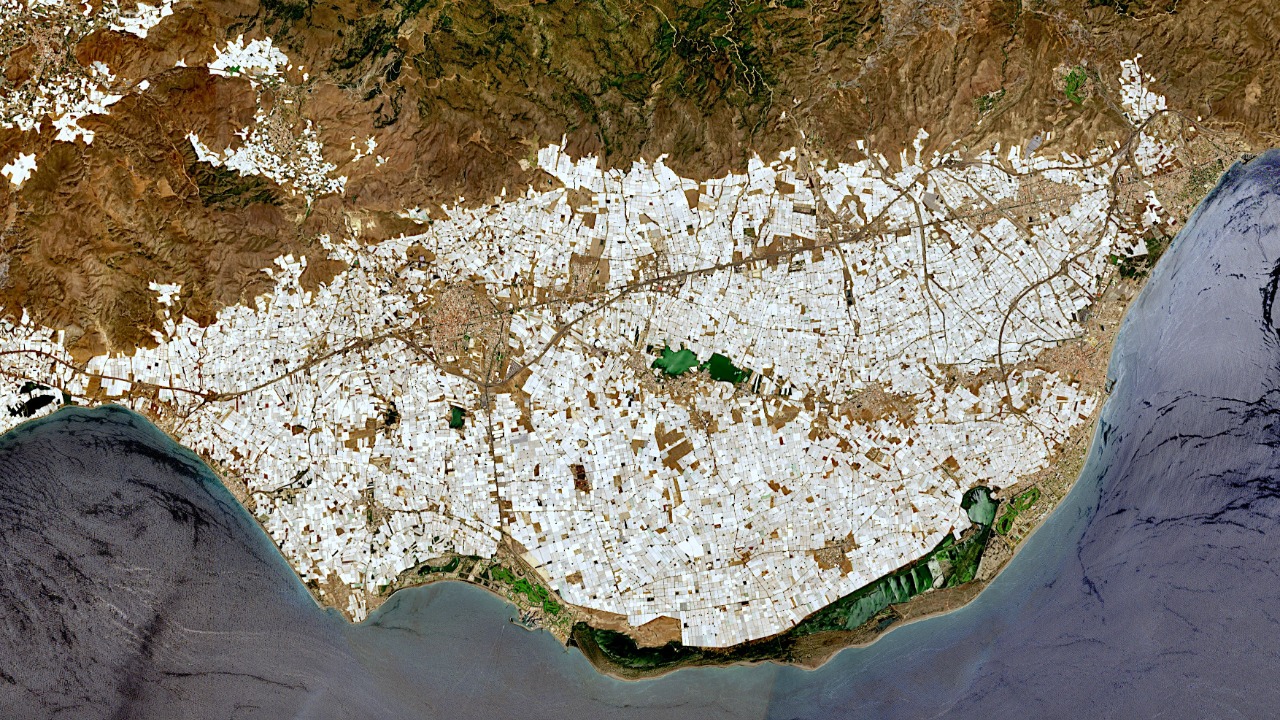
In a surprising twist, NASA has confirmed that the largest man-made structure visible from space is not in Asia but in Europe. According to this article, the structure in question is the greenhouses of Almería in Spain. This sprawling sea of plastic-covered surfaces reflects sunlight, making it highly visible from orbit.
The identification of this structure was made possible through advanced satellite imagery and observation techniques. NASA’s satellites employ high-resolution cameras and infrared sensors to capture detailed images of Earth’s surface, allowing for precise identification of man-made and natural structures.
This discovery has significant implications for our understanding of visibility from space. It challenges long-held assumptions and highlights the evolving nature of space observation techniques. As technologies advance, our ability to observe and understand Earth’s features from space continues to improve.
Other Structures Visible from Space
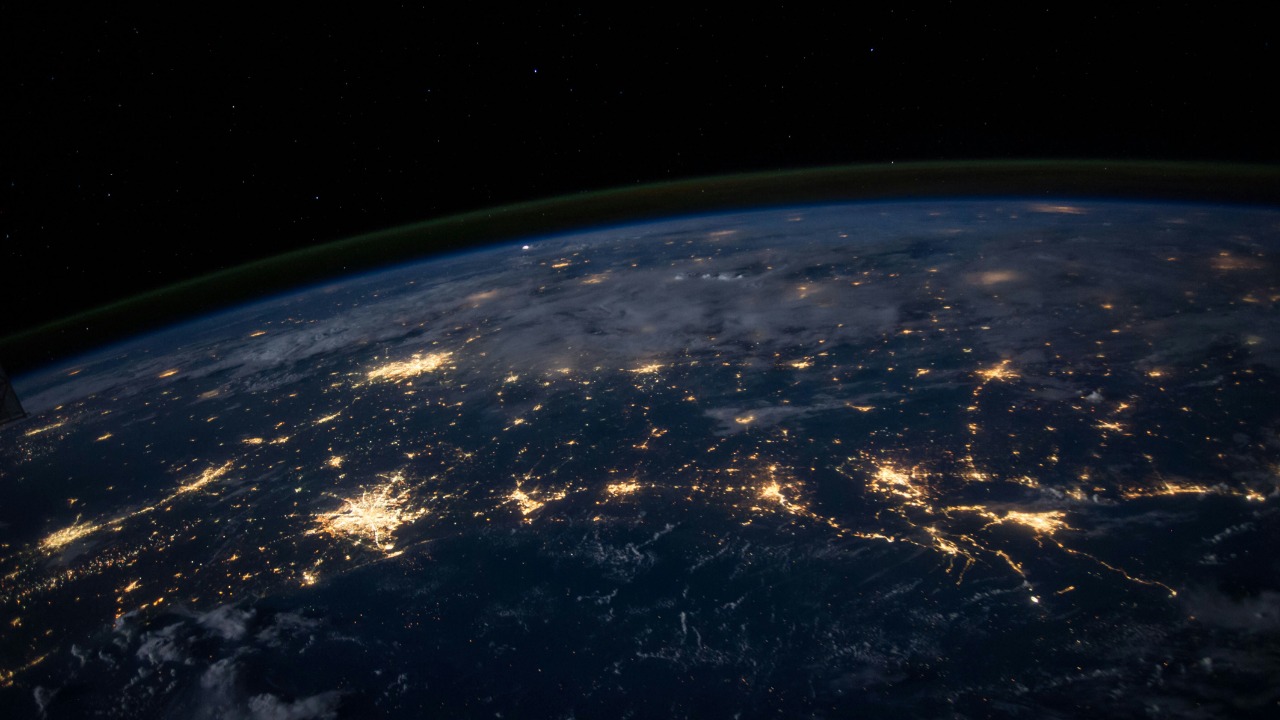
Aside from the newly identified largest structure, several other man-made wonders are visible from space. Urban areas with dense populations and extensive infrastructure, like Las Vegas and New York City, are particularly noticeable due to their bright lights and organized layouts.
Natural formations also stand out from space. The Great Barrier Reef, for instance, is a vast natural wonder that is easily visible due to its size and the contrast of its colorful corals against the deep blue ocean. Similarly, large mountain ranges and deserts, such as the Himalayas and the Sahara, can be seen from orbit.
Several factors influence the visibility of these structures from space. Size, color contrast, and reflectivity all play crucial roles. Structures or natural formations that reflect a significant amount of sunlight or possess contrasting colors with their surroundings tend to be more visible.
Public Perception and Cultural Impact

The revelation that the Great Wall is not the largest structure visible from space may shift public perceptions. As more people become aware of NASA’s findings, the narrative surrounding what is visible from orbit may change, fostering a deeper understanding of our planet and its features.
The cultural impact of the Great Wall’s myth has been significant. It has been a symbol of human achievement and endurance for centuries. However, the new information about the European structure may inspire a different kind of appreciation for human ingenuity and the diverse ways in which we shape our planet.
Media coverage and misinformation have played substantial roles in perpetuating the myth of the Great Wall’s visibility. As noted in Startup News, public education and informed media coverage are essential in correcting these misconceptions and promoting accurate scientific knowledge.
The Future of Space Observation
As technology advances, our ability to observe Earth from space will continue to improve. Cutting-edge technologies, such as higher-resolution imaging satellites and enhanced data processing capabilities, promise to provide even more detailed insights into our planet’s features.
Educational initiatives play a vital role in dispelling myths and promoting accurate information about space observation. By integrating these findings into educational curricula, we can ensure that future generations have a better understanding of the scientific principles governing what is visible from space.
Ongoing research by NASA and other organizations is crucial for exploring Earth’s visibility from space further. As highlighted in a Google Books source, continued research efforts will likely yield new discoveries and deepen our understanding of how we perceive Earth’s features from afar.