

A “city killer” asteroid, comparable in size to the Leaning Tower of Pisa, is hurtling towards the moon. Although Earth remains unthreatened, the anticipated impact on the lunar surface could carry significant scientific implications. This cosmic event presents an opportunity to examine the repercussions on lunar geology and the efforts of astronomers to monitor such celestial phenomena.
Asteroid Characteristics and Trajectory

The asteroid, referred to as a “city killer,” spans a size comparable to that of the renowned Leaning Tower of Pisa. This celestial body is composed primarily of rock and metal, traveling at an astounding speed through space. Scientists have meticulously charted its trajectory, employing advanced telescopic technology and mathematical models to predict its path with remarkable accuracy. The “city killer” designation is not hyperbole; the term underscores the potential devastation such an asteroid could cause if it were to collide with a populated area on Earth, although this specific asteroid poses no threat to our planet.
Understanding the trajectory of this asteroid involves complex calculations that account for gravitational forces and the influence of other celestial bodies. The potential impact on the moon, however, is a subject of intense scrutiny. The moon’s lack of atmosphere makes it particularly vulnerable to impacts, unlike Earth, which benefits from atmospheric friction that can disintegrate smaller objects before they reach the surface.
Potential Impact on the Moon
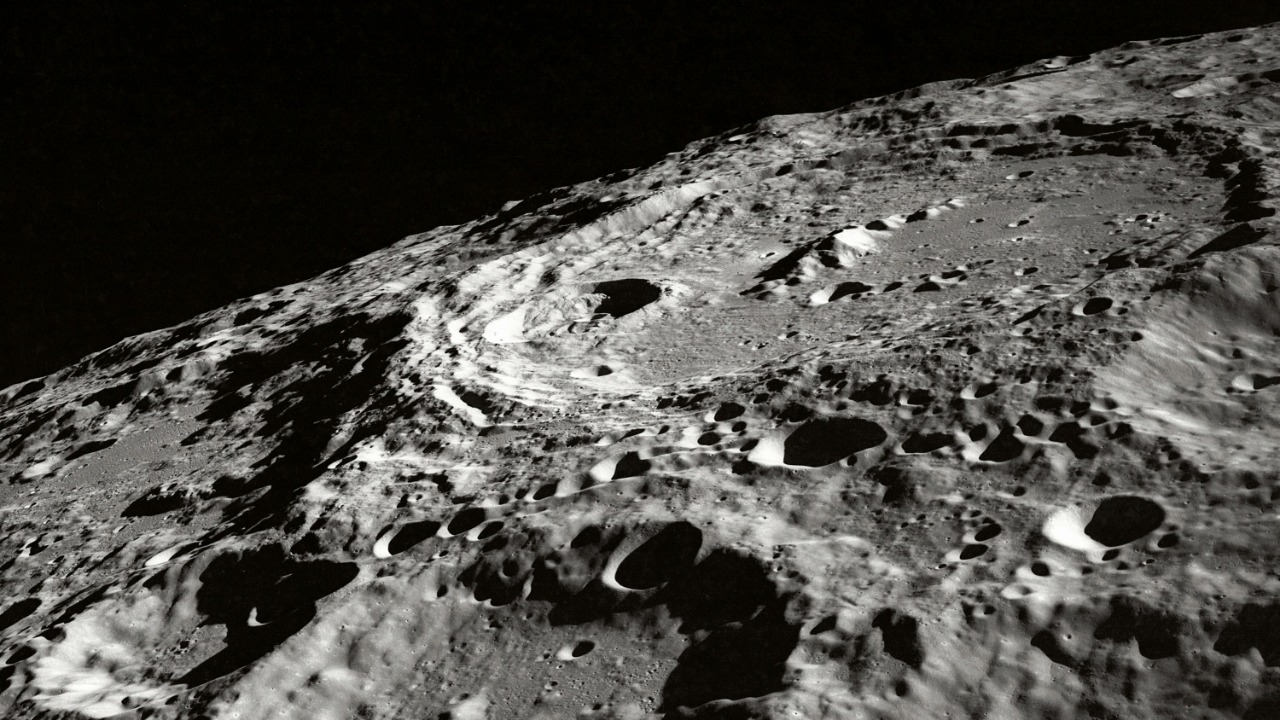
The impending collision with the moon could have profound effects on its surface and geological composition. The impact is expected to create a sizeable crater, displacing lunar material and potentially uncovering subsurface layers that have remained hidden for millennia. Such an event could offer invaluable insights into the moon’s history and formation. However, it also poses challenges for future lunar missions, particularly those planned to explore areas near the impact site.
There is also a possibility that the collision could alter the moon’s visibility from Earth. While the moon’s overall brightness is unlikely to change significantly, new craters could affect its appearance in the night sky. Understanding these changes is crucial for scientists and enthusiasts who rely on lunar observations. More details about the odds of this impact can be found in this report.
Scientific and Technological Monitoring Efforts
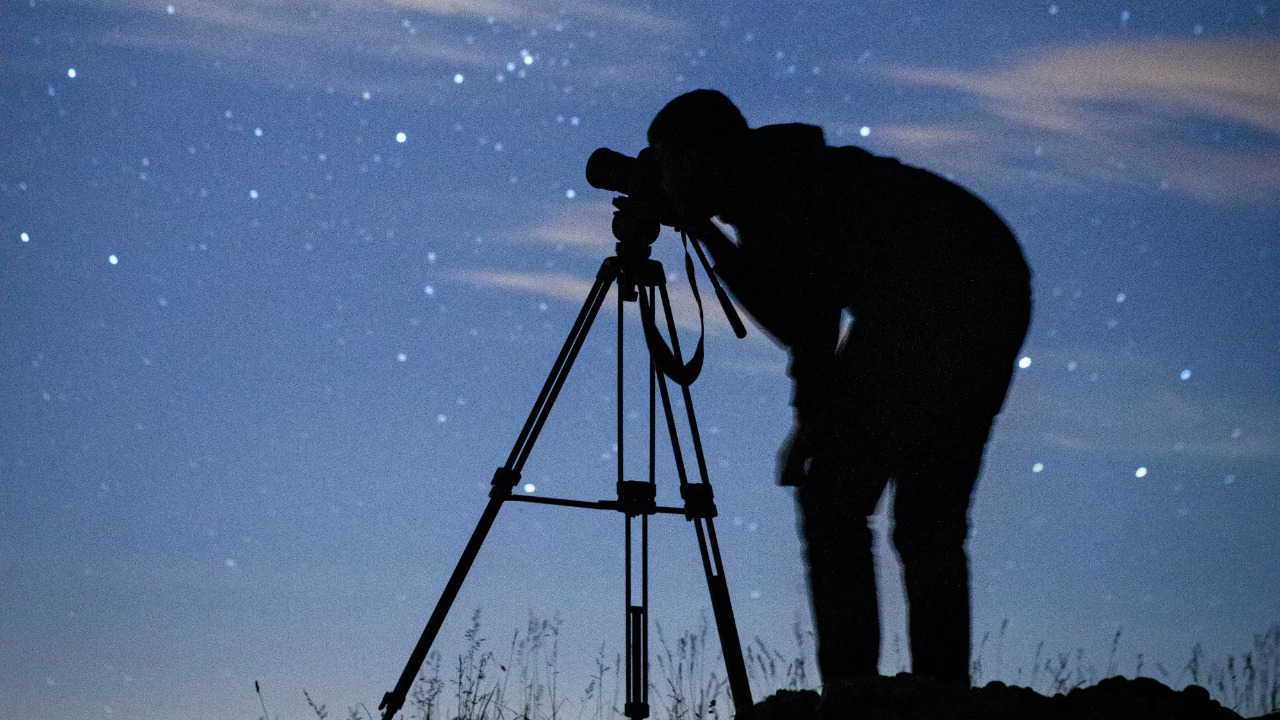
Astronomers and space agencies worldwide are at the forefront of monitoring near-Earth objects (NEOs). Utilizing state-of-the-art technology, including ground-based observatories and space telescopes, these teams track and analyze the movements of asteroids. International collaboration plays a vital role in ensuring comprehensive coverage and timely data sharing. The success of past monitoring efforts, such as predicting the path of the asteroid Apophis, highlights the importance of these initiatives.
Space agencies, including NASA and ESA, employ a range of technologies to detect and track NEOs, ensuring that potential threats are identified well in advance. The data collected not only aids in impact prediction but also enhances our understanding of the dynamics of such objects. Discover more about the nature of this specific asteroid and its trajectory in this article.
Public Perception and Media Coverage

The media has played a significant role in shaping public perception of this astronomical event. Coverage ranges from sensational headlines to in-depth scientific analyses, sparking widespread curiosity and concern about space safety. The public’s interest in planetary defense has been heightened, providing an opportunity for educational outreach and engagement with the scientific community.
While some media outlets focus on the dramatic potential of such impacts, others emphasize the scientific and technological advancements that enable us to monitor and understand these cosmic occurrences. Public reactions vary, with some expressing concern over the potential risks, while others view it as an exciting opportunity to learn more about our solar system. For a lighter take on recent news, check out this piece.
Implications for Future Asteroid Deflection Strategies
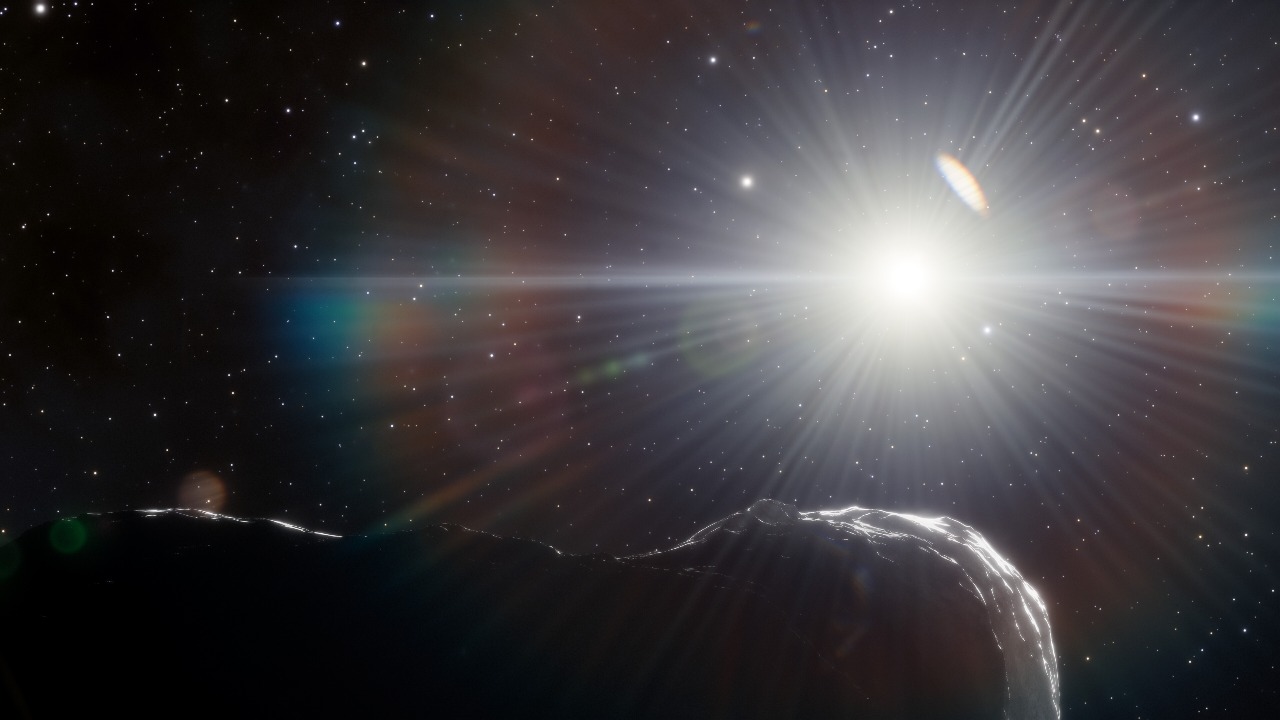
This event underscores the importance of advancing asteroid deflection strategies. Current methods under exploration include kinetic impactors, which involve sending a spacecraft to collide with an asteroid, and more experimental approaches like gravitational tractors. Research and development in this field are crucial for ensuring Earth’s safety against potential asteroid threats in the future.
Past missions, such as NASA’s DART (Double Asteroid Redirection Test), have demonstrated the feasibility of altering an asteroid’s trajectory. The insights gained from these missions inform future strategies and highlight the need for ongoing investment in planetary defense initiatives. By studying this lunar impact event, scientists can refine models and strategies, ultimately contributing to the development of more effective deflection techniques.