
Modern technology brings convenience but also raises privacy concerns. Many household devices are equipped with features that can collect data about you. Knowing which items might be monitoring you is the first step in protecting your privacy at home.
1. Smart Speakers
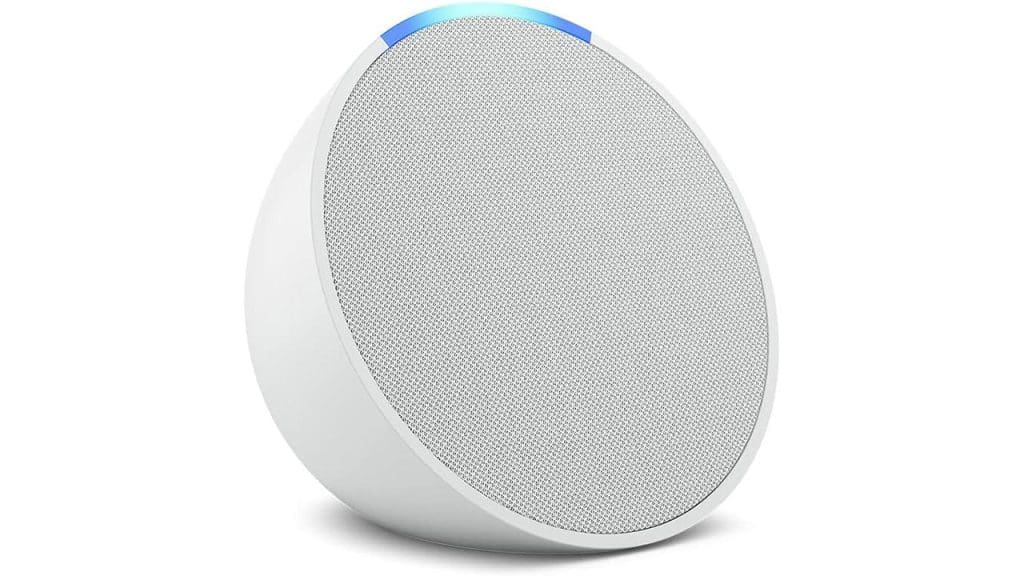
Smart speakers like Amazon Echo and Google Home are designed to make life easier, but their constant listening capabilities can be intrusive. They’re always on standby, waiting for a wake word to activate. This means they are continuously listening to your conversations. While the companies assure users that data is only collected after activation, there have been instances where snippets of conversations were inadvertently recorded.
2. Smart TVs

Smart TVs often come with built-in cameras and microphones. These features can be used to enhance the viewing experience but also pose privacy risks. Some models collect viewing data to personalize ads, and there have been reports of TVs capturing conversations even when turned off. It’s important to review your TV’s privacy settings to minimize unwanted data collection.
3. Security Cameras
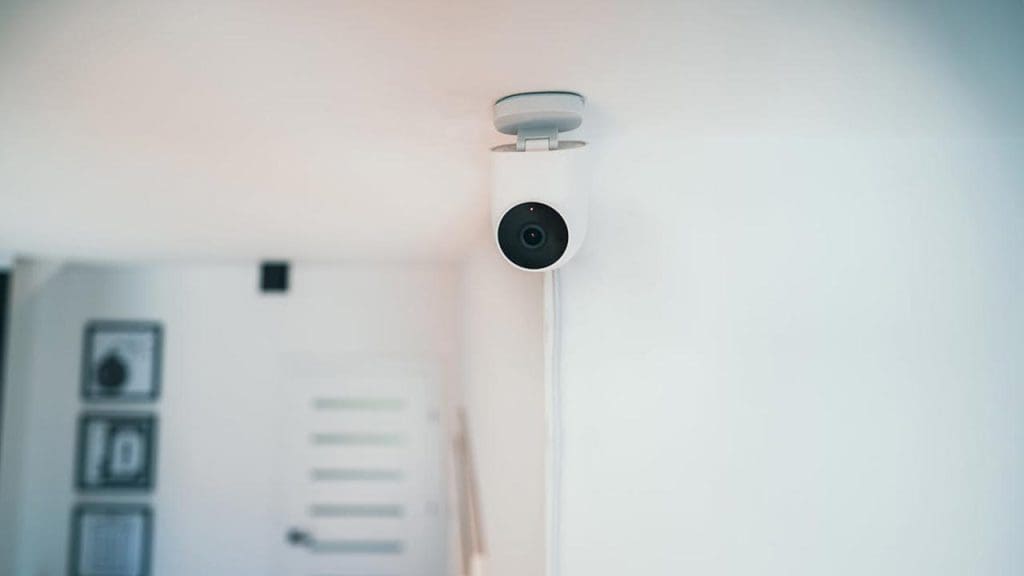
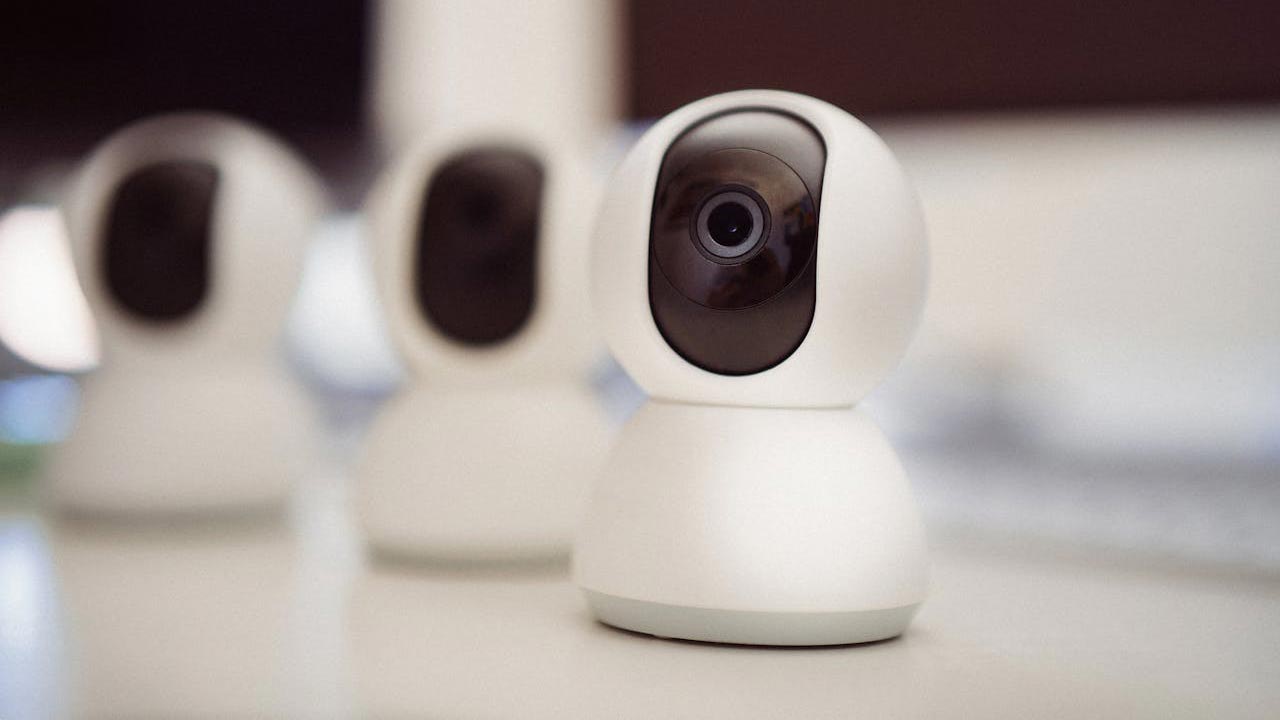
Security cameras are meant to protect your home, but they can also be a source of privacy invasion. If not properly secured, hackers can access live feeds, turning your camera against you. Always ensure your cameras are password-protected and consider disabling remote access when not in use. Many people are unaware that their security system can be hacked, making vigilance key.
4. Smart Thermostats
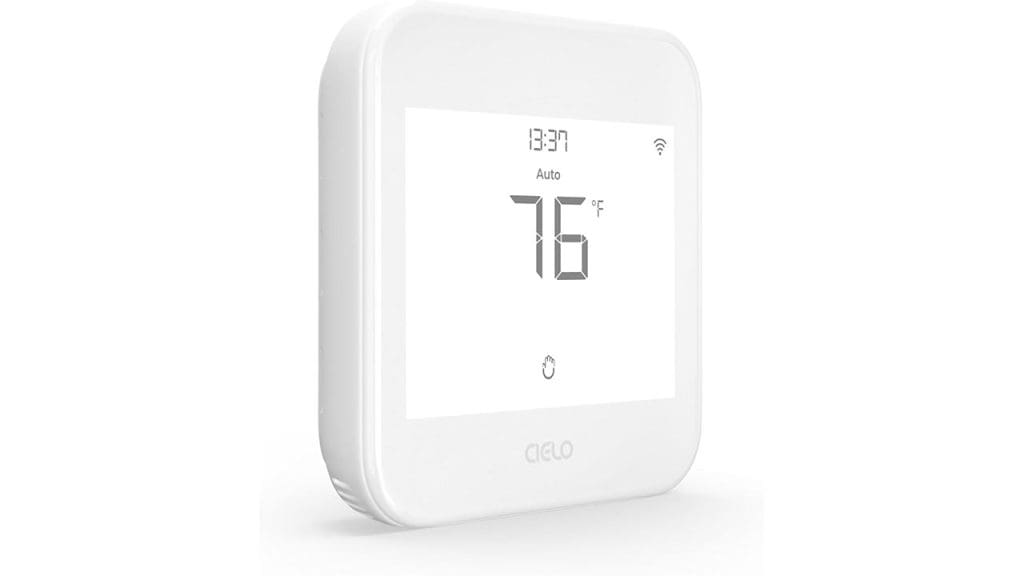
Smart thermostats learn your schedule and preferences to optimize home heating and cooling. However, this means they are constantly tracking your movements and habits. While the data is used to improve efficiency, it can also reveal when you’re away from home. Regularly updating your device and reviewing its privacy policy can help safeguard your information.
5. Video Doorbells
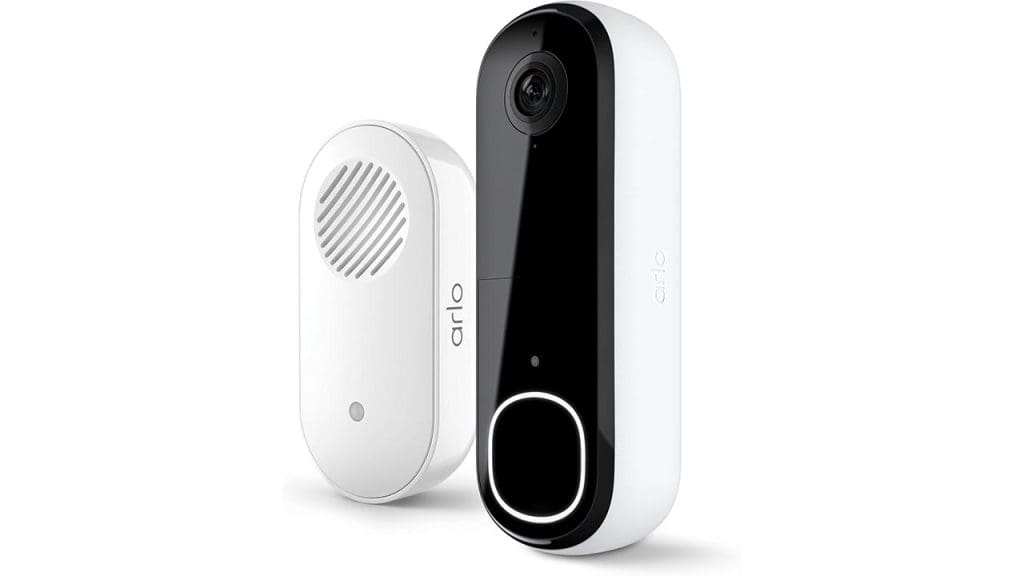
Video doorbells offer convenience and security by allowing you to see who’s at your door. Yet, they also have the potential to record everything in their field of view. This includes conversations on your doorstep. To protect your privacy, ensure that your video doorbell is secured with a strong password and consider disabling audio recording features if not needed.
6. Smart Light Bulbs
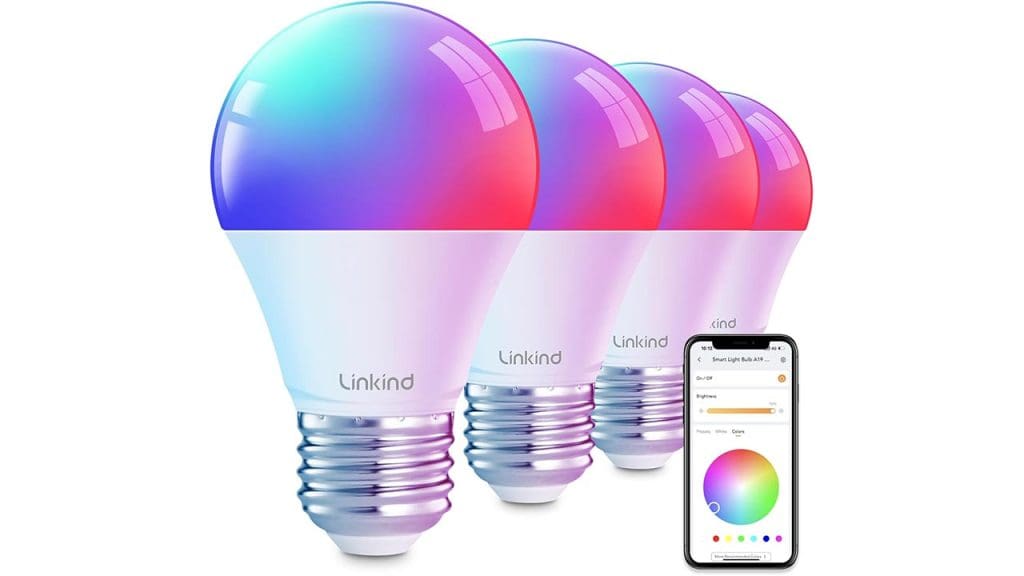
Smart light bulbs are a surprise entry on this list. They collect data on your lighting usage patterns and can be controlled remotely. While they don’t have microphones or cameras, they do contribute to a profile of your daily habits. Understanding what data is collected and how it’s used can help you manage privacy concerns.
7. Smart Refrigerators

Smart refrigerators can track your food inventory and suggest recipes, but they might also be collecting more data than you realize. These appliances often connect to the internet, making them susceptible to hacking. It’s important to be aware of what information you’re sharing and to secure your fridge with a strong password.
8. Laptops and Computers

Your laptop or computer is a potential hub for privacy breaches. From webcams to browsing history, these devices store a lot of personal information. Ensure your operating system and antivirus software are up to date to protect against unauthorized access. Many users overlook the importance of software updates in maintaining security.
9. Smartphones

Smartphones are incredibly convenient but are also a treasure trove of personal data. Apps often request access to your camera, microphone, and location, which can be misused. Regularly reviewing app permissions and utilizing privacy settings can help you control what information is shared. For more insights, check out this article.
10. Baby Monitors
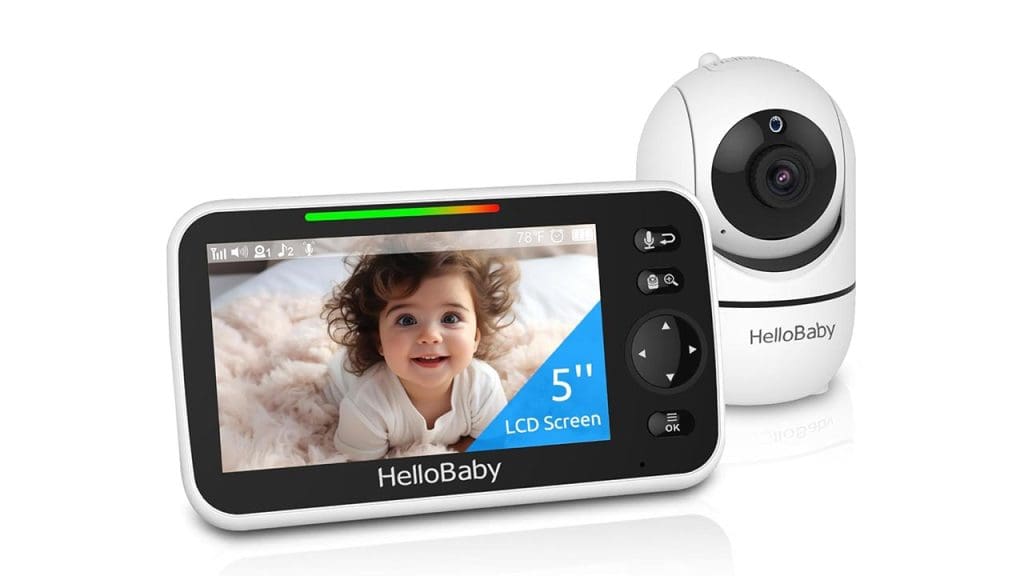
Baby monitors provide peace of mind but can also become surveillance devices. If not properly secured, they can be accessed by unauthorized users. Choose monitors with strong encryption and regularly update their firmware to protect your family’s privacy. Awareness of these risks is crucial for ensuring the safety and privacy of your household.
11. Gaming Consoles

Gaming consoles have evolved into entertainment systems that connect to the internet, making them vulnerable to hacking. They collect data on your gaming habits and can also have access to microphones and cameras. To protect your information, use strong passwords and be mindful of the permissions granted to gaming apps.
12. Smart Home Assistants
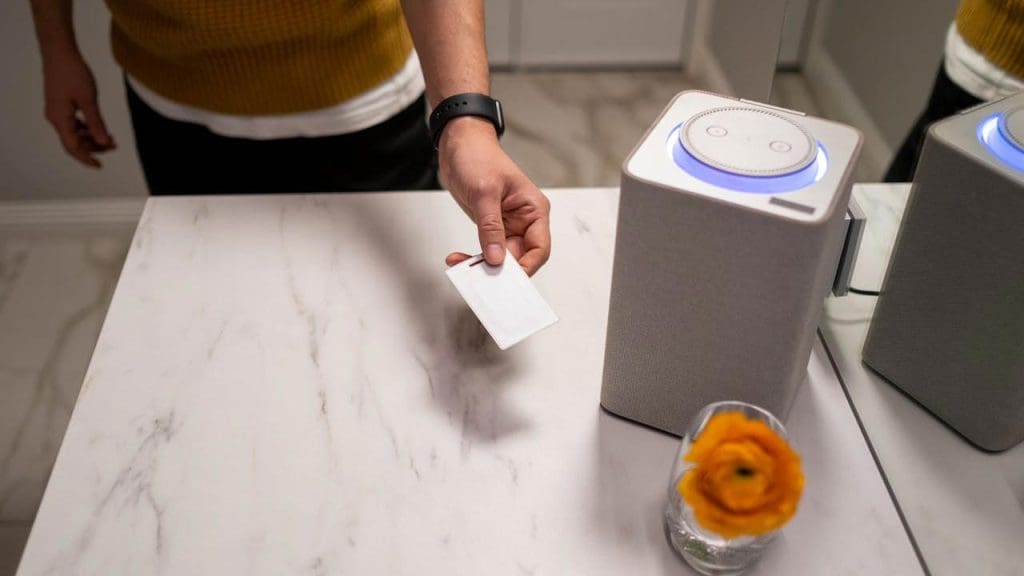
Smart home assistants are the ultimate convenience but can also be the most invasive. They integrate with various smart devices and track your interactions to provide better assistance. Regularly review the privacy settings and data usage policies of your smart home assistant to safeguard your personal information. For more on how these devices are monitored, see this resource.