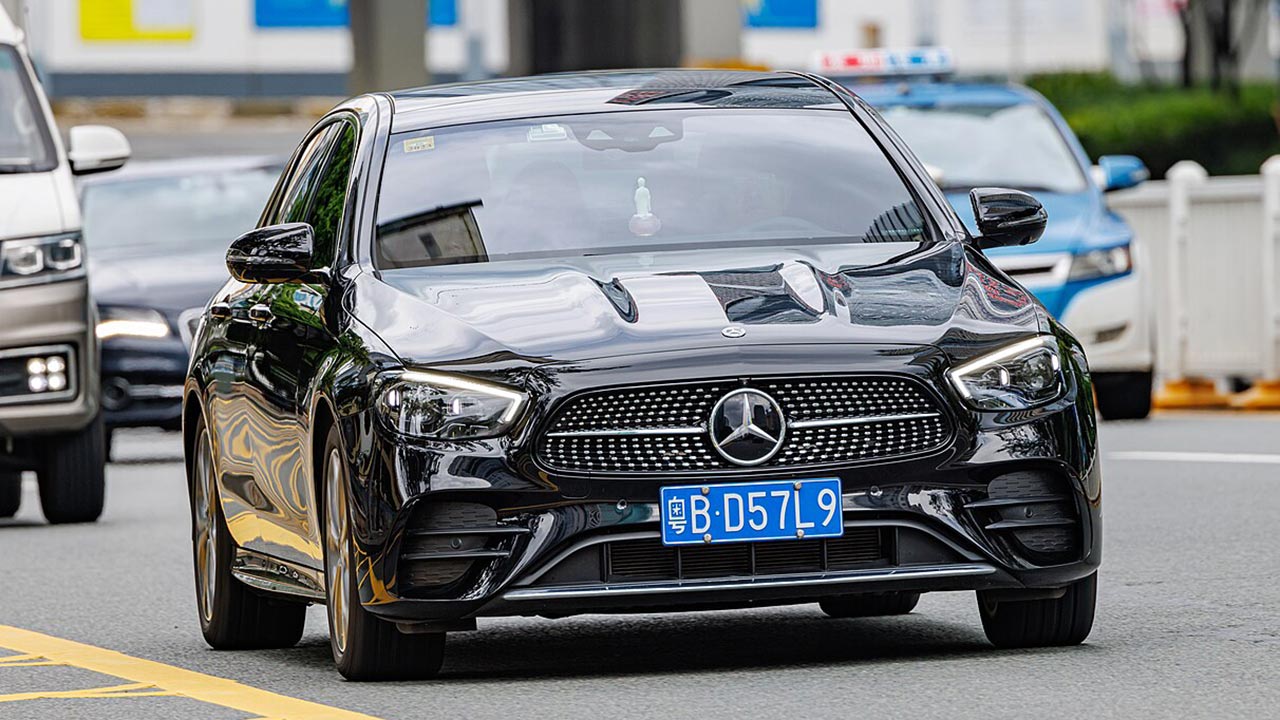

In today’s data-driven world, cars are not just vehicles; they are sophisticated data collectors. Many modern cars gather a wide array of data to enhance user experience and improve safety. However, this also raises concerns about data privacy and how this information is shared. Below is a list of ten cars that are known for collecting the most data.
1. Tesla Model S
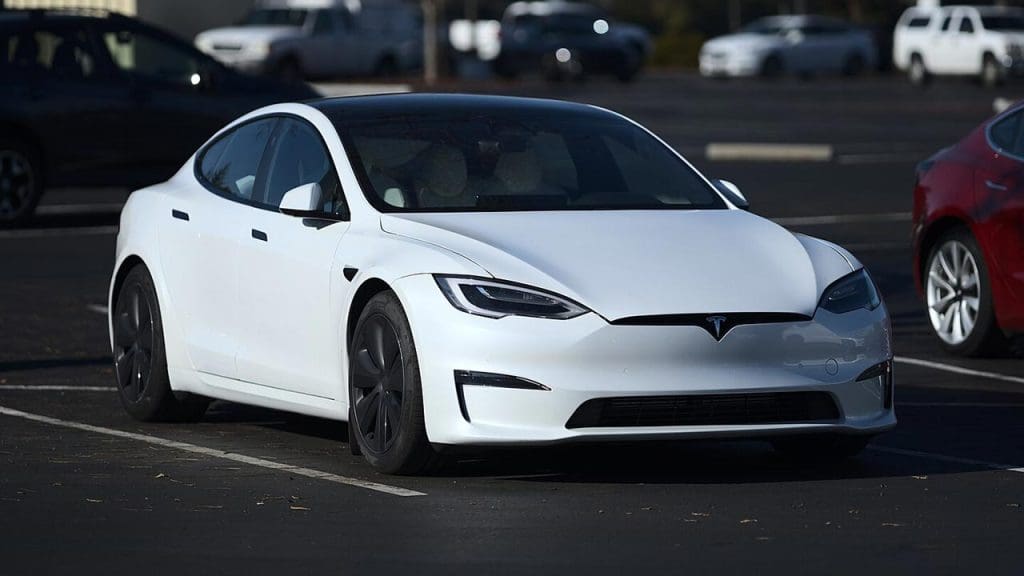
The Tesla Model S is a leader in data collection, thanks to its advanced autopilot features and connectivity options. It collects data on speed, location, and driver behavior to improve its self-driving algorithms. Tesla’s commitment to innovation is also reflected in its ability to update software over-the-air, which requires constant data communication. However, Tesla has faced scrutiny regarding how it handles this data, making it a subject of ongoing debate among privacy advocates.
2. Ford F-150
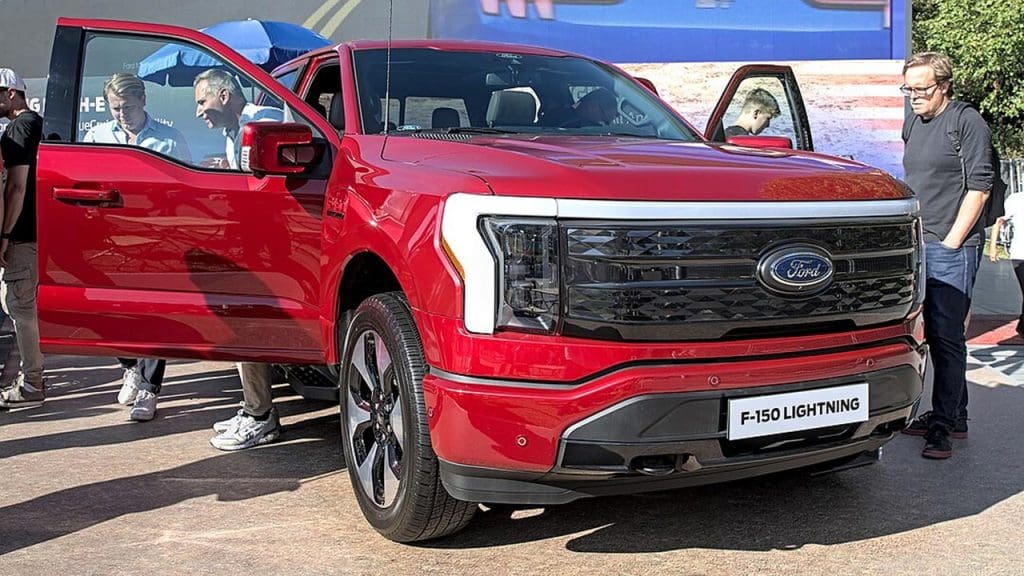
The Ford F-150 is not just a workhorse; it’s a data powerhouse. This popular truck is equipped with features like FordPass Connect, which allows for remote access and monitoring. The vehicle collects information on fuel efficiency, maintenance needs, and driving patterns. Ford’s integration of connected services aims to enhance user experience but also raises questions about data privacy and how this information might be used by third parties.
3. BMW 3 Series
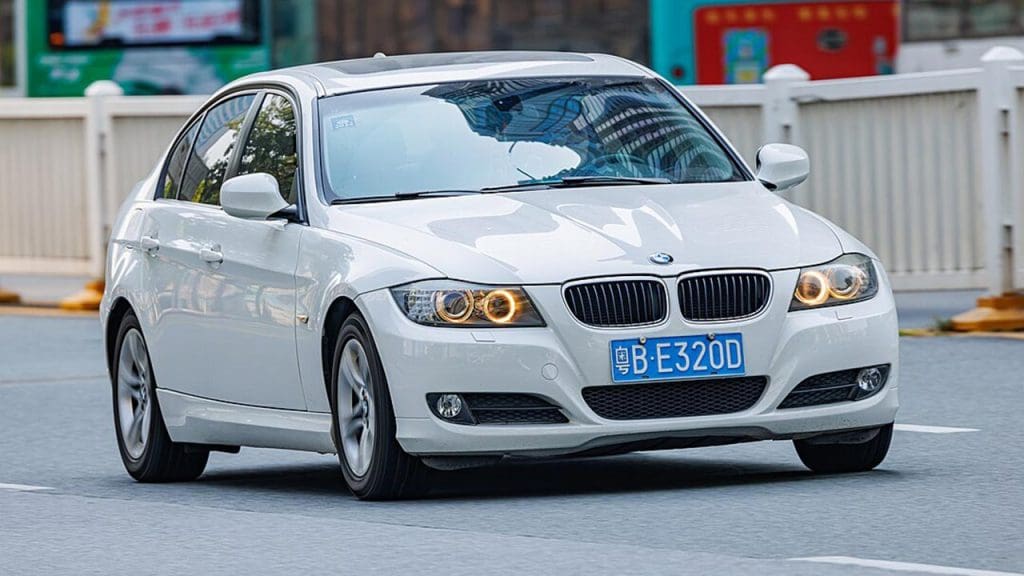
The BMW 3 Series is renowned for its blend of luxury and performance, but it’s also a significant data collector. With features like BMW ConnectedDrive, the car gathers information on navigation, driving patterns, and vehicle diagnostics. This data helps improve the user experience and provides valuable insights for BMW’s development teams. However, the extent of data collection has raised privacy concerns, prompting discussions on how such data is stored and shared.
4. Mercedes-Benz E-Class
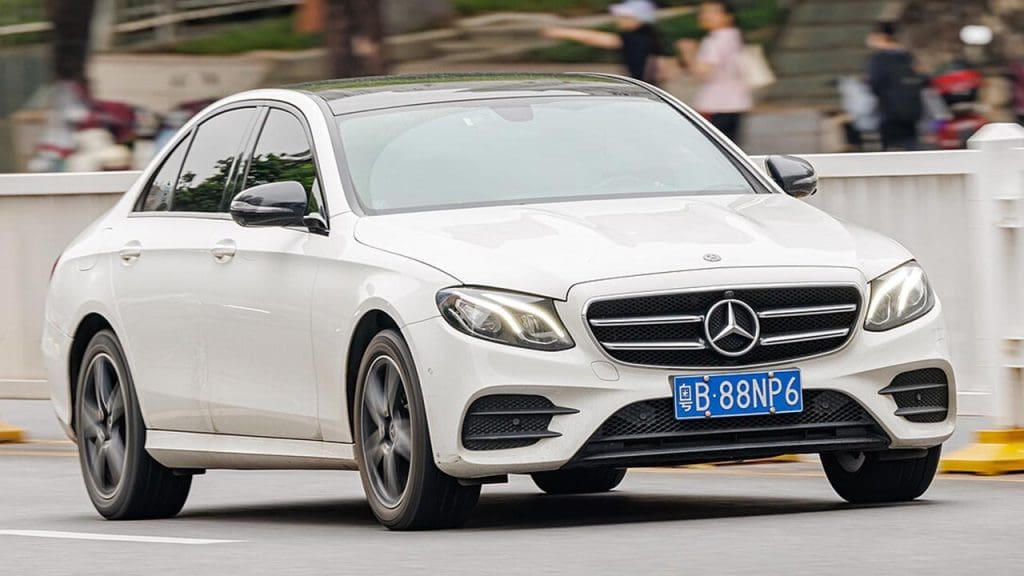
The Mercedes-Benz E-Class is a benchmark in luxury, and its data collection capabilities are equally impressive. Equipped with the MBUX infotainment system, the vehicle collects data on user preferences, usage patterns, and even voice commands. This information is used to provide personalized experiences but also involves extensive data sharing with third parties, raising questions about data privacy.
5. Audi A4
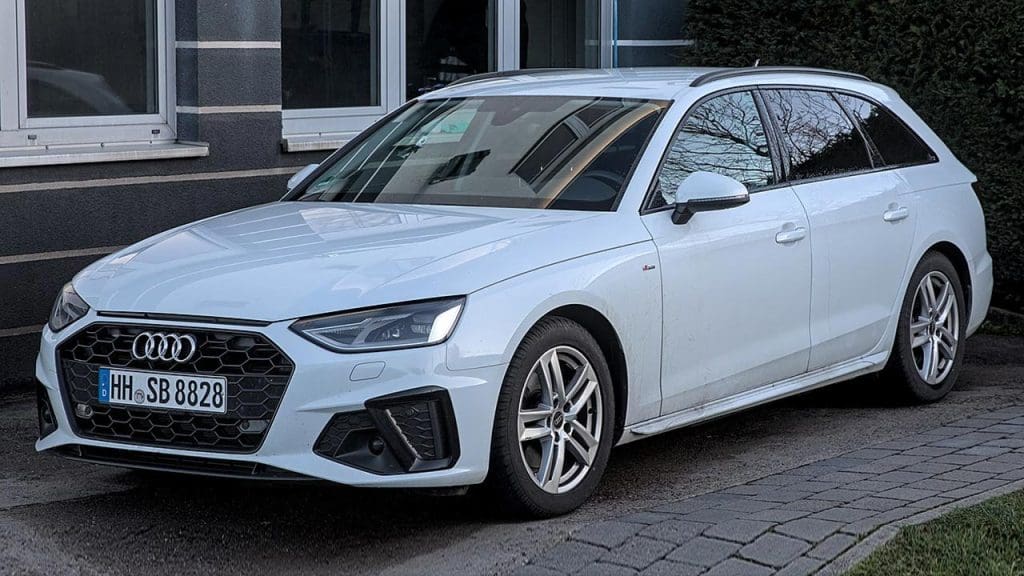
The Audi A4 combines performance with cutting-edge technology, including extensive data collection. The vehicle uses sensors and systems to gather information on everything from tire pressure to driver behavior. Audi’s commitment to safety and efficiency is supported by this data, yet it also leads to concerns about how this information is managed and protected from unauthorized access.
6. Chevrolet Silverado
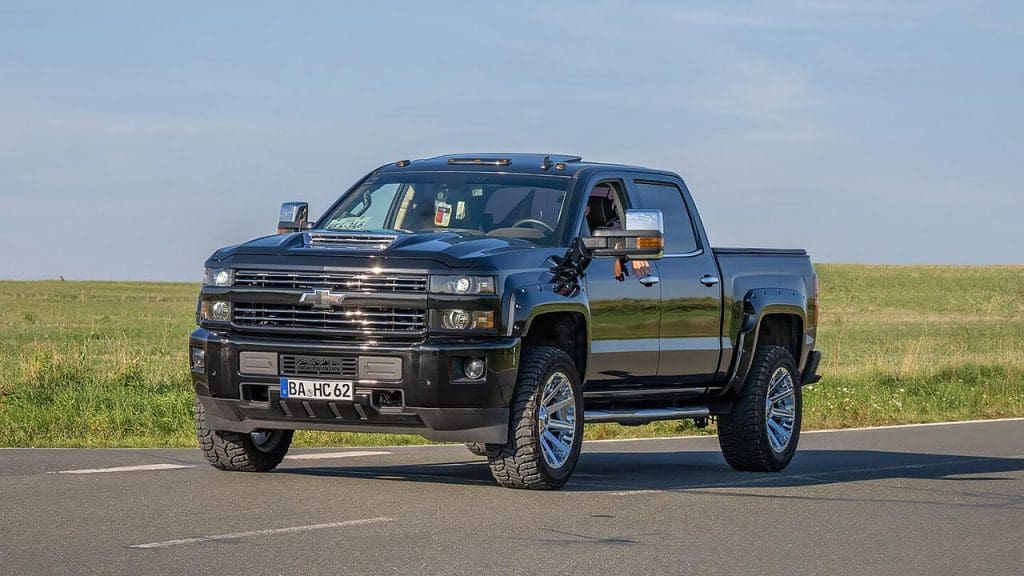
The Chevrolet Silverado is more than just a rugged truck; it’s a data-centric machine. With features like OnStar services and advanced telematics, the Silverado collects data on vehicle health, location, and driving habits. This data is crucial for enhancing safety and convenience, but it also necessitates a closer look at how data privacy is maintained in the face of increasing connectivity.
7. Honda Accord
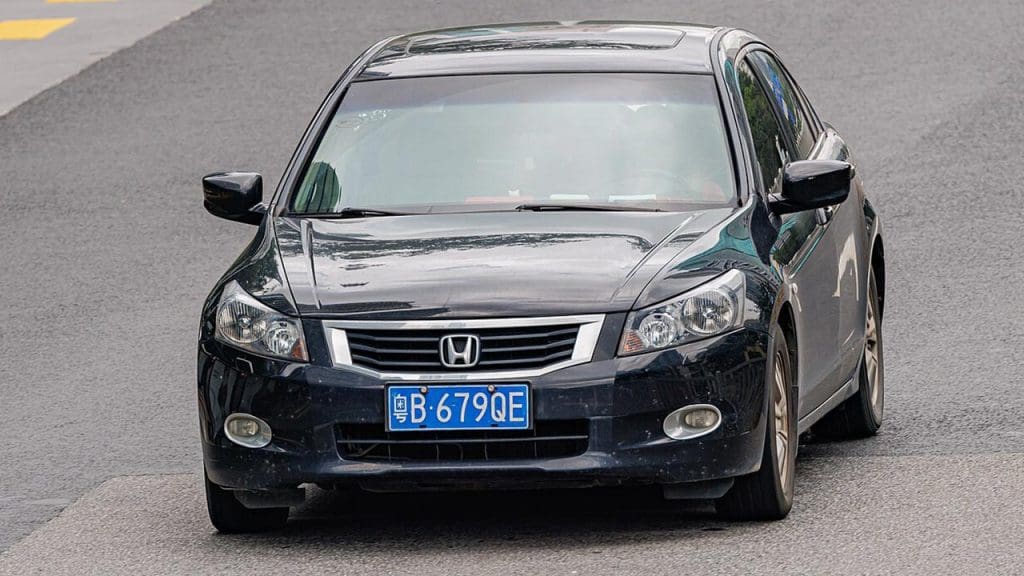
The Honda Accord is a staple in the sedan market, and its data collection capabilities are noteworthy. Through the HondaLink system, the vehicle gathers data on navigation, fuel efficiency, and driver behavior. This information helps improve the car’s functionality and user experience, while also supporting Honda’s development strategies. However, as with many modern cars, there are ongoing discussions about how this data is used and shared.
8. Toyota Camry

The Toyota Camry is a best-seller, known for reliability and innovation, including its data collection features. With Toyota’s Safety Sense and connected services, the Camry collects data on driving conditions and patterns. This data is vital for enhancing safety features and providing personalized services, but it also requires transparency regarding how this information is used and with whom it’s shared.
9. Nissan Leaf
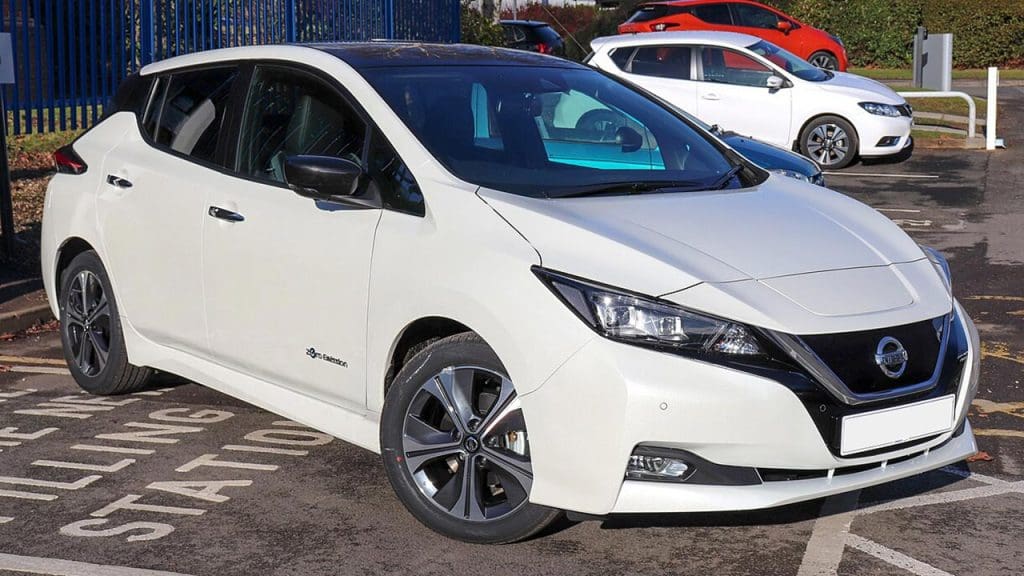
The Nissan Leaf, a pioneer in the electric vehicle market, is also a frontrunner in data collection. The car’s telematics system gathers data on battery life, energy consumption, and driving habits. This information helps optimize efficiency and extend battery life, but it also highlights the need for stringent data privacy measures, especially as electric vehicles become more prevalent.
10. Volvo XC90
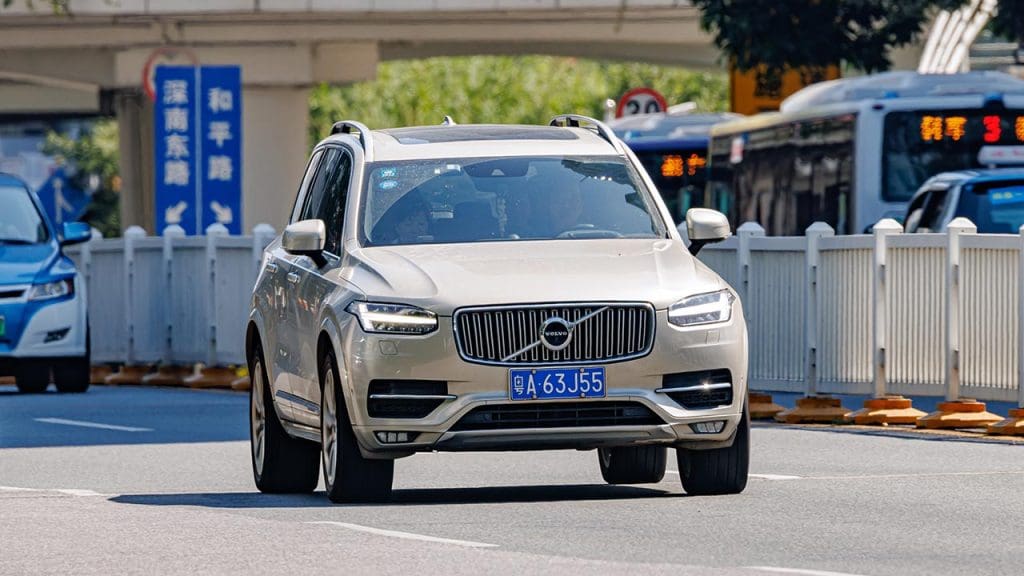
The Volvo XC90 is a luxury SUV that excels in safety and data collection. With systems like Volvo On Call, the vehicle collects data on vehicle diagnostics, location, and user preferences. This data is integral to Volvo’s safety initiatives and personalization features. However, it also necessitates careful management to ensure that user data is protected and used responsibly.