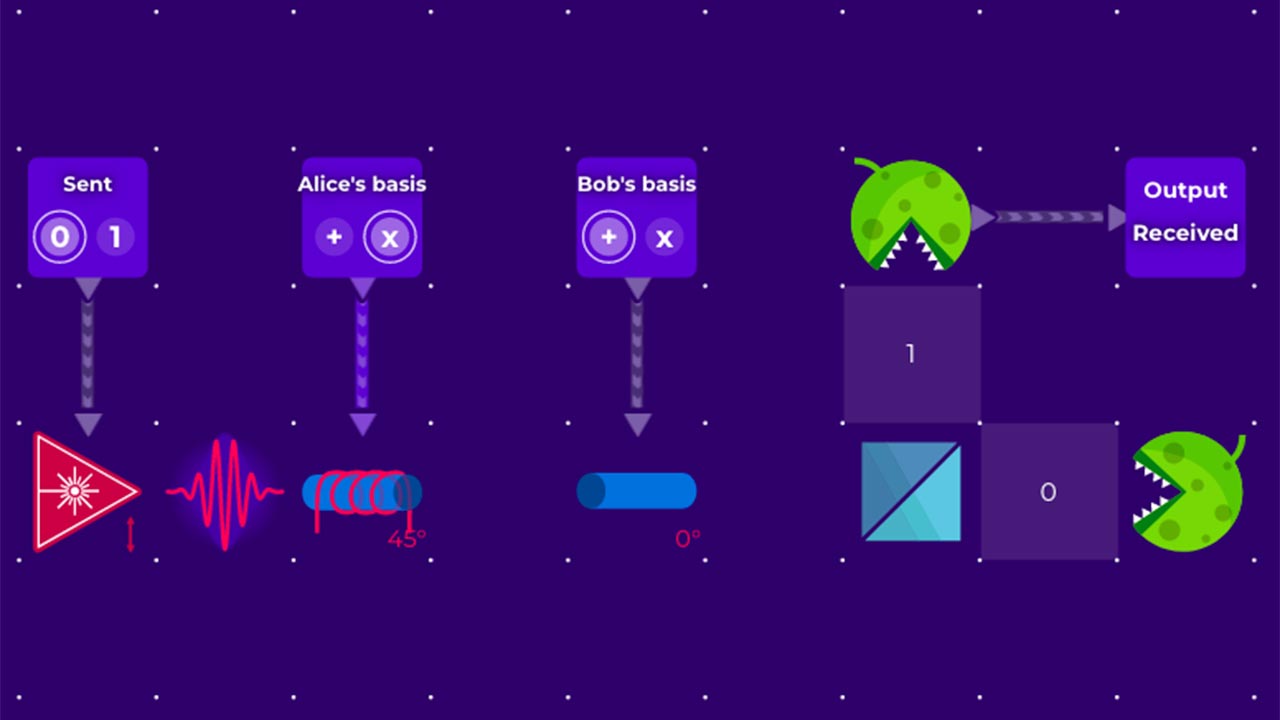

Quantum physics, often enigmatic and complex, has seen numerous experiments that have reshaped our understanding of the universe. From the curious behaviors of particles to groundbreaking technological advancements, these experiments have proven the bizarre yet fascinating principles of quantum mechanics. Here, I explore nine pivotal quantum experiments that not only worked but also left a lasting impact on both science and technology.
Double-Slit Experiment

The Double-Slit Experiment is fundamental in illustrating the wave-particle duality of light and matter. When particles like electrons are fired through two slits, they create an interference pattern, suggesting wave-like behavior. Yet, observing the particles collapses the wave function, making them behave like particles. This phenomenon raises intriguing questions about the nature of observation and reality, offering profound insights into the quantum world.
Quantum Entanglement Demonstration
Quantum entanglement, once termed as “spooky action at a distance” by Einstein, has been successfully demonstrated in various experiments. Entangled particles maintain a connection regardless of distance, meaning a change in one affects the other instantaneously. This phenomenon is a cornerstone of quantum physics and has been empirically validated, providing a deeper understanding of quantum correlation.
Quantum Teleportation Test

Quantum teleportation is a means of transferring quantum information, such as the precise state of an atom or photon, from one location to another without physical transmission. This process was successfully tested, marking a significant milestone in the field. While it doesn’t teleport matter, the ability to transfer information instantly holds promise for quantum communication and computing.
Quantum Computing Milestone
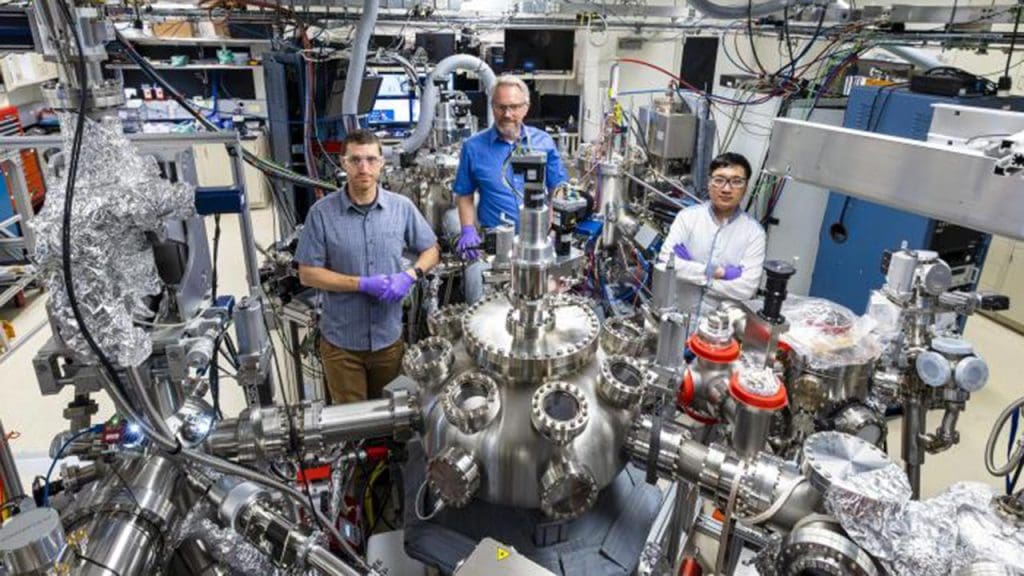
Quantum computing reached a landmark when Google claimed to achieve “quantum supremacy.” Their quantum processor completed a complex calculation in seconds, which would have taken classical supercomputers millennia. This experiment showcases the potential of quantum computers to solve problems beyond the reach of traditional technology. For more details, read this report from The New York Times.
Quantum Cryptography Success
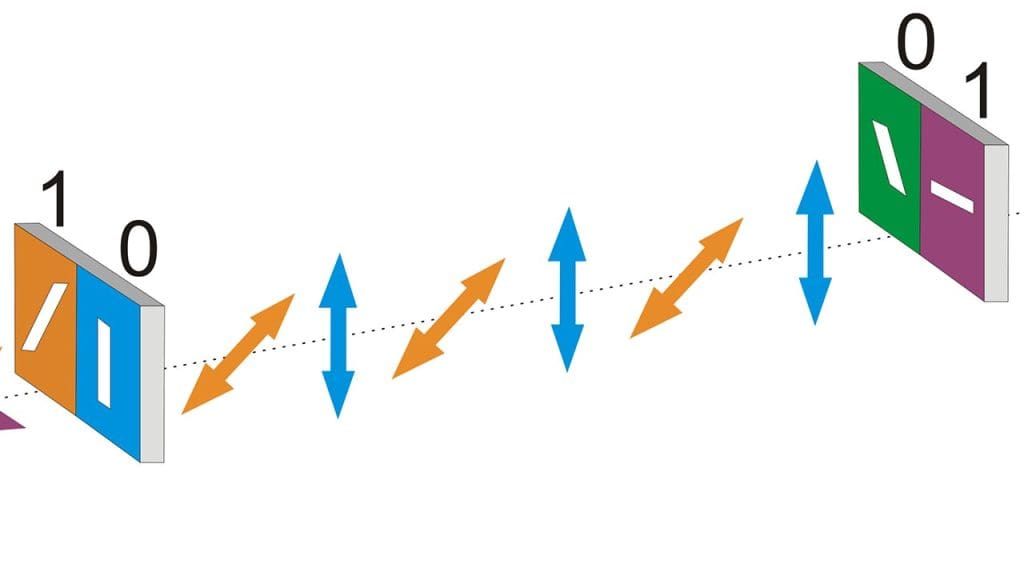
Quantum cryptography leverages the principles of quantum mechanics to enhance security in data transmission. By using quantum keys that are virtually unhackable, this technology ensures secure communication channels. Successful experiments have demonstrated that any attempt to intercept the keys alters their state, alerting the intended parties to the breach, thus providing unparalleled cryptographic security.
Quantum Superposition Verification

Superposition, the ability of quantum systems to exist in multiple states simultaneously, was verified through various experiments using particles like electrons and photons. This phenomenon allows quantum computers to process vast amounts of data in parallel, far surpassing classical computers. The validation of superposition is crucial for understanding quantum mechanics and developing new technologies.
Bell’s Inequality Experiment
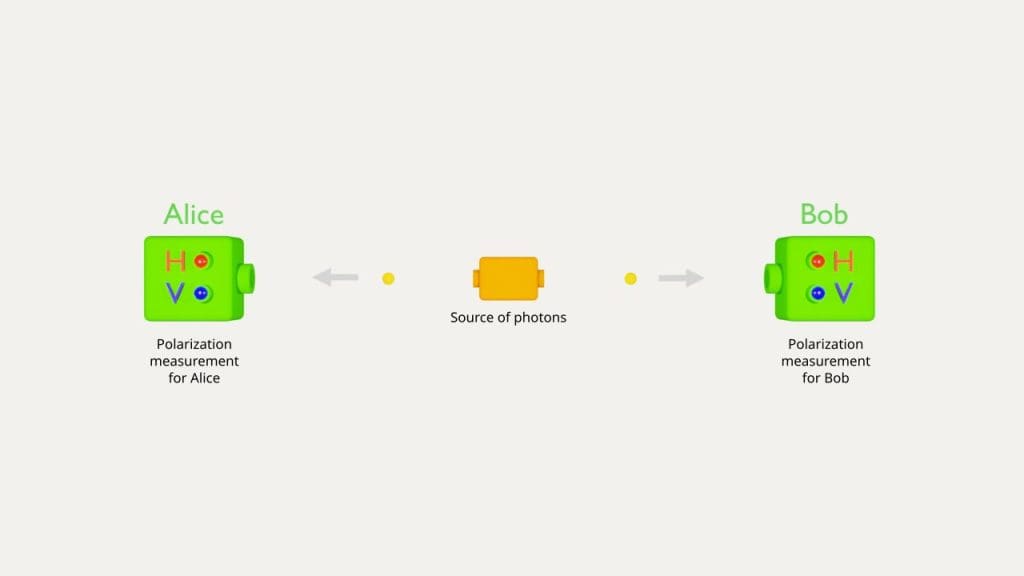
Bell’s Inequality Experiment tested the principles of quantum mechanics against classical physics, challenging the notion of local realism. The results supported the predictions of quantum mechanics, verifying entanglement and non-locality. This experiment is pivotal in confirming that quantum correlations cannot be explained by any local hidden variable theory, reshaping our understanding of reality.
Quantum Zeno Effect Observation
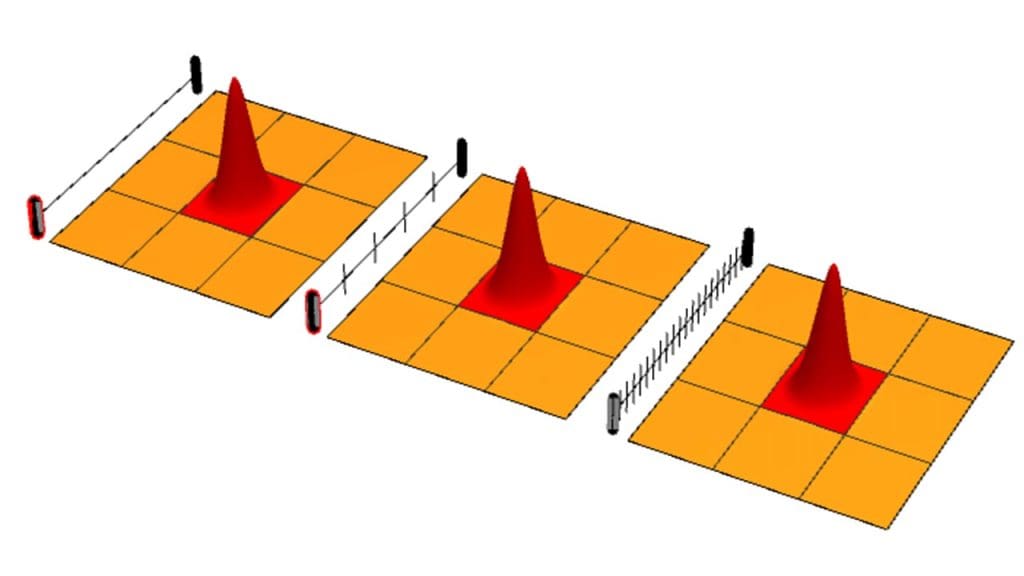
The Quantum Zeno Effect suggests that a quantum system’s state can be frozen by frequent observation. Experiments have shown that repeated measurements can effectively halt the evolution of a quantum system, confirming the effect. This discovery has implications for quantum control and computing, highlighting the intricate relationship between observation and quantum systems.
Bose-Einstein Condensate Creation

A Bose-Einstein Condensate (BEC) is a state of matter formed at near absolute zero temperatures, where particles occupy the same quantum state. Its creation was a significant breakthrough, providing a new platform to explore quantum phenomena on a macroscopic scale. Studies of BECs have enhanced our understanding of quantum mechanics and opened new avenues in research.