
Throughout history, conflict has often been a catalyst for technological innovation. Many everyday technologies we take for granted today have their origins in military needs and wartime research. Here, I explore ten significant technological advancements that emerged from the crucible of war.
Radar Technology

Originally developed during World War II, radar technology revolutionized the way we detect and track objects. It was pivotal for military operations, as it allowed forces to identify incoming enemy aircraft long before they were visible. Over time, radar has found numerous applications in civilian life, from weather forecasting to air traffic control. Its development marked a turning point in both military strategy and civil aviation safety [source].
The Internet

The Internet’s origins can be traced back to the Advanced Research Projects Agency Network (ARPANET), a project funded by the U.S. Department of Defense during the Cold War. ARPANET was designed to enable secure, resilient communication between military and research institutions. This pioneering network laid the groundwork for the global Internet, transforming how we communicate, work, and access information today [source].
GPS Navigation

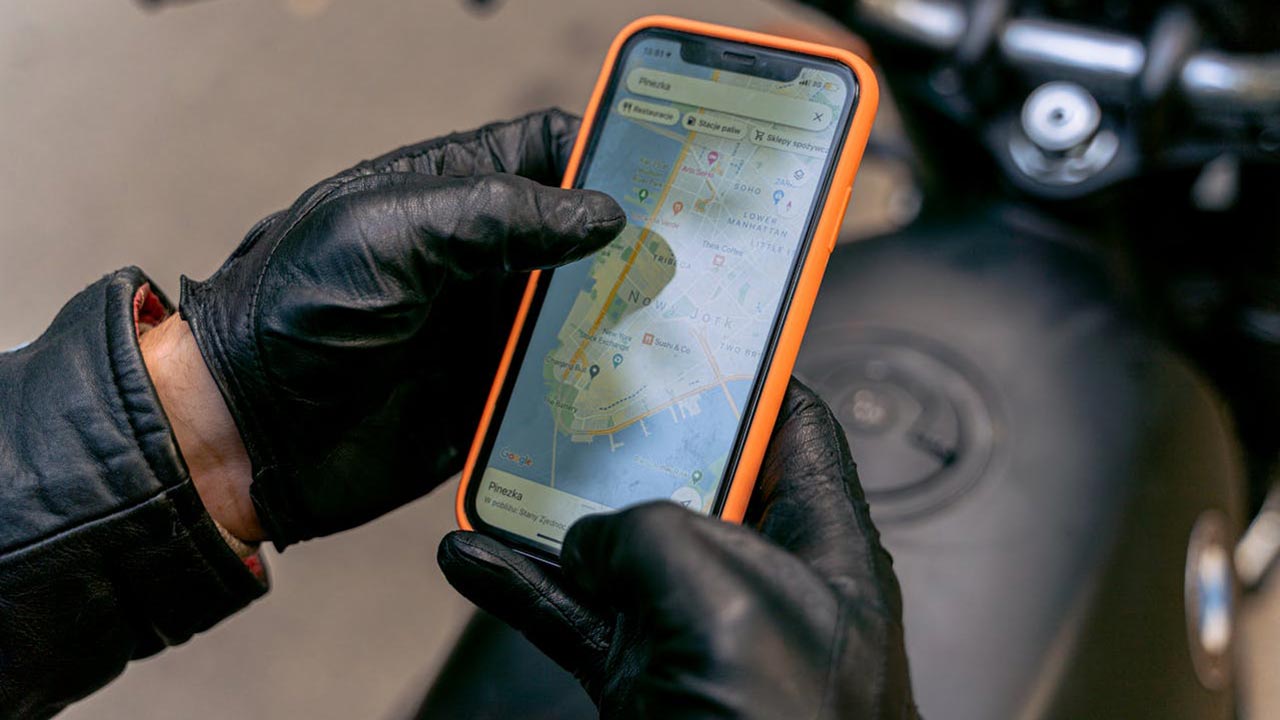
Global Positioning System (GPS) technology was initially developed by the U.S. Department of Defense to enhance military navigation capabilities. By providing precise location data, GPS transformed military operations. Its civilian application has revolutionized everything from personal navigation to logistics and agriculture. What began as a military necessity has become an indispensable tool for countless industries.
Drones
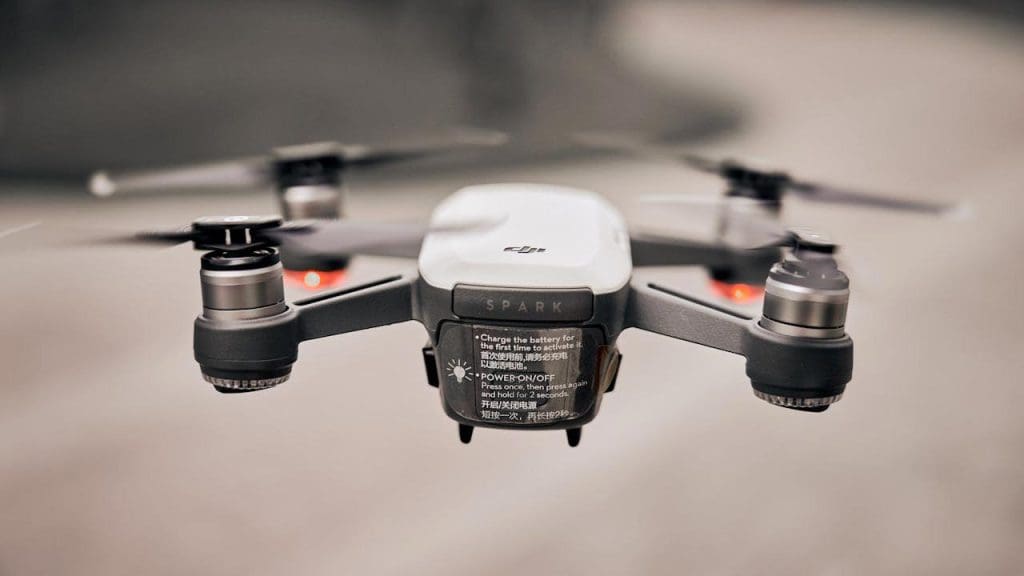
Unmanned aerial vehicles (UAVs), commonly known as drones, have their roots in military applications. Initially used for reconnaissance and surveillance, drones have evolved to serve a wide range of purposes, including targeted strikes and humanitarian aid delivery. Their versatility has also spurred civilian uses, such as photography, agriculture, and disaster management [source].
Jet Engines
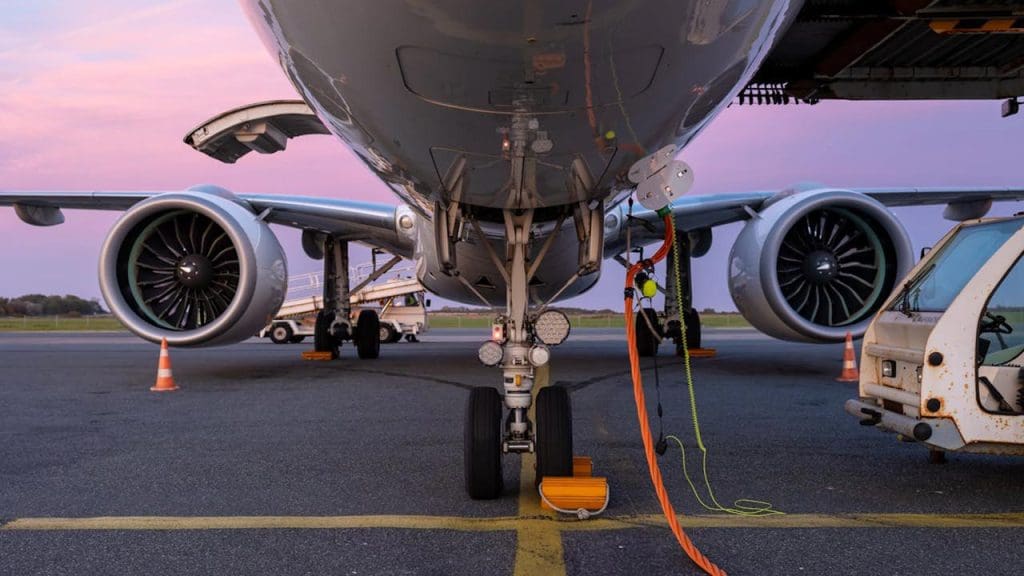
The development of jet engines during World War II significantly advanced aviation technology. Originally designed to give military aircraft superior speed and altitude capabilities, jet engines revolutionized air travel. Today, they power most commercial airliners, enabling faster, more efficient global transportation. This wartime innovation has had a lasting impact on both military and civil aviation.
Penicillin Mass Production

While penicillin was discovered before World War II, it was the war effort that propelled its mass production. Recognizing its potential to save lives, military forces invested heavily in producing penicillin on a large scale. This effort not only helped treat wounded soldiers but also paved the way for the widespread use of antibiotics, revolutionizing medicine and saving countless lives [source].
Night Vision Devices
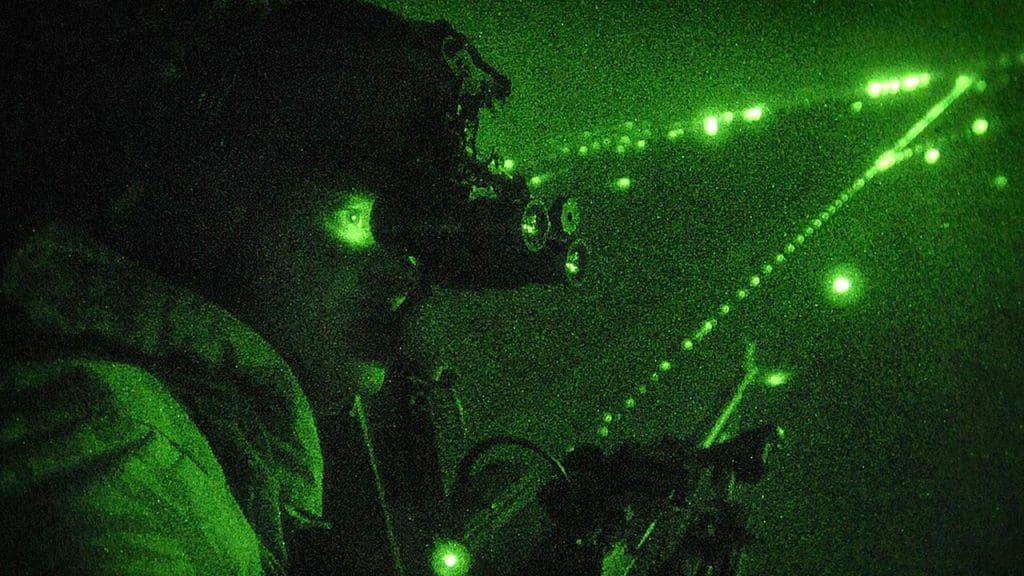
Night vision technology was developed to give military forces an advantage in low-light conditions. These devices, which amplify available light, have transformed nighttime operations. Beyond the battlefield, night vision is now used by law enforcement, search and rescue teams, and wildlife researchers, showcasing its versatile applications in various fields.
Walkie-Talkies

Walkie-talkies were first developed for military communication during World War II. These portable, two-way radios allowed soldiers to maintain contact over short distances, enhancing coordination and safety. Today, walkie-talkies are used in numerous civilian contexts, from outdoor recreation to event management, thanks to their convenience and reliability.
Digital Cameras
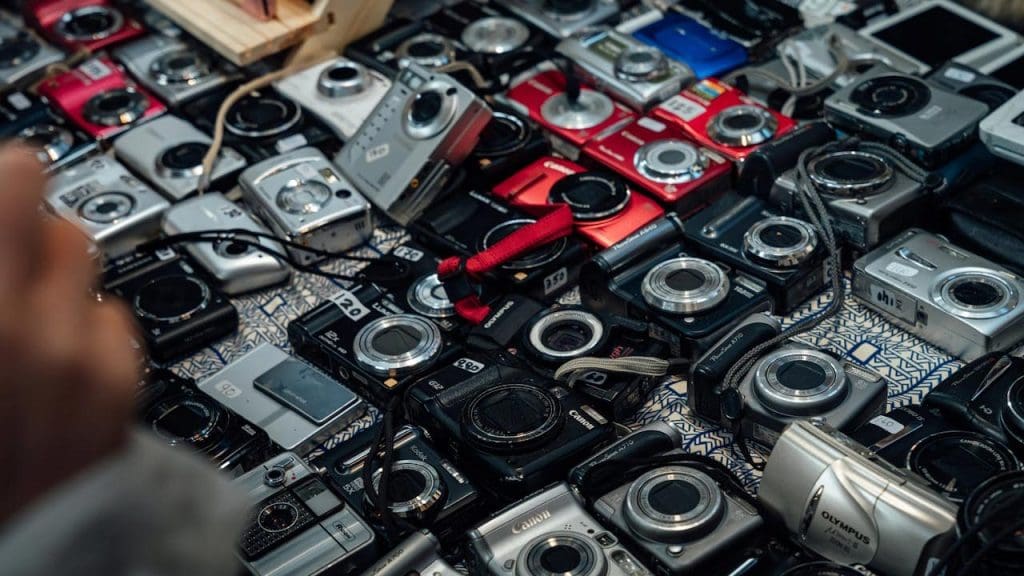
The development of digital imaging technology was driven by the need for reconnaissance and surveillance. Originally used in spy satellites, digital cameras have since become ubiquitous in consumer electronics. From smartphones to professional photography, digital cameras have revolutionized the way we capture and share images, all stemming from military innovations.
Microwave Ovens

The microwave oven, a staple in modern kitchens, owes its existence to radar technology from World War II. Percy Spencer, an engineer working on radar, noticed that microwaves could heat food. This accidental discovery led to the development of the first microwave ovens, transforming food preparation worldwide [source].