

In the ever-evolving world of material science, researchers are constantly pushing the boundaries of what we know about the physical world. From quantum phenomena to self-healing structures, these innovative materials are redefining the limits of physics. Let’s dive into six groundbreaking materials that seem to defy the laws of nature.
Quantum Tunneling Superconductors

Quantum tunneling superconductors are at the forefront of modern physics. These materials allow electrons to pass through barriers without losing energy, thanks to quantum tunneling. This phenomenon is not only fascinating but also highly practical, as it enables the creation of superconductors that can operate at higher temperatures. The potential applications for this technology are vast, from more efficient power grids to advanced quantum computers. Researchers are continuously exploring this strange material that challenges our understanding of quantum mechanics.
Self-Healing Metamaterials

Imagine a material that can repair itself after being damaged. Self-healing metamaterials are designed to do just that. By mimicking biological processes, these materials can autonomously restore their structure and function, significantly extending their lifespan and reducing the need for maintenance. Applications range from aerospace to consumer electronics, offering a sustainable solution to material degradation. The innovation lies in their ability to sense and respond to damage, effectively healing themselves without external intervention.
Programmable Matter

Programmable matter is a concept straight out of science fiction, but it’s rapidly becoming a reality. This technology consists of materials that can change their physical properties based on programmed instructions. By altering their shape, density, or conductivity, these materials can adapt to different tasks and environments. The implications are profound, offering new possibilities in robotics, manufacturing, and beyond. Watch this video to see how programmable matter is set to transform our world.
Negative Index Metamaterials

Negative index metamaterials are engineered to manipulate electromagnetic waves in unprecedented ways. These materials have a negative refractive index, allowing them to bend light in the opposite direction of normal materials. This unique property opens up exciting possibilities, such as creating invisibility cloaks or perfect lenses that can overcome the diffraction limit. The development of negative index metamaterials is a testament to the power of human ingenuity in crafting materials that defy conventional physics.
Ultra-lightweight Aerogels

Aerogels are renowned for their extremely low density and excellent insulating properties. These ultra-lightweight materials are composed mostly of air, giving them a ghostly appearance and an impressive strength-to-weight ratio. Aerogels are used in a variety of applications, from thermal insulation in space missions to oil spill cleanup. Their unique structure allows them to perform feats that seem to defy the laws of gravity and material science. For more on these incredible materials, check out this book on groundbreaking materials.
Shape-shifting Alloys
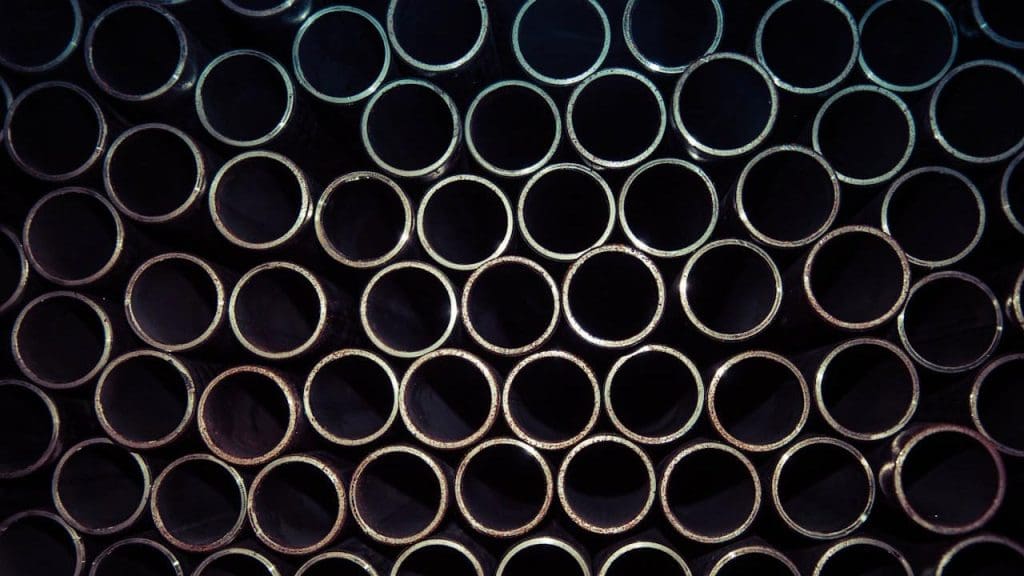
Shape-shifting alloys, also known as shape memory alloys, have the remarkable ability to return to a predetermined shape when heated. This property is due to their unique atomic structure, which allows them to “remember” their original form. These alloys are used in various fields, from medical stents that expand at body temperature to actuators in aerospace engineering. Their ability to undergo reversible transformations makes them a valuable asset in designing responsive and adaptive systems.