
NASA has played a pivotal role in advancing technology beyond space exploration. Many everyday conveniences have their roots in innovations developed for space missions. These technologies, initially designed for astronauts, have found their way into our homes and daily lives, improving safety, health, and efficiency.
Memory Foam
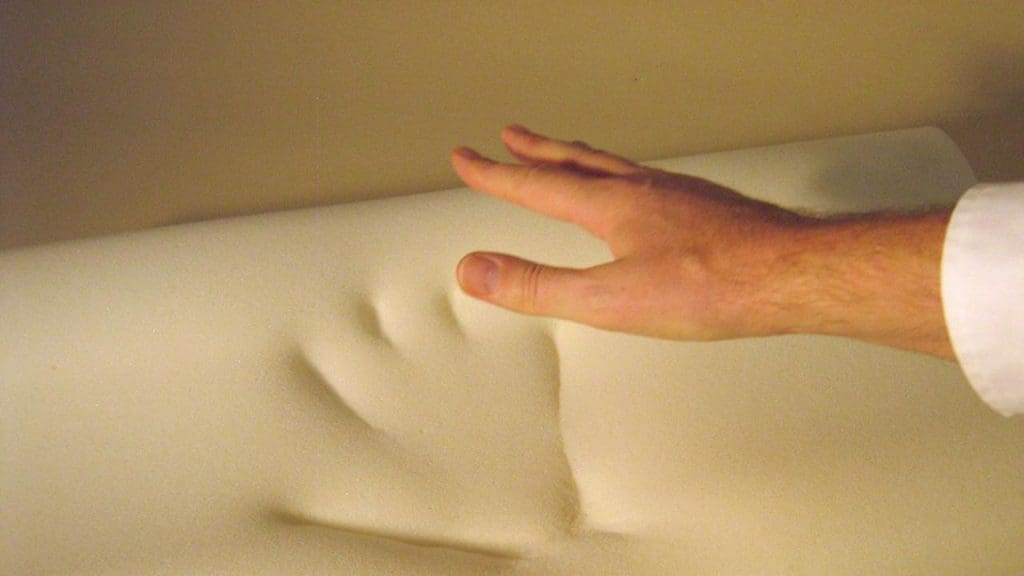
Initially developed in the 1970s by NASA’s Ames Research Center, memory foam was designed to improve the safety of aircraft cushions. This material, known for its ability to absorb pressure and then slowly return to its original shape, has since been widely adopted in mattresses, pillows, and even footwear. Its unique properties provide comfort and support, making it a staple in ergonomic solutions. You can learn more about NASA’s influence on memory foam.
Insulin Pump
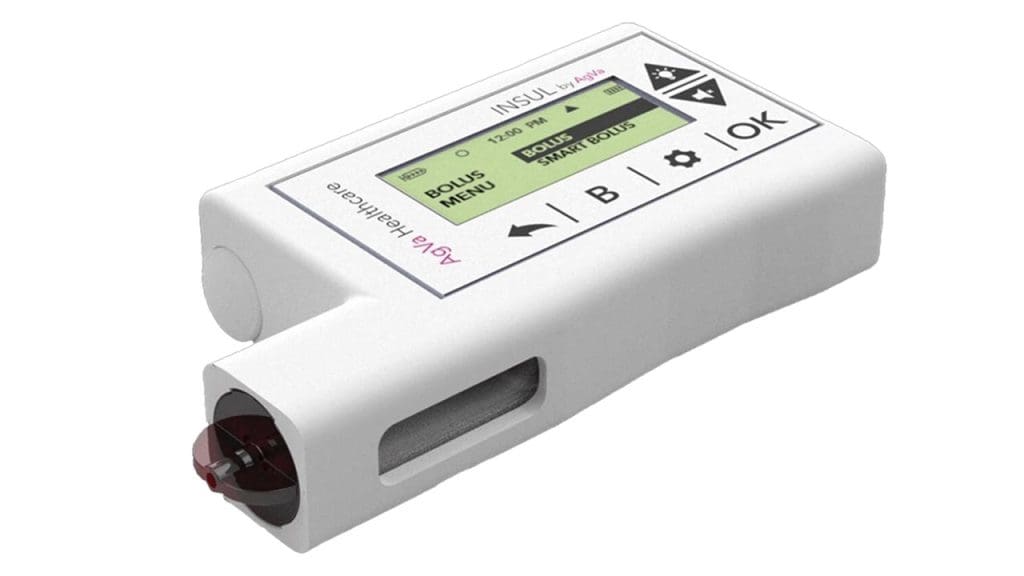
NASA’s technology has also contributed significantly to medical advancements. The development of the insulin pump was inspired by the need to monitor astronauts’ vital signs remotely. This device allows for continuous glucose monitoring and insulin delivery, improving the quality of life for individuals with diabetes. The impact of this technology extends beyond its space origins, offering a practical solution for managing a chronic condition. Explore more about NASA’s contribution to diabetes management.
Water Purification Systems

Ensuring a clean water supply in space led NASA to develop sophisticated water purification systems. These systems are now used globally to provide clean and safe drinking water, especially in disaster-stricken areas or regions lacking reliable water infrastructure. The technology has proven crucial in addressing water scarcity and improving public health. Discover how space technology is solving water challenges.
Scratch-Resistant Lenses
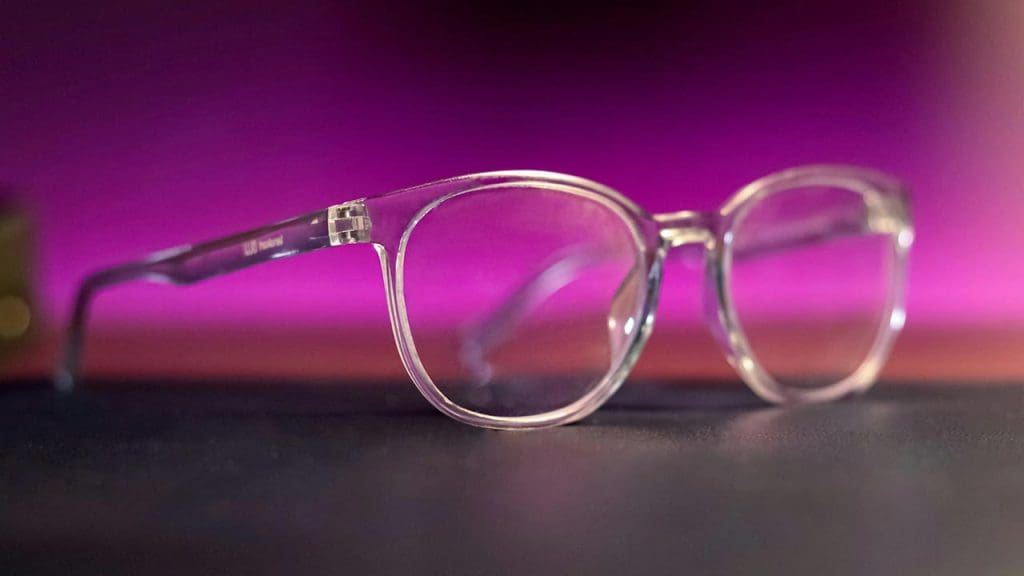
The harsh conditions of space required durable gear, leading NASA to create coatings for astronauts’ helmet visors. This innovation was later applied to eyeglasses, making lenses more resistant to scratches. This advancement not only enhances the longevity of eyewear but also improves vision clarity, a benefit now enjoyed by millions worldwide.
Cordless Tools
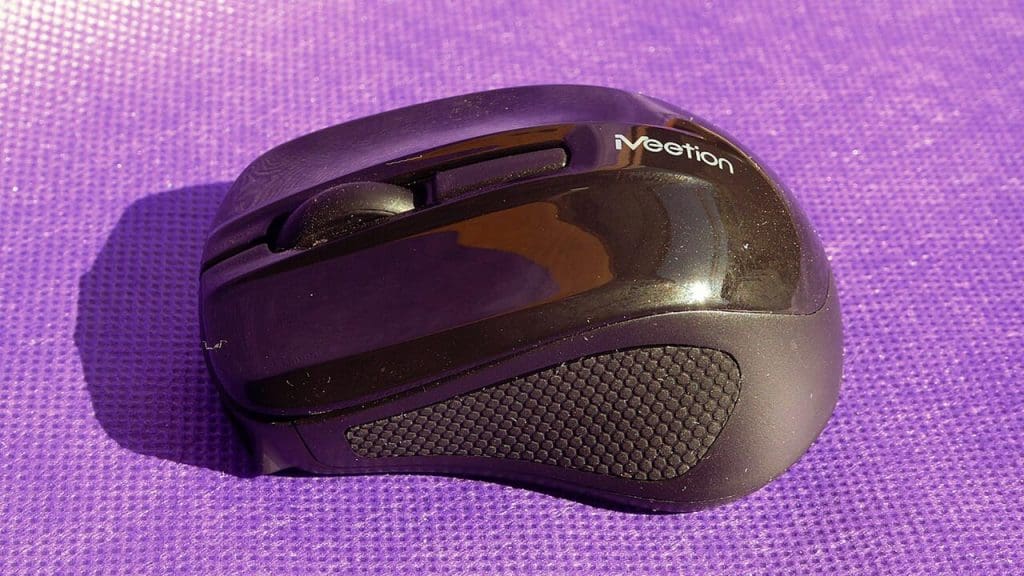
NASA collaborated with Black & Decker to create battery-powered tools for collecting lunar samples. This partnership resulted in the development of cordless technology, which has revolutionized the tool industry. Today, cordless tools are essential for convenience and efficiency in various tasks, from home repairs to professional construction.
Adjustable Smoke Detector
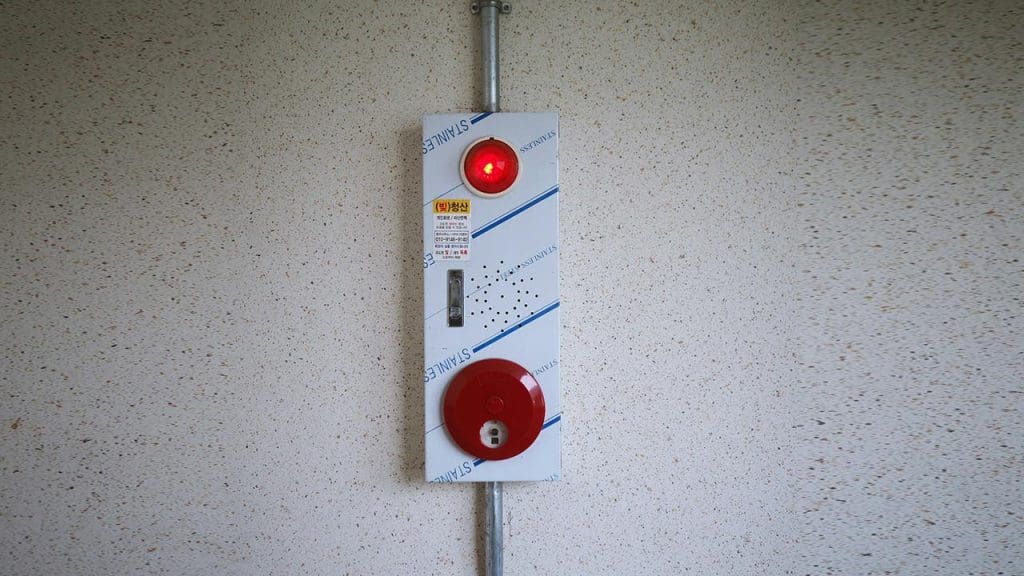
To protect astronauts from fires in space, NASA developed adjustable smoke detectors. These devices could differentiate between real fire and false alarms caused by smoke from experiments or other benign sources. This technology has been adapted for use on Earth, enhancing fire safety in homes and businesses by reducing unnecessary evacuations and panic.
Improved Radial Tires

Nasa’s research on lunar rover wheels led to advancements in radial tire technology. The need for durable and flexible tires for moon exploration translated into enhanced durability and performance for vehicles on Earth. This innovation offers improved traction, fuel efficiency, and safety for drivers, underscoring NASA’s broader impact on transportation.
Infrared Ear Thermometers

NASA’s work with infrared technology for measuring the temperature of distant stars found a practical application in healthcare. Infrared ear thermometers provide quick and accurate temperature readings, a crucial improvement over traditional methods. This technology has been a game-changer in medical diagnostics, offering a non-invasive way to monitor patients.
Freeze-Dried Food

Space missions necessitated the development of lightweight, long-lasting food options, resulting in freeze-drying technology. This method preserves nutrients and flavor while significantly reducing weight, making it ideal for both space travel and everyday use. Freeze-dried foods are now common in camping, military rations, and emergency kits.
LED Technology

NASA’s research into energy-efficient lighting for plant growth experiments in space led to advancements in LED technology. Today, LEDs are everywhere, from home lighting to electronic displays, offering superior energy efficiency and longevity compared to traditional lighting solutions. The development of LEDs showcases the far-reaching impact of space research.