With the automotive industry continually evolving, 2025 has become a significant year for legal challenges affecting major car manufacturers. From emissions scandals to intellectual property disputes, several companies are facing notable lawsuits. These legal battles not only impact the companies involved but also influence industry practices and consumer perceptions.
Tesla
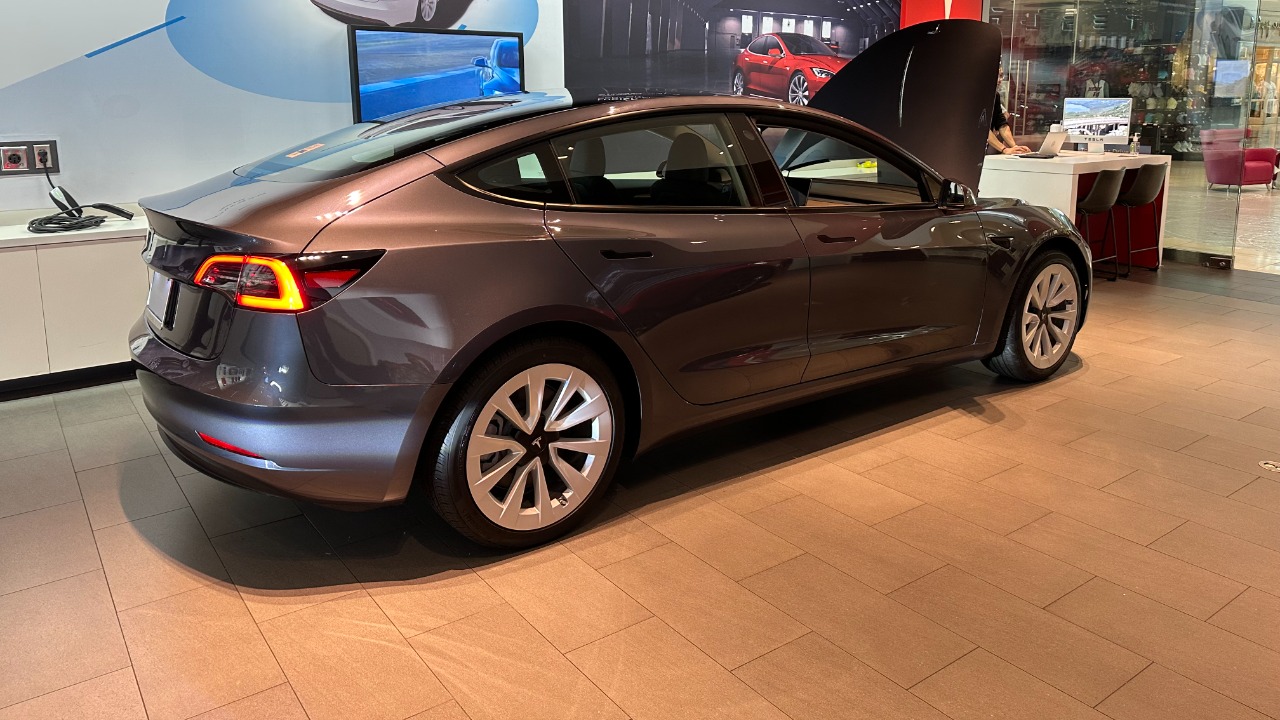
Tesla, a pioneer in electric vehicles, is no stranger to legal scrutiny. The company is currently battling lawsuits over its Autopilot and Full Self-Driving technologies. Critics argue that Tesla’s marketing of these features could mislead consumers regarding their capabilities, leading to potential safety issues. The ongoing legal challenges highlight the complex landscape of auto tech regulations and the responsibilities of manufacturers in ensuring consumer safety.
Additionally, Tesla faces lawsuits related to labor practices at its factories. Allegations of unsafe working conditions and unfair labor practices have prompted legal action from former employees. These cases underscore ongoing tensions within the automotive workforce as it adapts to new technologies and production methods.
Volkswagen

Volkswagen continues to deal with the aftermath of the infamous Dieselgate scandal, which initially broke in 2015. As of 2025, VW is still embroiled in lawsuits regarding emissions cheating, with new claims emerging about the impact of their vehicles on air quality and public health. The company’s attempts to rebuild its reputation are complicated by these persistent legal challenges.
Moreover, Volkswagen is involved in intellectual property disputes as it pushes into the electric vehicle market. The company’s efforts to innovate and compete in the EV space have led to legal clashes over patents and technology rights, reflecting the broader industry trend of automotive litigation in 2025.
Ford
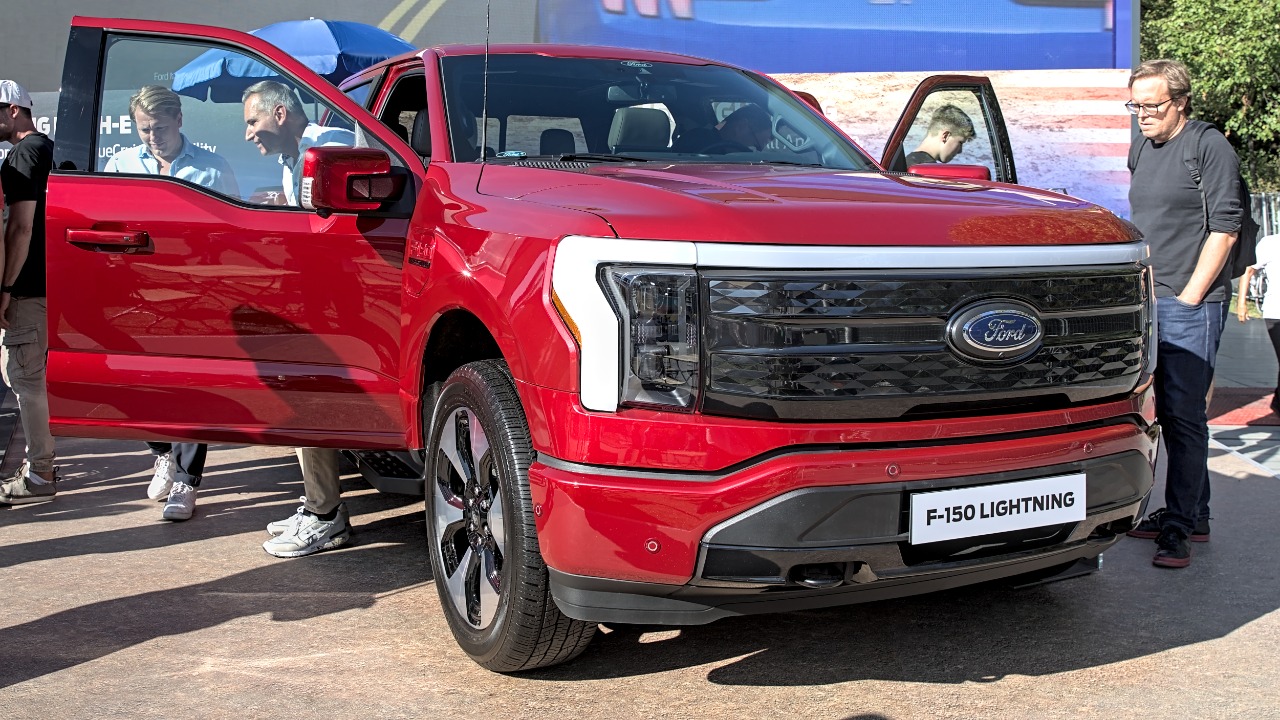
Ford faces significant lawsuits related to defects in some of its popular models, including the Ford Explorer and Ford F-150. Customers have reported issues with transmission problems and engine failures, prompting legal actions that demand accountability and compensation. These cases highlight the importance of quality control and customer satisfaction in maintaining brand loyalty.
Another legal front for Ford involves environmental regulations. As global pressure mounts to reduce emissions, Ford is challenged by lawsuits alleging non-compliance with environmental standards. The outcome of these legal battles could influence Ford’s commitment to sustainable practices and its approach to future vehicle development.
General Motors
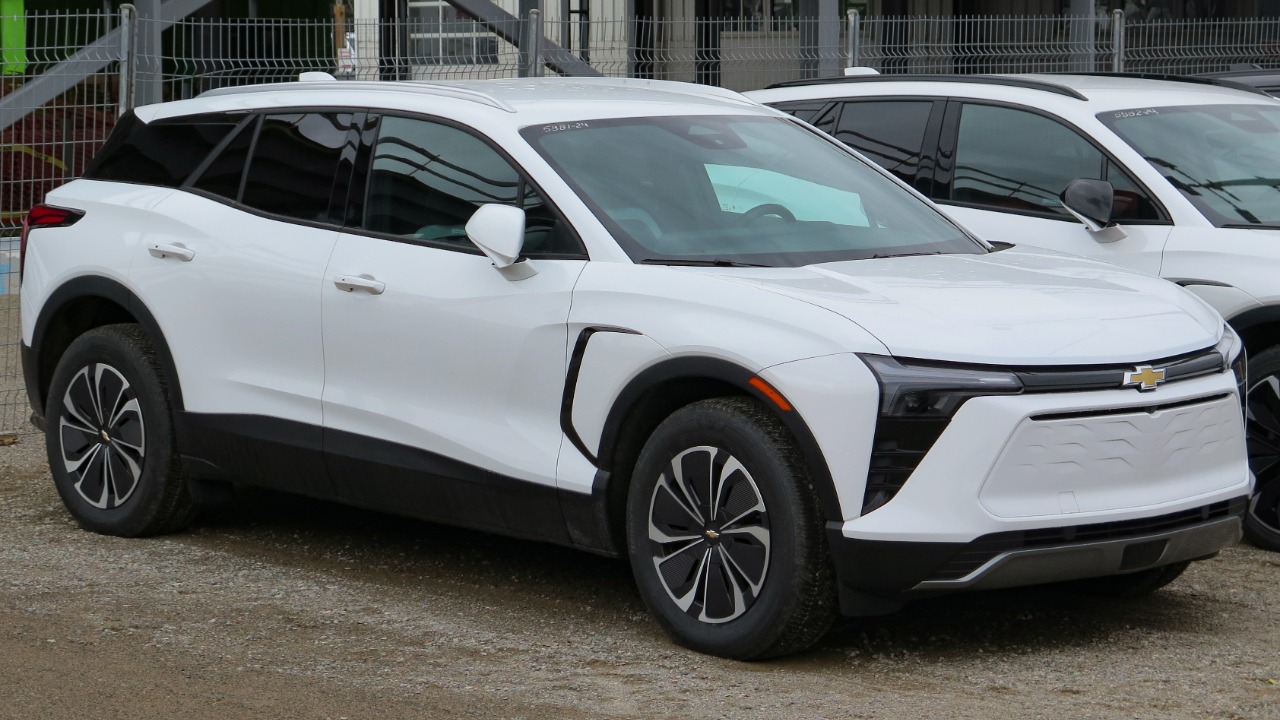
General Motors is grappling with lawsuits over faulty ignition switches, a long-standing issue that continues to haunt the company. Despite previous settlements, new claims have surfaced, keeping GM in the legal spotlight. The ignition switch defect has been linked to numerous accidents, raising questions about product safety and corporate responsibility.
In addition, GM faces legal challenges related to its electric vehicle production. As the company expands its EV lineup, disputes over battery technology and supply chain practices have emerged, reflecting the complexities of transitioning to sustainable automotive solutions.
Toyota
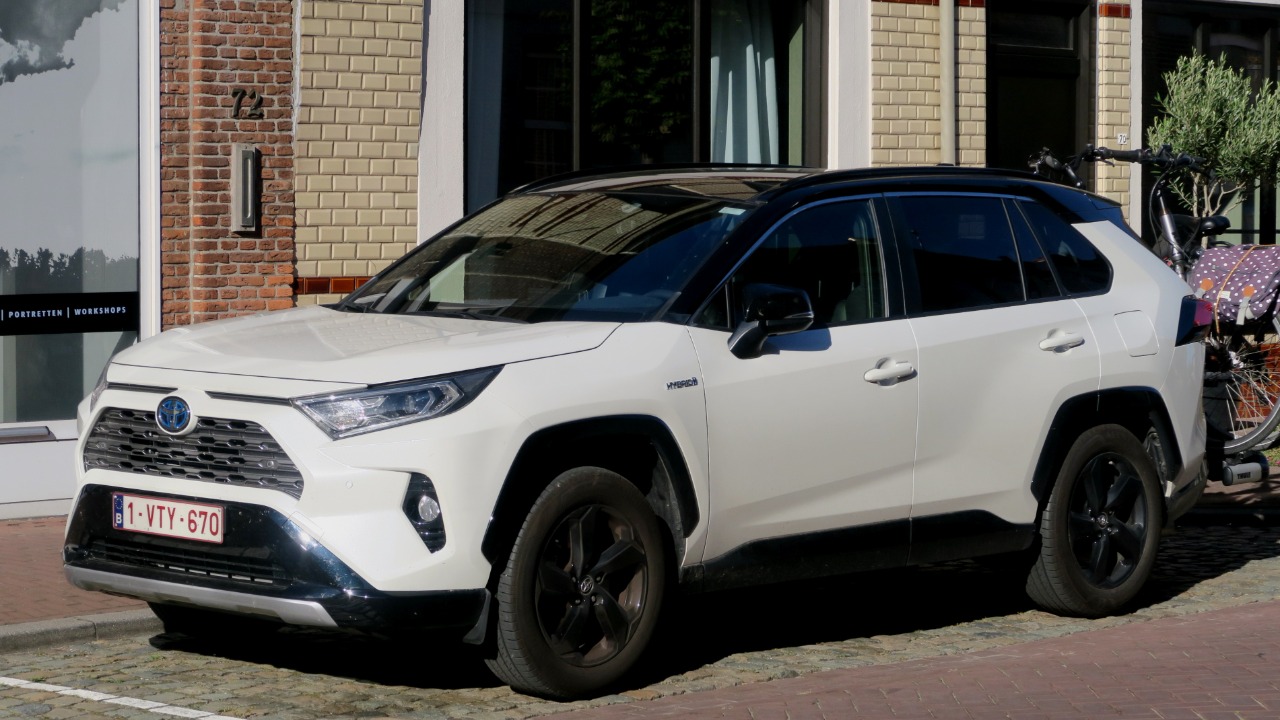
Toyota is involved in a series of lawsuits concerning unintended acceleration incidents. Despite previous recalls and settlements, new cases have been filed, alleging that certain Toyota models still pose safety risks to drivers. These legal battles underscore the ongoing challenges manufacturers face in maintaining vehicle safety and consumer trust.
Additionally, Toyota is navigating legal disputes over hybrid technology patents. As one of the leaders in hybrid vehicles, the company must protect its innovations while avoiding infringement on competitors’ intellectual property. These legal issues highlight the competitive and collaborative nature of the automotive industry.
Hyundai
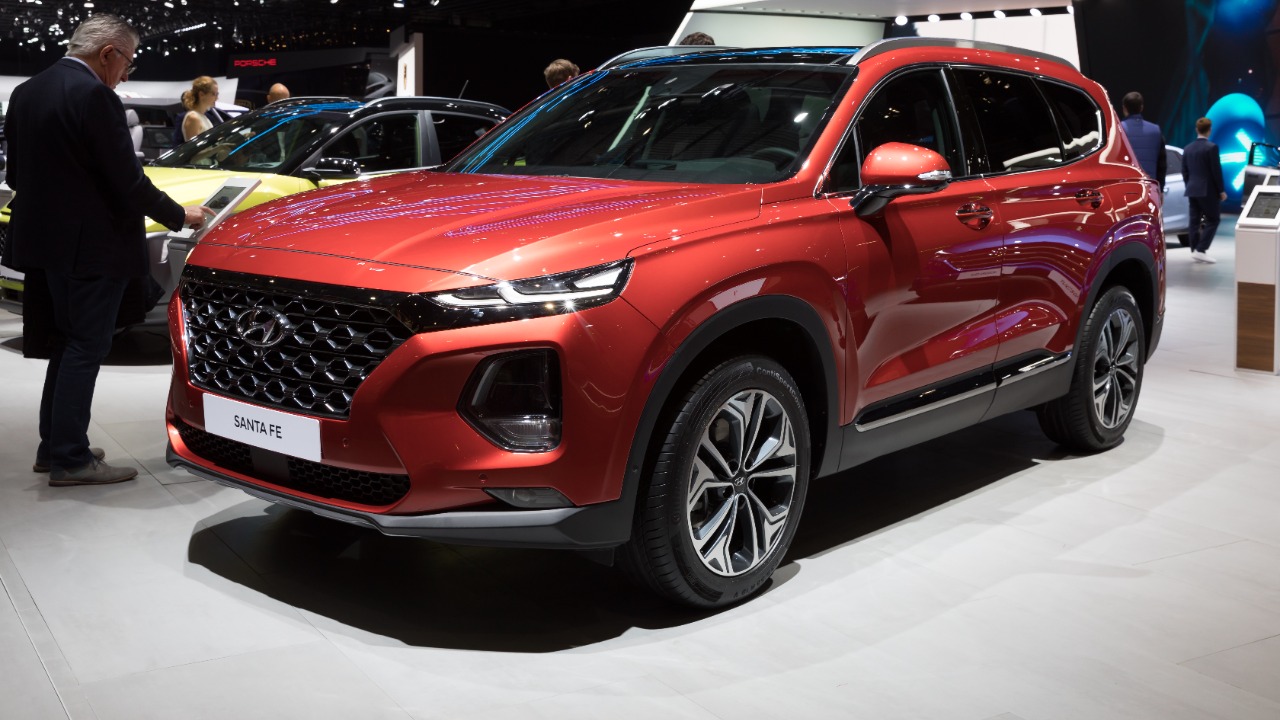
Hyundai is facing lawsuits related to engine defects in several models, including the Hyundai Sonata and Hyundai Santa Fe. Customers have reported engine fires and failures, prompting class-action lawsuits seeking compensation and corrective measures. These cases emphasize the critical role of reliability and safety in automotive manufacturing.
Furthermore, Hyundai is involved in legal challenges concerning emissions compliance. As emissions standards become more stringent worldwide, Hyundai must address allegations of non-compliance to avoid penalties and secure its reputation as a forward-thinking automaker committed to reducing environmental impact.
Nissan
Nissan is dealing with lawsuits arising from the fallout of its corporate governance scandal, which saw the arrest of former chairman Carlos Ghosn. These legal issues have led to shareholder lawsuits demanding greater transparency and accountability from the company’s leadership. The ongoing litigation reflects broader concerns about corporate governance in multinational corporations.
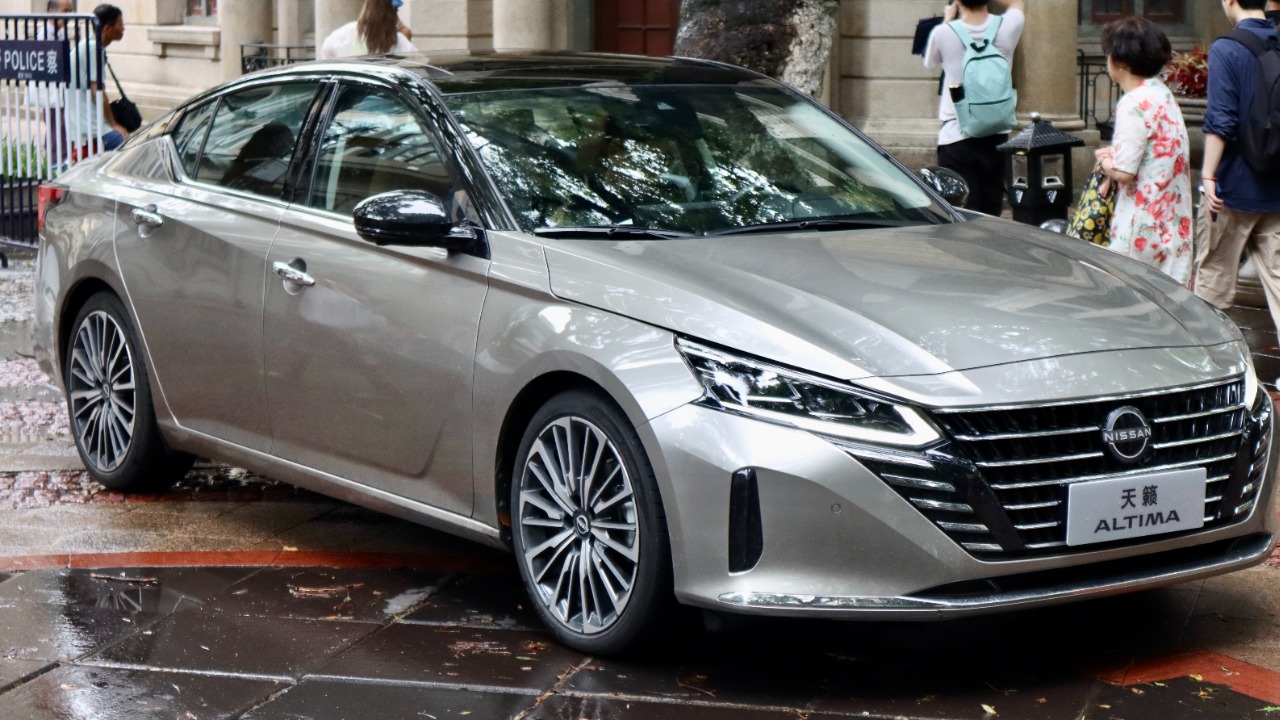
In addition, Nissan faces class-action lawsuits over defective transmissions in its popular models like the Nissan Altima. Customers report persistent transmission failures, leading to costly repairs and diminished vehicle performance. These legal challenges underscore the need for robust quality assurance processes in maintaining customer satisfaction and brand integrity.
