
Small, well-chosen gadgets can quietly remove friction from daily routines, whether that means automating chores, cutting noise on a commute, or keeping a phone alive through a long day. I focus here on five specific devices that repeatedly surface in smart home roundups and Reddit threads as upgrades you actually feel, not just toys that gather dust. Each one stays under roughly $200, yet together they can make daily life noticeably smoother, calmer, and more efficient.
Wireless Smart Plug (TP-Link Kasa Smart Plug)
The TP-Link Kasa Smart Plug is a classic example of a wireless smart plug that turns almost any lamp, fan, or coffee maker into a connected device you can control from your phone or with a voice assistant. Smart home writers who describe the gadgets they “can’t live without” consistently highlight simple, low-cost devices like smart plugs as the backbone of a modern setup, because they let you schedule appliances, cut standby power, and check whether you left something on from anywhere. In one detailed rundown of favorite connected gear, the author lists TP-Link smart plugs alongside a Ring Doorbell, Amazon Echo, Apple HomePod Mini, and Philips Hue as everyday essentials, noting that these compact outlets quietly handle tasks like turning on heaters before you wake up or switching off forgotten irons without any drama. That same perspective is echoed in broader smart home guides that stress how Some gadgets “just get you,” because They dim lights, start kettles, and cue playlists before you even think about it, and a wireless smart plug is often the cheapest way to join that ecosystem.
From a practical standpoint, a Kasa Smart Plug or similar model typically costs well under $30, which fits neatly into the under-$200 budget for meaningful upgrades while still delivering automation that feels luxurious. You can group several plugs in an app to create scenes, such as turning off all living room devices with one tap when you leave, or scheduling a slow cooker to shut down at a precise time so dinner does not overcook. Home automation explainers that focus on making daily life easier with minimal human intervention point out that these kinds of smart gadgets reduce the mental load of remembering repetitive tasks, which is why they are often recommended as a first purchase for people curious about connected homes. In my view, the stakes go beyond convenience: once you can remotely cut power to space heaters or curling irons, you gain a layer of safety and energy awareness that analog power strips simply cannot match, and that is a noticeable quality-of-life upgrade for renters and homeowners alike.
Affordable Noise-Cancelling Earbuds (EarFun Air Pro 4 and Soundcore Life P2 Mini)
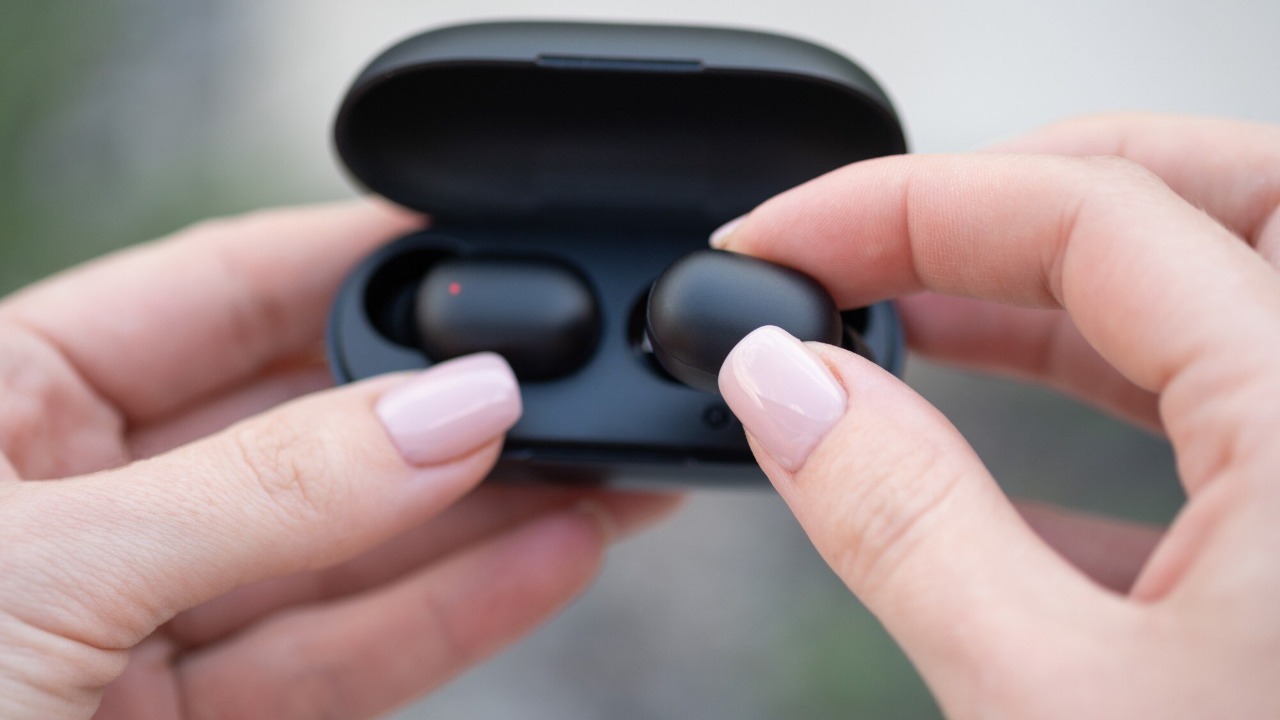
Affordable noise-cancelling earbuds have become one of the most impactful under-$200 gadgets for daily life, especially for commuters and open-plan office workers who need focus on a budget. Detailed testing of wireless earbuds identifies the EarFun Air Pro 4 as a standout budget pick for active noise cancellation, with reviewers singling out this Air Pro model as the best option when you want strong isolation without paying flagship prices. That kind of performance matters on trains, buses, and airplanes, where constant low-frequency rumble can be exhausting over a full day. At the same time, Reddit users and budget gadget roundups frequently highlight models from Soundcore as delivering surprising value, and a curated list of the best tech gadgets under $50 notes that Soundcore’s Life P2 Mini earbuds are “surprisingly comfortable” and earned a 7.5 out of 10 in testing thanks to their lightweight design and solid sound. Together, options like EarFun Air Pro 4 and the Life P2 Mini show how far sub-$200 (and even sub-$50) earbuds have come in offering real-world benefits that used to require premium over-ear headphones.
Looking at broader buying trends, bestseller lists for in-ear headphones show how brands such as Soundcore and other Anker Noise Cancelling Earbuds have leaned into features like Strong and Smart Noise Cancelling, compact charging cases with LED Power Display, and IPX7-rated waterproofing that lets you wear a Noise Canceling Headset in the rain or at the gym without worry. For daily life, that combination of noise control, comfort, and durability means a single pair of earbuds can handle podcasts on the subway, video calls at home, and music during workouts, all while staying within a modest budget. The stakes are significant for productivity and mental health: by carving out a bubble of quiet in noisy environments, these earbuds help people with concentration-heavy jobs, students studying in shared spaces, and anyone who finds constant background noise draining. In my assessment, that makes affordable ANC earbuds one of the clearest examples of a small gadget that delivers an outsized, tangible upgrade to everyday routines.
Smart LED Light Bulbs (Philips Hue and Similar Kits)
Smart LED light bulbs, such as starter kits from Philips Hue, transform lighting from a static utility into a flexible tool for comfort, security, and mood. Smart home enthusiasts who catalog their favorite connected gadgets often place Philips Hue near the top of the list, right alongside a Ring Doorbell, Amazon Echo, Apple HomePod Mini, and TP-Link smart plugs, because once lights respond to voice commands and schedules, it is hard to go back. Broader smart home device testing reinforces that view, noting that SMART home devices can be game-changers for everyday life, Whether you want hands-free help, mood-boosting lighting, or a vacuum that does the dirty work. In that context, Smart LED bulbs stand out because they combine color control, dimming, and automation in a single product that screws into a standard socket, making them one of the least intimidating entry points into home automation.
Guides to home gadgets that genuinely make chores easier point out that even “weird” Amazon finds, like cordless snow shovels or smart trash compactors, can solve real problems, and smart bulbs fit the same pattern by quietly removing small frictions from daily routines. With a few scenes set up in an app, you can have warm, low light in the evening to wind down, bright white light for focused work, and a vacation mode that randomly turns lights on and off to make a home look occupied. Automation-focused explainers that highlight four smart gadgets for easier daily life emphasize that these devices reduce the need for manual intervention, and lighting is one of the clearest examples: instead of walking around flipping switches, you can have lights follow sunrise and sunset or your usual schedule. In my view, the broader implication is that lighting shifts from being a background detail to an active tool for sleep hygiene, productivity, and security, all while staying within a reasonable budget for a starter kit.
Portable Phone Charger (High-Capacity Power Bank)
A high-capacity portable phone charger, often called a power bank, is one of the most frequently recommended budget gadgets on Reddit for a simple reason: it keeps your most important devices alive when you need them most. Curated lists of life-changing gadgets under $200 repeatedly highlight compact battery packs as everyday essentials, grouping them with other small tools that punch above their price in usefulness. In those roundups of life-changing gadgets under $200, portable chargers are praised for preventing the anxiety of watching your battery icon turn red during long commutes, travel days, or conferences, especially when you rely on your phone for transit tickets, two-factor authentication, and digital payments. That sentiment is echoed in broader discussions of smart gadgets that make daily life easier, where power banks are framed as part of a toolkit that reduces friction and uncertainty in routine tasks.
From a technical perspective, modern power banks often combine 10,000 mAh or higher capacities with fast-charging standards and multiple USB-C or USB-A ports, allowing you to top up a phone, wireless earbuds, and even a tablet from a single brick that fits in a jacket pocket. Some models add small touches like an LED battery indicator or pass-through charging so you can charge the bank and your phone at the same time, which further streamlines daily use. Smart home and gadget guides that focus on practicality over novelty argue that the best devices are those you stop noticing because they simply work in the background, and a reliable power bank fits that description perfectly. In my assessment, the stakes are particularly high for people who depend on their phones for work, navigation, or accessibility tools: a dead battery can mean missed meetings, getting lost in an unfamiliar city, or losing access to critical apps, so spending a modest amount on a solid portable charger is a straightforward, high-impact upgrade.
Robotic Vacuum Cleaner (Entry-Level Robot Vac)
A robotic vacuum cleaner, even an entry-level model, can fundamentally change how clean your floors stay with almost no extra effort, which is why it consistently appears in lists of smart gadgets that actually make life easier. Smart home explainers that focus on automation describe how Some gadgets “just get you,” because They know when to dim the lights, start the kettle, and cue up your favorite playlist before your brain even boots up, and robot vacuums are often mentioned in the same breath as devices that quietly handle repetitive chores. Detailed guides to smart gadgets for the home emphasize that these machines are designed to make daily life easier with minimal human intervention, rolling around to pick up dust and debris on a schedule so you do not have to drag out a traditional vacuum as often. In more comprehensive rundowns of smart home gadgets that genuinely reduce workload, robot vacuums are grouped with other problem-solving devices like smart trash compactors and cordless snow shovels, reinforcing the idea that automation is most valuable when it targets boring, time-consuming tasks.
In practice, even budget robot vacuums under $200 can map simple room layouts, return to a charging dock automatically, and run on timers so they clean while you are at work or asleep. That means pet hair, crumbs, and everyday dust are handled in the background, leaving you to focus on occasional deep cleans rather than constant maintenance. Smart home device testers who evaluate a wide range of products note that a vacuum that “does the dirty work” can be as transformative as more glamorous gadgets, because it directly trades money for reclaimed time and reduced physical effort. For busy households, people with mobility challenges, or anyone who simply dislikes vacuuming, the stakes are clear: a robot vacuum can turn a chore that used to demand weekly attention into something you barely think about, yet still enjoy cleaner floors and a more orderly home environment.
More from Morning Overview