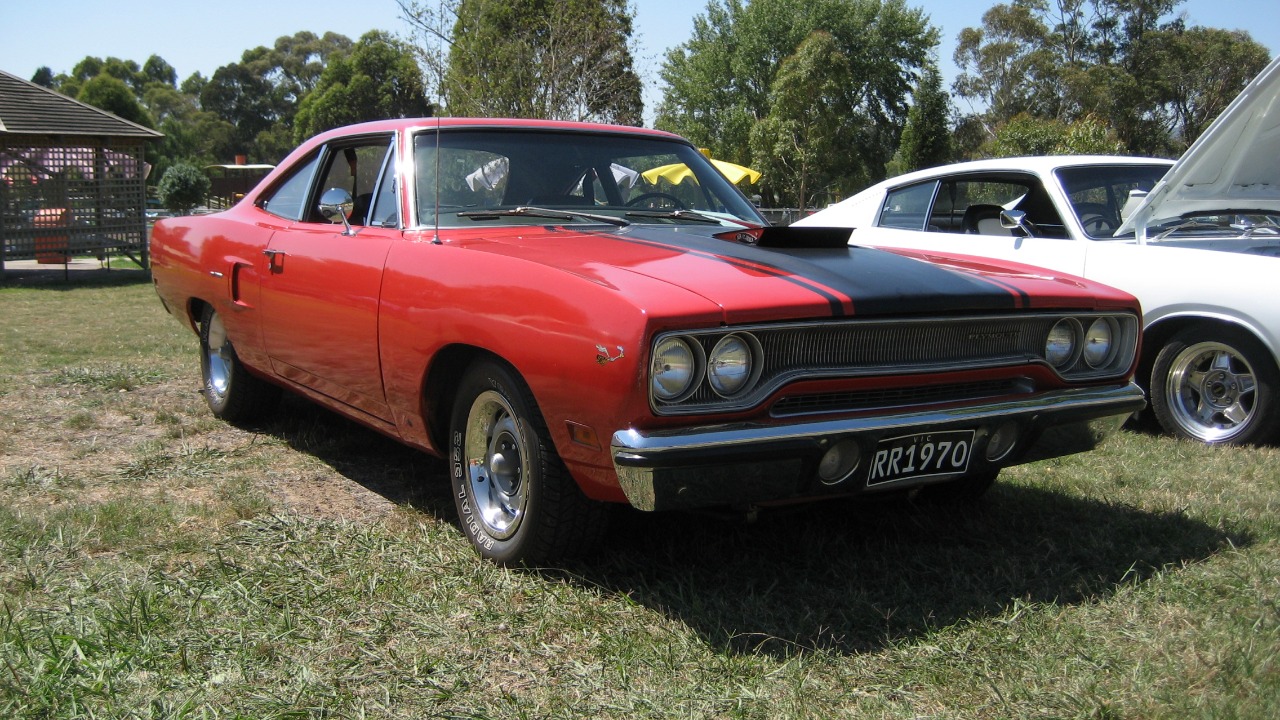

A 1970 Plymouth Road Runner sitting half buried in junkyard snow is more than a striking image, it is a snapshot of how quickly automotive history can slide from showroom glory to forgotten scrap. The sight of that frozen shell, still recognizable as one of Detroit’s most charismatic muscle cars, captures the tension between decay and rescue that defines the modern classic‑car hunt.
When I look at this Plymouth Road Runner, abandoned yet instantly iconic, I see a car that still has a story to tell even as rust and ice try to erase it. The snowdrift around its flanks only sharpens the question that hangs over every such discovery: is this the end of the road, or the start of a second life?
The junkyard discovery that lit up enthusiasts
The image of a 1970 Plymouth Road Runner buried in snow at a junkyard spread quickly because it hits a nerve with anyone who cares about classic American performance. Here is a model that once symbolized accessible speed and attitude, reduced to a frozen hulk with only its lines and badging hinting at past glory. The contrast between the car’s reputation and its current condition is exactly what makes the discovery so compelling, a reminder that even icons can be left to sink into the mud behind a fence.
What grabbed me most is how ordinary the setting appears, just another row of discarded metal, until the distinctive shape of the Plymouth Road Runner emerges from the snowbank. That tension between anonymity and instant recognition is why the find resonated when it surfaced in coverage of a manual‑transmission 1970 Plymouth Road Runner found in a junkyard, and again when the scene was shared as a 1970 Plymouth Road Runner buried in the snow and found in a junkyard. The car is both lost and instantly famous, a contradiction that fuels the fascination.
Why the 1970 Plymouth Road Runner still matters
Even half submerged in snow, the 1970 Plymouth Road Runner carries a weight of meaning that goes far beyond its sheet metal. This was the year when the model’s blend of cartoon‑inspired branding, big‑block power, and stripped‑down pricing crystallized into a formula that enthusiasts still revere. The car was conceived as a no‑nonsense performance machine, and that identity clings to it even when the paint is faded and the panels are dented.
When I think about this particular Plymouth Road Runner, I see more than a derelict coupe. I see a snapshot of an era when Detroit could build a car that was both playful and brutally effective, a machine that wore a cartoon bird yet backed it up with serious hardware. That is why a single junkyard example, even in rough shape, can spark so much conversation among people who know what a 1970 Road Runner represented in the muscle‑car hierarchy.
Reading the clues in the snowbound shell
Standing in front of a snow‑covered 1970 Plymouth Road Runner, the first task is to read the clues that survive the years of neglect. The body lines, the stance, and the remaining trim pieces all hint at how the car left the factory and what it might still be. Even with snow piled around the rockers and over the hood, the proportions that defined the Road Runner are unmistakable, from the long nose to the short rear deck that framed its muscular posture.
What I find most revealing in such a scene is how much of the car’s story is still visible if you know where to look. The presence of a manual shifter poking through a torn interior, for example, can confirm that this Plymouth Road Runner was equipped with a coveted A833 4‑speed manual transmission, a detail highlighted in coverage of a Plymouth Road Runner buried in the snow and found in a junkyard. Even when the drivetrain is long gone, those remnants tell you whether you are looking at a once‑basic commuter or a car that left the factory with serious intent.
The emotional pull of a forgotten muscle car
There is a particular kind of sadness that comes with seeing a once‑proud muscle car like a 1970 Plymouth Road Runner left to rust under a blanket of snow. For many enthusiasts, this model is tied to family stories, posters on bedroom walls, or the first time they heard a big‑block idle at a stoplight. To encounter it now with broken glass, sagging suspension, and corrosion creeping across the panels is to confront the reality that not every piece of automotive history gets a climate‑controlled garage.
At the same time, I find that the emotional pull is not purely nostalgic. There is also a sense of possibility in that junkyard row, a feeling that the car’s fate is not yet sealed. The Plymouth Road Runner’s basic, rugged construction invites the idea that with enough effort, the snow can be brushed away, the shell can be lifted out, and the car can be given another chance. That mix of loss and hope is what keeps people scanning junkyards and classifieds for exactly this kind of buried treasure.
From snowdrift to restomod candidate
When I look at a 1970 Plymouth Road Runner in this condition, I immediately start mentally cataloging what it would take to turn it into a viable restomod project. The appeal lies in the car’s bones: a straightforward body‑on‑frame layout, generous engine bay, and a design that can accommodate modern brakes, suspension, and electronics without losing its character. Even a shell that has spent years under snow can serve as the foundation for a build that blends vintage style with contemporary reliability.
The reporting that first highlighted a manual‑transmission Plymouth Road Runner in a junkyard framed it as exactly the kind of car someone would want to drag to a restomod garage, and I share that instinct. A 1970 Road Runner with an A833 4‑speed manual transmission is a prime candidate for a sympathetic upgrade, where the original driving experience is preserved but the weak points of period engineering are addressed. In that sense, the snow is not just a symbol of decay, it is a temporary obstacle between the car’s current state and a potential new chapter on the road.
The practical hurdles of rescuing a buried classic
Romantic as the idea of a rescue might be, the practical hurdles of extracting a 1970 Plymouth Road Runner from a junkyard snowbank are significant. Years of exposure to moisture can rot floorpans, frame rails, and suspension mounting points, turning what looks like surface rust into structural compromise. Before any money changes hands, I would want to see the car lifted, the underbody inspected, and the extent of corrosion mapped out in detail, because the difference between a savable shell and a parts donor often lies where the snow and dirt have hidden the damage.
There are also legal and logistical challenges that come with reviving a car that has been sitting in a yard for decades. Title status, lien history, and missing identification tags can complicate registration, especially for a model as desirable as a 1970 Plymouth Road Runner, where authenticity affects value. Even if the junkyard is willing to sell, the buyer has to factor in transport costs, storage, and the long timeline of a full restoration or restomod. The snow may melt in a season, but the commitment required to bring a car like this back is measured in years.
What this Road Runner says about the muscle‑car ecosystem
Seeing a 1970 Plymouth Road Runner abandoned in a junkyard is a reminder that the muscle‑car ecosystem is broader than the polished examples that dominate auctions and social media. For every concours‑level restoration, there are dozens of cars like this one, sitting quietly behind fences, slowly returning to the earth. They are the parts donors, the future projects, and sometimes the cautionary tales that shape how the community thinks about preservation and value.
From my perspective, the existence of this snowbound Plymouth Road Runner underscores how much of the hobby depends on timing and attention. If someone had recognized its potential ten or fifteen years earlier, the car might already be on the road in restored form. Instead, it has become a test case for how far enthusiasts are willing to go to save a car that is both historically significant and physically compromised. The choices made about this one Road Runner echo through the broader conversation about which cars get saved, which get parted out, and how the legacy of the muscle‑car era is curated in the real world.
Why finds like this keep the hunt alive
Ultimately, the story of a 1970 Plymouth Road Runner found buried in junkyard snow is less about a single car and more about the mindset that keeps enthusiasts searching. The possibility that a rare or meaningful model might be hiding in plain sight, waiting behind a row of minivans or under a drift of ice, is what fuels countless weekend trips to salvage yards and back roads. Each discovery, even if the car is too far gone to save, reinforces the idea that the next one might be the project that changes everything.
For me, that is the enduring power of this particular Plymouth Road Runner. It proves that even in an age of online listings and digital archives, there are still physical surprises out there, still moments when a walk through the snow can reveal a piece of automotive history that has not yet been cataloged or commodified. Whether this car ends up restored, restomodded, or quietly dismantled for parts, its brief time in the spotlight has already done something important: it has reminded people to keep looking, to keep asking what might be hiding under the next layer of snow.
More from MorningOverview