
Car prices have sprinted away from American paychecks, and the idea of a new vehicle for around $15,000 sounds almost nostalgic. President Donald Trump is betting that “tiny cars” inspired by Japan’s kei vehicles could bring that bargain era back, pairing deregulation with a push to build small, simple machines on U.S. soil. Whether that vision delivers cheap mobility or just cheaper safety and higher fuel bills will depend on how far Washington is willing to bend the rules, and how much risk drivers are prepared to accept.
Trump’s pitch is straightforward: loosen standards, copy Japan’s cute city cars, and let automakers flood the market with ultra-basic transportation. I see a more complicated story, where safety rules, fuel economy policy, and global manufacturing strategies collide with the political promise of a $10,000 or $15,000 car. The stakes are high for families priced out of today’s market, but so are the tradeoffs.
Trump’s “tiny car” push, in his own words
Trump has framed his tiny car push as a personal discovery, describing how he became enamored with pint-sized vehicles during a visit to Japan and then started talking about bringing them home. According to one account, the president highlighted how small Japanese models zip through narrow streets and pack into tight parking spots, contrasting that with the bulk and cost of typical American SUVs and pickups. He has used his Japan and Truth Social megaphone to argue that Americans should be allowed to buy the same kind of ultra-compact machines he saw abroad.
In public comments, Trump has gone further, saying he “approved” the making of Japanese “tiny cars” to be sold in the United States and presenting that decision as part of a broader effort to reshape auto rules. Reporting on those remarks notes that the administration’s plans are designed to make it easier for major U.S. manufacturers to keep selling gas-powered vehicles while discouraging the production of electric vehicles, a clear signal that the tiny car push is tied to a larger rollback of green mandates. One summary of the policy debate explains that the administration’s approach would tilt the playing field away from EVs and toward cheaper combustion models, including kei-style trucks, by easing regulatory pressure on gasoline fleets and encouraging building Kei trucks in the United States.
What kei cars actually are, and why Trump likes them
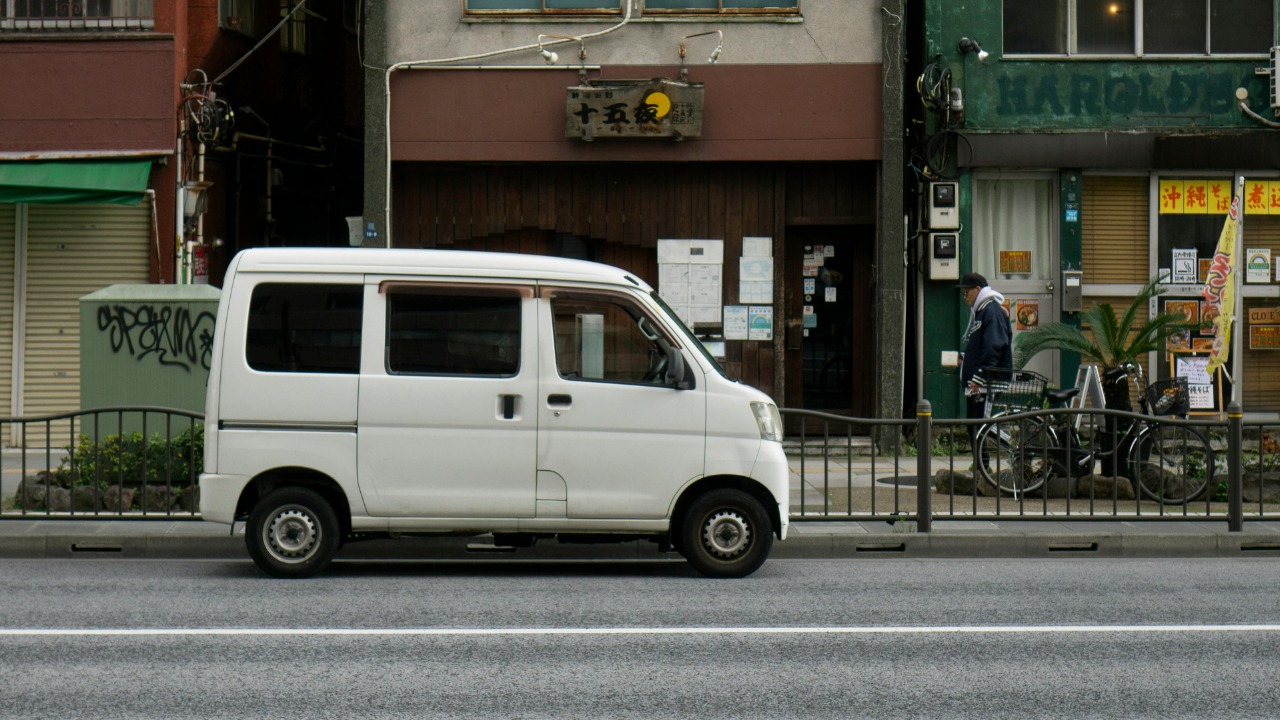
The vehicles Trump is talking about are not just small hatchbacks, they are a specific Japanese category known as kei cars. Called “kei” cars in Japan, they are tiny, lightweight, low-powered and low-noise, designed to slip through dense urban traffic and qualify for tax breaks and parking perks. These machines are as ubiquitous in Japanese cities as crossovers are in American suburbs, with boxy silhouettes, narrow tracks and modest engines that keep costs and emissions down. Enthusiasts describe them as practical and charming, a mix that helps explain why a visiting president might find them irresistible.
Trump has reportedly praised these models as “cute” and “AMAZING!!!” in social media posts, leaning into their visual appeal as much as their price. Experts who study Japan’s auto market point out that kei cars succeed because the entire ecosystem, from road design to insurance rules, is built around their limitations, something that does not yet exist in the United States. Still, the president’s fascination with these Called kei cars has become a political talking point, a symbol of his promise to deliver cheaper, simpler transportation options to American drivers.
The $10,000 dream and the $15,000 reality check
At the heart of the tiny car pitch is a number that sounds almost too good to be true: a new vehicle for around $10,000. Trump and his allies have floated that figure as a target, suggesting that by stripping out features and relaxing regulations, automakers could sell bare-bones transportation at a price point that has largely vanished from U.S. showrooms. One analysis of the proposal notes that the president has talked up the idea of a $10,000 car while acknowledging that the small “kei” segment he admires is tightly regulated and deeply embedded in Japan’s unique market structure, which makes a simple copy-and-paste into America unlikely. That same reporting cautions that even if Trump Backs the concept of Tiny Cars, But Don’t Expect Them Anytime Soon, the regulatory and industrial hurdles mean the $10,000 dream will not materialize overnight.
In practice, the administration’s own messaging has often centered on a slightly higher but still aggressive target, talking about cheaper, utilitarian work vehicles for under $15,000. Social media posts promoting the president’s plan describe a future where contractors, delivery drivers and rural workers can buy simple trucks and vans at that price, trading luxury features and some safety tech for affordability. The gap between the rhetorical $10,000 benchmark and the more plausible sub-$15,000 goal reflects the reality of modern manufacturing costs, even with deregulation. It also underscores why I see the “$15k car” as the more realistic shorthand for what Trump’s policy might actually deliver, if it delivers at all.
Inside the “Freedom Means Affordable Cars” deregulation plan
The policy vehicle for Trump’s tiny car ambitions is a broader initiative branded as Freedom Means Affordable Cars. In a joint appearance, President Trump and Transportation Secretary Sean P. Duffy unveiled a proposal that they say will cut red tape and lower costs across the auto market. According to the administration’s own projections, the Freedom Means Affordable Cars proposal is expected to save the American people $109 billion over the next five years by easing compliance burdens and slowing the march of new mandates. That headline figure, presented as a win for household budgets, is central to the argument that deregulation can put cheaper vehicles back within reach of middle class buyers under the second Trump Administration, and it is spelled out in official Freedom Means Affordable Cars materials.
Supporters of the plan say it will allow automakers to offer a wider range of vehicles, including tiny cars and kei-style trucks, by relaxing safety and emissions rules that currently make such models uneconomical to certify for U.S. roads. Critics counter that the projected $109 billion in savings is heavily dependent on assumptions about how companies and consumers respond, and that much of the “savings” comes from avoiding investments in cleaner technology rather than from genuine efficiency gains. From my perspective, the key question is not whether deregulation can shave costs, but whether those savings will be passed on in the form of truly affordable cars or absorbed into corporate margins and higher trim levels.
How far Trump is willing to bend safety and emissions rules
To get tiny cars under $15,000, the administration is signaling that it is prepared to go further than past deregulatory pushes on both safety and emissions. A viral clip promoting the president’s agenda describes President Trump’s Freedom Means Affordable Cars plan as an effort to deregulate safety and emissions rules to allow for the production of cheaper, utilitarian work vehicles for under $15000. The message is blunt: if Americans want bargain-basement prices, they must accept vehicles that do not meet the same standards as today’s mainstream models. That framing, shared widely on social platforms, has helped cement the idea that the tiny car project is inseparable from a broader rollback of protections that have steadily improved crash outcomes and air quality over decades, and it is captured in the description of President Trump Freedom Means Affordable Cars.
On the fuel economy front, the administration has already laid out plans to trade stricter efficiency rules for lower sticker prices, arguing that consumers care more about monthly payments than miles per gallon. Policy documents and expert analysis note that the Trump administration says its rollback of fuel economy standards will reduce vehicle prices, but that prices will not drop for years and drivers will spend more on gas in the meantime. Analysts warn that the net effect could be higher total ownership costs, especially for low-income households that are most sensitive to fuel prices. In other words, the same families being promised cheaper tiny cars might end up paying more at the pump, a tradeoff highlighted in assessments of how The Trump team’s fuel economy strategy might not work as advertised, even if it succeeds in weakening But The Trump standards.
Safety tradeoffs: what happens when tiny meets traffic
Even if regulators clear a path for kei-style vehicles, physics will not. The smallest vehicle currently street legal in the United States is already a niche product, and safety experts caution that tiny imports would face serious challenges in collisions with larger SUVs and pickups. Reporting on the president’s plan notes that tiny cars imported to the United States today are typically restricted or modified because they do not meet federal crash standards, and that regulators have long been wary of allowing such vehicles to mix freely with heavier traffic. The administration’s new stance would require either rewriting those standards or carving out special categories for microcars, both of which raise questions about liability and insurance for drivers who choose to accept higher risk in exchange for a lower purchase price, as detailed in coverage of how Tiny cars imported must navigate safety standards for potential crashes.
Trump’s own rhetoric has leaned heavily on the charm of “Cute” Japanese Mini cars, but the policy reality is that cuteness does not absorb impact energy. A video segment on the administration’s announcement, titled Trump Approves “Cute” Japanese Mini Cars For US Roads, underscores that Ford and other major players are watching closely, since any shift in safety rules could open new product niches or expose them to reputational risk if early tiny models perform poorly in real-world crashes. I see a tension here between the political appeal of letting consumers choose cheaper, riskier vehicles and the long-standing bipartisan consensus that federal safety standards should protect people even when they buy the least expensive option. Once regulators start carving out exceptions for tiny cars, it becomes harder to argue that every American deserves the same baseline level of protection, a concern that hovers over the administration’s Trump Approves Cute Japanese Mini Cars For US Roads Ford moment.
Stellantis, The Topolino and the first wave of tiny imports
While Washington debates rules, global automakers are already testing the waters. Stellantis, the parent company behind brands like Fiat and Chrysler, has moved to bring its own tiny electric model to the United States after Trump publicly praised the segment. The Topolino is available throughout Europe and costs around 9,900 euros ($11,500) in its home market of Italy, positioning it as an ultra-affordable city car for short trips and urban deliveries. Its compact footprint and modest performance make it a natural candidate for any new U.S. category that allows kei-style vehicles, and its European price tag offers a concrete benchmark for what a stripped-down microcar can cost when built at scale, as described in reports on how The Topolino Europe and Italy Its pricing works.
Stellantis’s move is significant because it shows that at least one major manufacturer believes there is a viable business case for tiny cars in the United States if regulations shift. By positioning The Topolino as a low-cost, low-speed option, the company is effectively betting that some American drivers will accept limited range and performance in exchange for a price closer to $11,500 than to the $30,000-plus average for new vehicles today. If that bet pays off, it could validate Trump’s argument that deregulation can unlock a wave of bargain rides, even if the final prices land closer to $15,000 than to the headline $10,000 target. If it fails, it will reinforce skeptics’ warnings that the U.S. market is simply too sprawling and highway-centric for microcars to thrive outside a few dense urban pockets.
Gas, EVs and the long-term cost of “cheap” cars
Beyond sticker prices, the tiny car debate is inseparable from the administration’s broader effort to slow the transition to electric vehicles. Official summaries of the president’s plans emphasize that easing rules on gas-powered fleets will make it easier for major U.S. manufacturers to keep selling combustion models and will disincentivize the production of electric vehicles. That approach aligns with Trump’s political messaging about protecting traditional auto jobs and giving consumers more choice, but it also means that any new wave of tiny cars is likely to be dominated by gasoline engines rather than batteries, at least in the near term. For drivers, that translates into lower upfront costs but higher exposure to fuel price volatility, especially if global oil markets tighten.
Analysts who have examined the administration’s fuel economy rollback warn that the promised price cuts will take years to filter through the market, while the impact on fuel consumption will be felt much sooner. One detailed assessment notes that while the Trump team argues that weaker standards will reduce vehicle prices, the reality is that prices will not drop for years and consumers will spend more on gas in the meantime, eroding much of the benefit for budget-conscious buyers. In my view, that dynamic is particularly important for the tiny car conversation, because the very households most attracted to a $15,000 vehicle are also the ones least able to absorb higher monthly fuel bills. A policy that delivers cheaper cars but locks those families into inefficient engines risks looking less like a bargain and more like a long-term cost trap.
Could $15k cars really come back?
Put all of this together and the path to a true $15,000 new car in America looks narrow but not impossible. On the optimistic side, Trump’s willingness to relax safety and emissions rules, combined with the Freedom Means Affordable Cars agenda and interest from companies like Stellantis, could create a regulatory and commercial niche where kei-style vehicles and micro EVs can be sold at prices that undercut today’s cheapest compacts. The Topolino’s 9,900 euros ($11,500) price in Italy shows that, in the right conditions, manufacturers can build ultra-basic vehicles at that cost, and the administration’s projected $109 billion in regulatory savings suggests there is room to trim overhead if those savings are genuinely passed on to buyers.
On the skeptical side, the United States is not Japan. Our roads are wider, our commutes longer, and our appetite for large vehicles deeply ingrained. Safety concerns about mixing tiny cars with full-size pickups, combined with the reality that fuel economy rollbacks will raise long-term operating costs, mean that any $15,000 models that do reach showrooms will come with significant tradeoffs. I see Trump’s tiny car push as a high-stakes experiment in how much risk and how many compromises Americans are willing to accept in exchange for a lower monthly payment. If the experiment succeeds, it could reshape the bottom end of the market and give priced-out drivers a new way in. If it fails, it will stand as a reminder that in a country built around big roads and big vehicles, some bargains are harder to engineer than a campaign slogan makes them sound.
More from MorningOverview