
The debate over 12V versus 24V Cummins is not just nostalgia versus modernity, it is a clash between two very different ways of making power. Both versions of the 5.9 are capable of serious work, big mileage and impressive horsepower, but they shine in different use cases and ownership styles. To figure out which one is actually better, I have to weigh reliability, tuning potential, drivability and long term costs rather than chase a single spec sheet winner.
At heart, the 12-valve 5.9 is a mechanical workhorse, while the 24-valve brings more airflow, cleaner emissions and better factory power. Owners who want simple, fix-it-with-hand-tools durability tend to gravitate to the older design, while drivers who tow heavy, want smoother power and do not mind electronics often prefer the newer head and fueling. The right answer depends less on internet folklore and more on how, and how hard, the truck will be used.
How the 12V and 24V Cummins actually differ
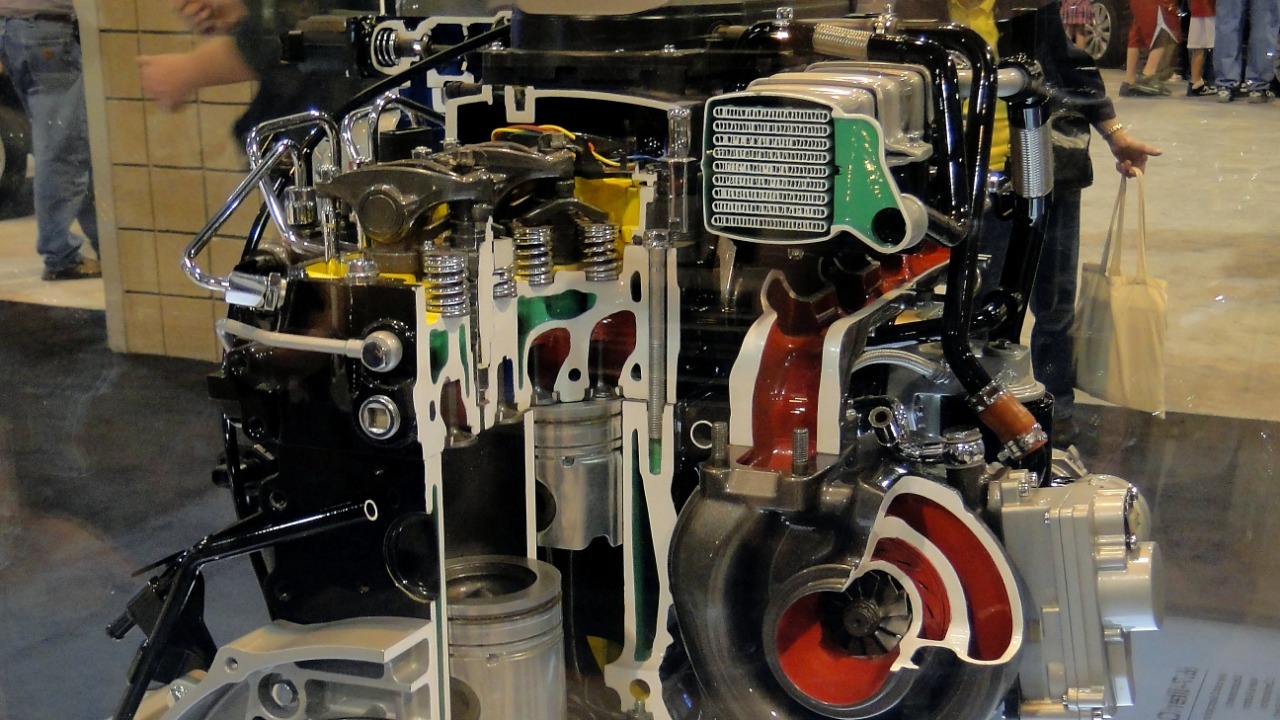
When I compare the two engines, the biggest dividing line is how they handle fuel and air. The 12-valve 5.9 uses a fully mechanical injection pump and a head with two valves per cylinder, which keeps the system simple and robust but limits how precisely fuel can be metered from the factory. The 24-valve version keeps the same basic 5.9 block but adds four valves per cylinder and electronically controlled injection, which improves breathing and allows more refined timing and fueling control straight out of the box.
That extra valve area in the later head gives the 24-valve better airflow and cleaner combustion, which is why it was able to meet tighter emissions rules while still delivering more power. One detailed comparison notes that the updated cylinder head “breathed” better and contributed to lower tailpipe emissions, a key reason the 24-valve was adopted as regulations tightened on the Valve Or Valve Cummins Head. In practice, that means the 24V tends to feel a bit smoother and more responsive in stock form, while the 12V trades some refinement for rugged simplicity.
Power, torque and how each engine makes it
On paper, the 24-valve usually wins the factory power contest, but the story is more nuanced when I look at how each engine delivers that output. Early 12-valve 5.9 engines in trucks like the 1989 Dodge Ram Cummins produced around 160 horsepower from the factory, a modest figure by modern standards but delivered with a flat, tractor-like torque curve that made them feel stronger than the numbers suggest. Later 24-valve versions of the same 5.9 architecture were rated significantly higher and could reach up to 610 lb-ft of torque in some trims, reflecting the benefits of better breathing and electronic control.
Real world owners often push both designs far beyond stock. One forum user described a 95 12V regular cab 5 speed “pushin about 450 horse” and noted that it “Ran good” despite the big jump over factory output, a reminder of how stout the bottom end can be when tuned carefully on a 95 450 Had Ran. Enthusiast tuners point out that the 24-valve’s electronics and head design make it easier to dial in power with software and bolt-ons, but the 12-valve’s mechanical pump and simple layout let experienced builders chase very high horsepower numbers with the right supporting mods.
Reliability and the “legendary” 12-valve reputation
Reliability is where the 12-valve has built almost mythic status, and there is some substance behind the legend. Owners on long running truck forums describe the 12V Cummins as “probably the most reliable engines ever put into a pickup truck,” with examples that have hauled for years and still “get great fuel mileage” according to one Mar Cummins discussion. That reputation is rooted in the engine’s mechanical simplicity, which eliminates many of the sensors and electronic components that can fail on newer designs.
Technical breakdowns of the 12-valve architecture highlight that its beauty lies in avoiding the electronic controls that became common later, reducing the number of parts that can fail and contributing to what some describe as “legendary reliability” for the Cummins mechanical design. That does not mean it is flawless, and issues like the killer dowel pin need to be addressed, but once those known weak points are fixed, the 12V tends to run for very high mileages with basic maintenance. The 24V is also durable, yet its additional electronics and more complex injection system introduce more potential failure points over decades of use.
Common failures and what actually breaks
Both engines have their own set of known issues, and understanding those patterns is crucial before declaring either one “better.” Detailed reliability rundowns of the 5.9 platform note that, although the engine has some minor issues, once the killer dowel pin is dealt with there are not really any other major problems that routinely take out the 12V, which reinforces its reputation as an incredibly reliable workhorse when the Jul Although fix is done. The 24V, by contrast, can suffer from issues related to its electronic injection system, lift pumps and wiring, especially as trucks age and see rough use.
Owners who have lived with both designs often frame the choice as one between occasional, predictable mechanical fixes and more sporadic but sometimes harder to diagnose electronic gremlins. One diesel enthusiast thread notes that “Chances are that if the block hasn’t cracked by now, it’s not going to,” in reference to a high mileage 98 24 valve, suggesting that the core bottom end of the later engine is also very stout if it has survived early life stress on a Dec Chances 98. In practice, that means buyers should focus on known problem areas for each version, rather than assuming one is fragile and the other indestructible.
Tuning, towing and drivability in the real world
From a tuning perspective, I see a clear split in how enthusiasts use these engines. For drivers who want to push to “jaw-dropping horsepower figures,” performance guides consistently point to the 12V as the obvious choice, thanks to its mechanical pump and straightforward upgrades that can support very high fuel flow when built correctly for For enthusiasts looking. The 24V, however, offers finer control and easier tuning for moderate power increases, especially for owners who prefer plug in programmers and software based adjustments over mechanical pump work.
When it comes to towing and daily drivability, some experienced builders argue that the 24-valve has “more initial gremlins to work through, but ultimately it’ll have better tunability and towing characteristics,” particularly when paired with a strong transmission that can handle the extra torque, as one Jul 24 valve discussion puts it. That aligns with the engine’s design goals: more valves, better airflow and electronic control that can be tailored to heavy hauling without sacrificing as much refinement. The 12V can absolutely tow hard, but it tends to feel more old school and may require more manual tuning to balance power, smoke and exhaust gas temperatures under load.
Owner anecdotes: why people still chase 12V trucks
Beyond specs, the way owners talk about these engines reveals why the 12V continues to command a premium in some circles. In one thread where a buyer was torn between two used diesels, a commenter bluntly advised, “Get the 12 valve. They are more reliable and cheaper to fix if they do,” capturing the sentiment that parts and repairs are simpler and more affordable on the older design in the Apr Comments Section Get the They. That perception of low drama ownership is a big part of the 12V’s appeal, especially for people who wrench on their own trucks.
Another buyer, expanding their knowledge while searching for a used truck, was told that arguing 12V versus 24V “needs to take this over to r/religion,” because “They’re both good motors and in stock form” they each do the job well, as one Jun Comments Section You They exchange put it. That kind of comment underscores that, for many owners, the choice is less about one engine being objectively bad and more about personal preference, comfort with electronics and the specific mix of towing, commuting and performance they expect from the truck.
Fuel economy, emissions and living with each engine today
Fuel economy between the two designs is closer than some might expect, especially when both are left near stock. Comparative guides point out that both engines are relatively efficient for their size, with the 12V’s mechanical charm appealing to many while the 24V’s improved airflow and electronics help it burn cleaner and meet stricter standards, a balance highlighted in one overview of Let Cummins differences. In practice, gearing, tire size and driving style often matter more for mileage than whether the head has two or four valves per cylinder.
Emissions and regulatory compliance are a different story, especially in regions with strict inspection regimes. The 24-valve’s cleaner combustion and factory emissions equipment make it easier to keep legal in those markets, while heavily modified 12V trucks can run into trouble if they smoke or lack required hardware. Broader surveys of diesel engine generations note that some years of the 5.9 are considered standouts for reliability and emissions balance, with “The Most Reliable Cummins Engine Years” often including both mechanical and electronic variants of the Nov The Most Reliable Cummins Engine Years Cummins. For buyers in states with tough testing, that regulatory context can tilt the scales toward a newer 24V even if they admire the older engine’s simplicity.
Market values, parts support and long term ownership
On the used market, clean 12V trucks often command a premium that reflects both their reputation and their age. Enthusiasts treat them as modern classics, and the combination of mechanical injection and durable construction has made them sought after for builds that range from tow rigs to high horsepower drag trucks. That demand, however, can mean paying more upfront for a truck that may also need age related work on chassis, interiors and driveline components, even if the engine itself is still strong.
Parts support remains robust for both versions, but the nature of the parts differs. The 12V leans on mechanical components that many independent shops and owners are comfortable rebuilding, while the 24V’s electronics and injection hardware can require more specialized tools and knowledge. Broader engine comparisons that ask “Which Is The Better 5.9L Cummins” tend to frame the decision as a head to head trade off between the 12-valve’s simplicity and the 24-valve’s modern performance, with each design carrying its own long term cost profile for Aug Which Is The Better Cummins Head. For owners planning to keep a truck for decades, comfort with either mechanical or electronic troubleshooting can be as important as the initial purchase price.
So which one is actually better?
After weighing the reporting and owner experiences, I see the 12V as the better choice for drivers who prioritize mechanical simplicity, extreme longevity and the ability to chase very high horsepower with hands on tuning. Its fully mechanical design, legendary reliability once known issues like the killer dowel pin are addressed, and strong aftermarket support make it ideal for enthusiasts who want to build and maintain their own trucks with minimal reliance on electronics. That is why some guides still single it out as a mechanical masterpiece within the broader Cummins lineup, and why owner anecdotes keep reinforcing its status as a go to workhorse.
The 24V, however, is arguably the better fit for many modern owners who want stronger stock power, smoother drivability, cleaner emissions and easier electronic tuning for towing and daily use. Enthusiast discussions acknowledge that it may have more initial gremlins, but also emphasize its superior tunability and towing characteristics once sorted, especially when paired with a robust transmission and careful maintenance. Broader comparisons of 12V versus 24V Cummins differences consistently conclude that both are strong engines, and the “better” choice depends on whether an owner values old school mechanical charm or newer technology and refinement in their diesel pickup.
More from Morning Overview