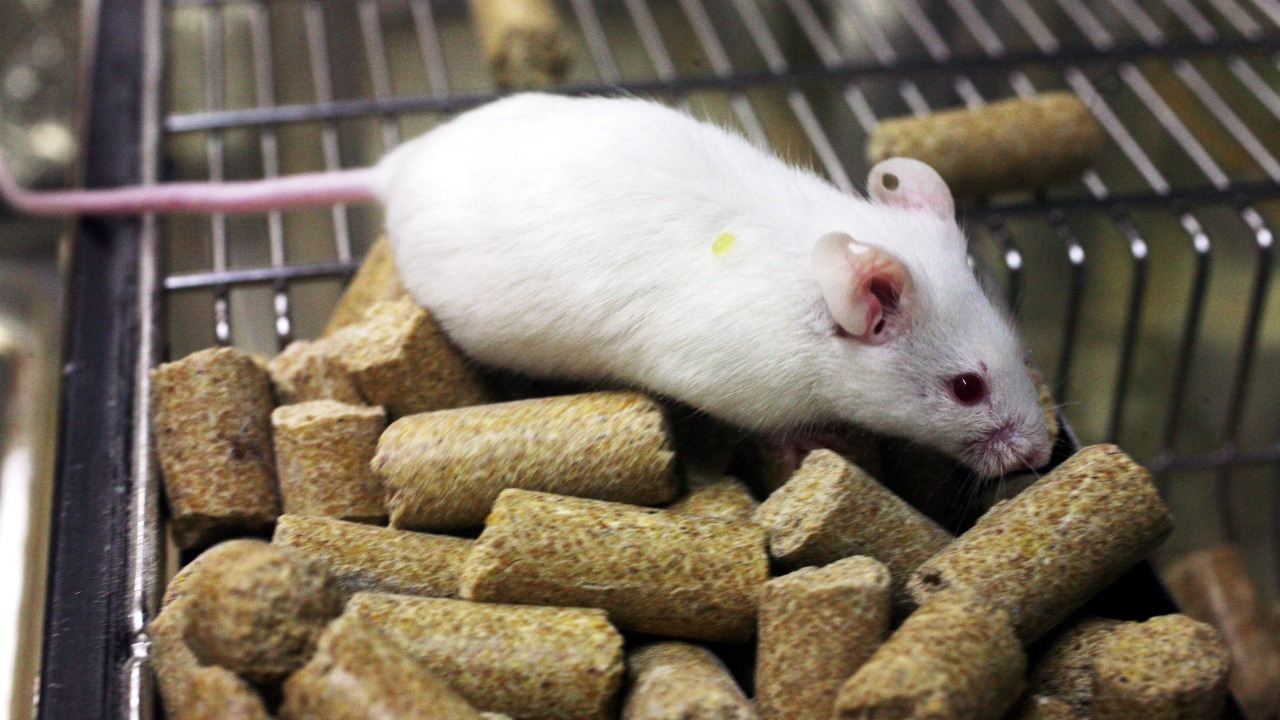

Researchers have identified a single protein whose absence can cripple tumors in mice, slowing their growth and in some cases pushing cancer cells to self-destruct. The work, centered on a molecule called FSP1, hints at a new way to treat some of the hardest-to-tackle malignancies by turning the biology of cell death back against cancer.
Instead of relying only on chemotherapy or radiation to batter tumors from the outside, scientists are learning how to disarm the internal survival systems that keep malignant cells alive. By blocking one protein that normally shields cells from a form of iron-driven destruction, they have shown in animal models that tumors can shrink and become more vulnerable to other therapies, opening a promising target for future drugs.
Why one protein suddenly looks so important
The protein drawing so much attention is FSP1, a molecule that helps cells resist a type of death known as ferroptosis, which is triggered when iron and unstable lipids build up to toxic levels. In healthy tissue, that brake on ferroptosis can be protective, but in cancer, FSP1 becomes part of the machinery that lets malignant cells survive stress, resist treatment, and keep dividing when they should die. When researchers removed or blocked FSP1 in mouse models of lung tumors, they saw cancers grow more slowly and show signs of increased cell death compared with controls.
One of the clearest demonstrations came from work in which scientists used genetic tools and experimental compounds to interfere with FSP1 in lung adenocarcinoma, a common form of lung cancer. In those experiments, tumors in mice that lacked functional FSP1 were smaller and less aggressive, suggesting that a single protein can act as a gatekeeper between survival and destruction for cancer cells, a finding that was highlighted in reporting on how blocking one protein slows cancer growth.
How blocking FSP1 pushes tumors toward self-destruction
What makes FSP1 so compelling as a target is not just that tumors grow more slowly without it, but that cancer cells appear to be pushed into a lethal cascade they cannot escape. FSP1 normally acts as a safeguard against ferroptosis by helping detoxify reactive molecules that would otherwise rip apart cell membranes. When that safeguard is removed, iron-driven chemistry takes over, lipids in the cell membrane are oxidized, and the cell’s outer shell becomes unstable, leading to a form of death that is distinct from the more familiar apoptosis.
In a study that focused on lung tumors in mice, researchers showed that blocking FSP1 dramatically weakens lung tumors by tipping this balance. Cancer cells that had been adept at dodging other forms of cell death suddenly became vulnerable once ferroptosis was unleashed, and the tumors that formed were smaller and less robust. That shift from survival to self-destruction is what makes FSP1 inhibition look less like a subtle tweak and more like pulling a critical pin from the tumor’s internal wiring.
Ferroptosis, explained without the jargon
Ferroptosis can sound like obscure biochemistry, but the basic idea is straightforward: it is a way for cells to die when iron-driven reactions spiral out of control. Iron helps generate reactive molecules that attack the fats in cell membranes, and if those attacks are not neutralized, the membrane loses its integrity and the cell collapses. Unlike apoptosis, which is a tidy, programmed process, ferroptosis is messy and heavily dependent on the balance between iron, lipids, and the antioxidant systems that keep them in check.
Researchers have been mapping out how reactive molecules drive ferroptosis, and FSP1 has emerged as one of the proteins known to prevent ferroptosis by counteracting those reactive species. When FSP1 is active, it helps cancer cells ride out oxidative stress that would otherwise be lethal. When it is switched off, the same chemistry that tumors exploit to grow quickly becomes a liability, turning their metabolic speed into a vulnerability that can be targeted.
What mouse experiments actually showed
In practical terms, the mouse experiments that put FSP1 on the map involved both genetic manipulation and drug-like molecules. Scientists engineered mice so that their lung tumor cells lacked FSP1, then compared tumor growth with animals whose cancers still expressed the protein. The FSP1-deficient tumors grew at a slower rate, and tissue analysis revealed more dead cancer cells, consistent with ferroptosis being unleashed inside the tumor mass rather than suppressed.
To move closer to a real therapy, the same teams tested an experimental inhibitor called icFSP1 in mice with lung adenocarcinoma. According to reporting on that work, these mice developed smaller tumours due to increased cancer cell death, and the researchers noted that FSP1 is highly expressed in human LUAD patients, unlike GPX4, another ferroptosis regulator. That combination of genetic and pharmacologic evidence strengthens the case that FSP1 is not just a bystander but a driver of tumor resilience.
From “undruggable” proteins to realistic targets
For years, many of the proteins that matter most in cancer biology were written off as “undruggable” because their shapes or locations in the cell made them hard to hit with conventional small molecules. The recent FSP1 work is part of a broader shift in which chemists and structural biologists are finding ways to latch onto these elusive targets. By designing compounds that fit into shallow pockets or disrupt protein interactions rather than classic enzyme sites, they are turning once-theoretical targets into practical ones.
That shift is visible in leukemia research, where a UCLA team discovers how to target ‘undruggable’ protein that fuels aggressive leukemia using a small molecule that interferes with its function. That study showed that careful mapping of protein surfaces and interactions can reveal unexpected footholds for drugs, a lesson that applies directly to FSP1. If chemists can find similarly exploitable features on FSP1, the protein’s central role in ferroptosis resistance makes it an attractive candidate for the next generation of targeted therapies.
Designing smarter weapons: small molecules and radiotheranostics
Turning a protein like FSP1 into a drug target is not just about finding any compound that binds to it, but about designing molecules that are potent, selective, and safe enough for patients. One approach that has gained traction is high-throughput screening of chemical libraries, followed by iterative refinement of the most promising hits. In that context, researchers searching for new agents against hard-to-treat cancers identified a compound labeled I3IN-002, and from that search, the second compound identified, I3IN-002, emerged as a lead compound, showing potent activity at low concentrations and acting as a highly specific therapeutic candidate, a detail highlighted in coverage of small molecule discovery. That kind of pipeline is exactly what FSP1 inhibitors like icFSP1 will need to follow to move from mouse experiments into clinical testing.
Alongside small molecules, some teams are building radiotheranostic strategies that combine imaging and therapy in a single package. In one example, scientists at UCLA created a radiotheranostic approach designed to combat aggressive cancers by attaching radioactive payloads to molecules that home in on tumor-specific targets. While that particular work did not focus on FSP1, the concept is relevant: if FSP1 or related ferroptosis regulators can be tagged in a similar way, clinicians could both visualize where resistant cancer cells are hiding and deliver a focused dose of radiation or another toxic agent to the same spot.
What this could mean for patients with lung cancer
Lung adenocarcinoma remains one of the deadliest cancers, in part because it is often diagnosed late and in part because tumors quickly adapt to targeted drugs and immunotherapies. The FSP1 findings suggest a new angle of attack: instead of chasing each new mutation that emerges under treatment pressure, clinicians might be able to undermine a core survival pathway that many tumor cells rely on. If FSP1 inhibition can reliably trigger ferroptosis in human lung tumors the way it does in mice, it could be combined with existing treatments to deepen responses and delay or prevent relapse.
There are hints that this strategy could extend beyond the lungs. Reporting on how a protein involved with cell death can be manipulated to slow or reverse tumor growth in mouse models of lymph node and lung cancer underscores that ferroptosis and related pathways are not confined to a single organ. If FSP1 or similar proteins play comparable roles in other malignancies, the same basic principle, forcing cancer cells to self-destruct by removing their ferroptosis shield, could become a template for a broader class of therapies.
The cautious path from mouse models to human trials
For all the excitement around a single protein that can slow cancer in mice, the gap between animal data and human benefit is still wide. Mouse tumors, even when engineered to mimic human disease, do not capture the full complexity of a patient’s cancer, which evolves over years in the context of a human immune system and microenvironment. Doses of FSP1 inhibitors that are safe in mice may not translate directly to people, and the role of ferroptosis in healthy tissues is not yet fully understood, raising the possibility of unintended damage if the pathway is pushed too hard.
That is why many researchers are already thinking about combination strategies and careful patient selection rather than FSP1 inhibition as a stand-alone cure. Some envision pairing FSP1 blockers with immunotherapies that rely on better equipping the body’s own immune system to recognize and attack tumors, a strategy that has been emphasized in coverage of one of the ways scientists are trying to improve cancer treatments. Others are exploring whether ferroptosis can be nudged in a more targeted way, for instance by focusing on tumors with particularly high FSP1 expression or specific metabolic signatures that make them especially dependent on this protein for survival.
More from MorningOverview